





How Many Cupcakes or Cake Servings You Need for a Birthday Party
There is a specific type of panic that only a party host knows. Did you calculate the correct number of cake servings for the event? It hits you forty-five minutes into the celebration. You’re holding a knife, staring at the remaining third of a sheet cake, doing rapid mental math while ten hungry guests are still waiting in line.
On the flip side, nobody wants to force leftover cupcakes on departing guests because they bought four dozen for twelve people.
The vague advice of “plan for one slice per person” is useless. A linebacker-sized teenager eats differently than your grandmother. A backyard barbecue inspires different appetites than a formal dinner.
This guide gives you the actual formulas professional caterers use—adjusted for guest demographics, party timing, and competing desserts. You’ll walk away with a specific number and understand exactly why it’s right for your party.
You need a plan. You need real numbers.
Most guides offer vague advice like “plan for one slice per person.” If you have ever hosted a group of teenagers or a toddler birthday party, you know that rule is functionally useless. A linebacker-sized teen eats differently than your grandmother. A casual backyard barbecue inspires different consumption habits than a formal seated dinner.
If you have read the hub post, Birthday Cakes and Cupcakes: The Complete Celebration Guide, you already understand the basics of choosing flavors and general styles. You know the difference between buttercream and fondant. Now, we are moving past the basics. We are going to tackle the math.
I am going to walk you through the actual calculation methods professional caterers and event planners use. We will move beyond guessing and look at the variables that actually matter. I will show you how to adjust your numbers based on who is coming, what time they are eating, and what else is on the menu.
Whether you are baking from scratch and need to know how many batches to mix, or you are standing at the bakery counter trying to answer the question “how many cake servings do you need?”, this guide gives you the answer. You will walk away with a specific number. More importantly, you will understand exactly why that number is right for your specific party.
Understanding Serving Sizes — The Foundation of All Calculations
Before you can calculate totals, you have to define the unit. This seems simple, but it is the single most common source of error in party planning. What a professional baker calls a serving and what you actually put on a plate are rarely the same thing. If you use industry charts without adjusting for reality, you will run out of cake.
Industry Standard Serving Sizes for Cakes
The disconnect starts with the “wedding slice” versus the “party slice.” If you look at a serving chart from a bakery or a culinary textbook, they are almost always referencing wedding sizing.
According to Wilton’s official cake serving guide, party serving amounts are based on slices measuring about 1½ x 2 inches, while wedding servings are smaller at approximately 1 x 2 inches—a distinction that dramatically affects how many people your cake will actually feed.
A standard industry wedding serving is small. It measures about 1 inch wide, 2 inches deep, and 4 inches high. It is a finger of cake. This makes sense after a five-course meal when guests are in formal attire. It does not make sense at a superhero-themed birthday party where the cake is the main event.
In a home party setting, you are likely cutting pieces that are closer to 2 inches by 2 inches. That effectively cuts the stated yield of a round cake in half. If a bakery tells you an 8-inch round cake yields 24 servings, they are technically correct based on wedding math. However, if you cut that same cake for your child’s birthday, you will likely only get 12 to 14 slices out of it.
You must ask your bakery which chart they are using. If they quote you based on wedding sizes, you need to double your order for a casual party. If you are baking at home, assume your heavy hand will yield fewer cake servings than the recipe suggests. Always calculate based on the volume of cake your guests effectively eat, not the theoretical maximum number of slices you can surgically extract from a circle.
Standard Cupcake Serving Assumptions
Cupcakes seem easier because the portioning is pre-determined. However, the question of how many cupcakes to order is just as nuanced. The “one cupcake per person” rule is a fast track to an empty display stand.
First, consider the size.
- Mini Cupcakes: These are bite-sized. They are essentially a single mouthful. For minis, you cannot plan for one per person. You need to plan for three to four per guest. They are easy to pop in your mouth, and people lose count.
- Standard Cupcakes: This is the size you bake in a standard muffin tin. For a general crowd, one is rarely enough, but two is often too many. The golden multiplier here is 1.5 per person. This accounts for the guests with a sweet tooth without massive overage.
- Jumbo Cupcakes: These are the massive, bakery-style treats that are practically meals in themselves. For jumbos, one per person is sufficient. In fact, you might even find guests splitting them.
You also have to account for the “waste factor.” If you are hosting children, cupcakes will get dropped. Frosting will get licked off, and the cake bottom will be discarded. A fresh cupcake will be demanded immediately after. You are not just planning for consumption; you are planning for casualties.
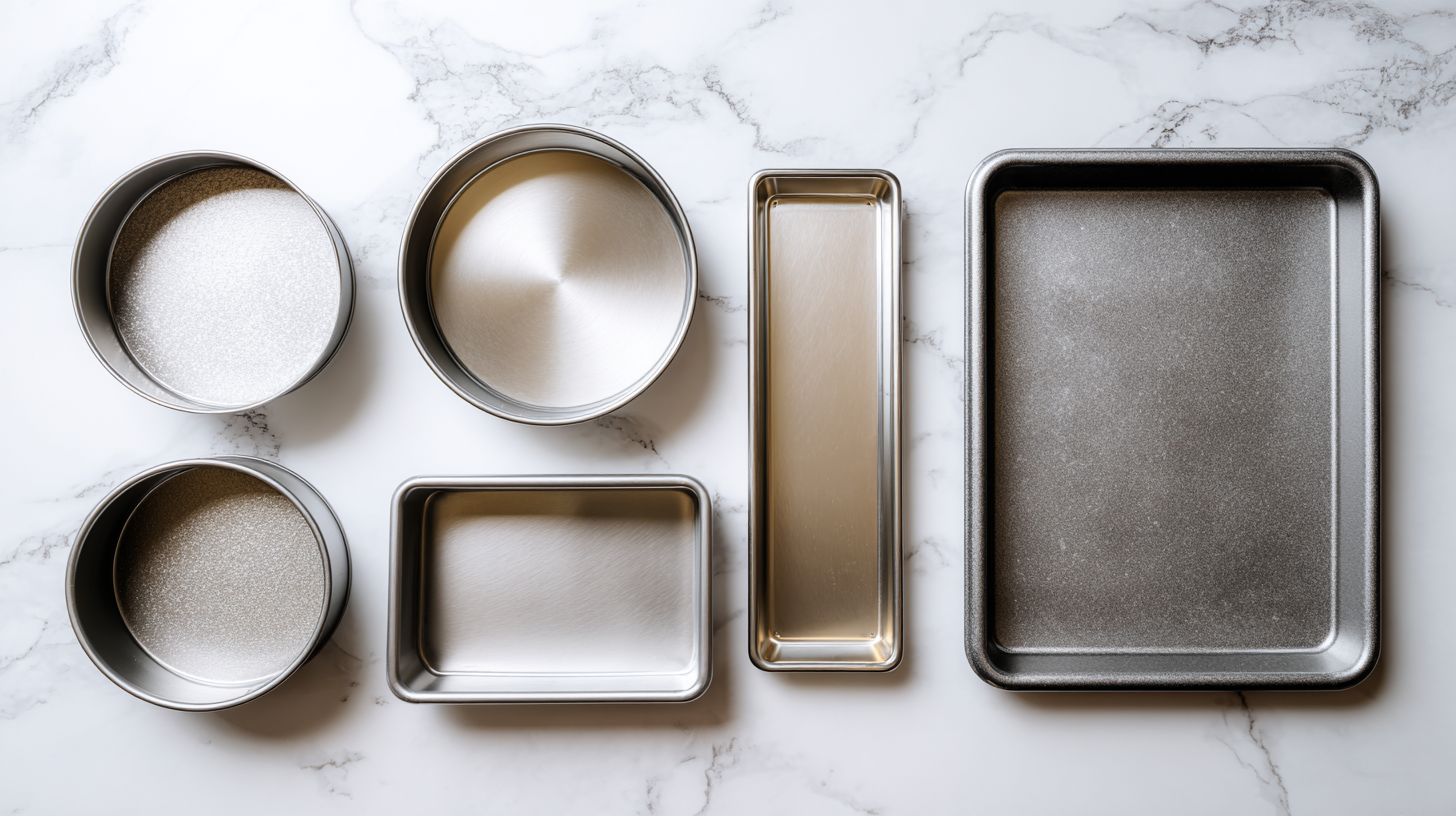
Cake Shape and Size Serving Guides
Different shapes yield different amounts of cake, even if the total batter volume is similar. Cutting patterns matter.
Round Cakes:
- 6-inch round: This is a “smash cake” or a tiny supplement. In reality, it feeds 4 to 6 people comfortably.
- 8-inch round: The standard home size. Expect 10 to 14 party slices.
- 10-inch round: A significant jump in volume. This feeds 20 to 25 party guests comfortably.
- 12-inch round: This is a large cake. It can yield 35 to 40 party servings, but cutting it requires a grid pattern, not just wedges, to keep slices manageable.
Sheet Cakes:
- Quarter Sheet (9×13 inch): The home baker’s standard. Feeds 18 to 24 people depending on grid size.
- Half Sheet (11×15 or 12×18 inch): The standard grocery store “birthday cake.” This feeds 35 to 48 people.
- Full Sheet (18×24 inch): Usually requires a commercial oven. Feeds 70 to 90 people.
Tiered Cakes: Do not simply add up the diameters. You calculate the volume of each tier independently and sum them up. However, remember that the top tier is often saved (traditionally), or it is much harder to cut while stacked. If you are serving from a tiered cake, ensure you have a plan for disassembling it to get the maximum number of cake servings.
When Your Cupcake Display Needs More Than Your Guests Will Eat
There is a variable that math cannot strictly solve: aesthetics. Sometimes, the answer to how many cupcakes you need depends on what your display looks like, not how hungry your guests are.
If you have a beautiful three-tier wire cupcake stand that holds thirty-six cupcakes, but you only invited eighteen people, you have a dilemma. If you only bake twenty-four cupcakes (calculating 1.5 per person), your stand looks empty and sad. It looks like the party is already over before it began.
In this case, your “display quantity” overrides your “consumption quantity.” You bake the thirty-six to fill the stand because the visual abundance is part of the decor. You accept that you will have leftovers.
Conversely, if you have a massive guest list but a small dessert table, you need to think about replenishment. You don’t need to fit 100 cupcakes on the table at once. You can display 40 and keep the rest in bakery boxes under the table, refilling as they disappear. This keeps the display looking fresh and prevents frosting from melting under warm lights.
Guest Demographic Analysis — Who’s Actually Eating?
A guest is not just a number. A forty-year-old fitness instructor counts as “one guest” just as much as a fourteen-year-old boy, but their impact on your cake supply is radically different. To get an accurate number, you need to look at the faces behind the RSVP count.
Age Demographics and Consumption Patterns
Age is the single biggest predictor of sugar intake. When I plan quantities, I mentally tag every guest into an age bracket.
Toddlers and Preschoolers (Ages 1-4): You might think they love cake. They do love the idea of cake and they love the frosting but they rarely eat a full slice. However, they are messy. A parent will often take a slice for the child, the child will mangle it, and the parent will eventually throw 80% of it away. You still have to count them as a full serving because the slice gets taken, even if it doesn’t get fully eaten.
- Multiplier: 1.0 serving per child (high waste, low consumption).
Elementary School (Ages 5-10): This is the peak consumption zone. These kids have high metabolisms and zero guilt. They will eat the cake, lick the plate, and ask for seconds. If you have a party of eight-year-olds, do not skimp.
- Multiplier: 1.5 to 2.0 servings per child.
Teenagers (Ages 11-17): This group is variable. Boys in this age group are essentially disposal units; they will eat three cupcakes without blinking. Girls can be more socially conscious or image-aware, sometimes eating less in public settings. However, late-night teenage hunger is real. If the party goes late, consumption spikes.
- Multiplier: 1.5 servings per guest (average).
Adults (Ages 18-60): Adults are polite. They often wait to be served. Many will split a piece with a partner to “be good.” Consumption here is generally steady but moderate.
- Multiplier: 1.0 serving per guest.
Seniors (60+): Older guests often prefer smaller portions. Heavy, sugary buttercream can be overwhelming. They appreciate a half-slice or a mini cupcake.
- Multiplier: 0.75 serving per guest.
Mixed-Age Party Calculations
Rarely is a party just one demographic. A first birthday party is a classic example: a handful of babies and a room full of adults. A sweet sixteen might be mostly teens with a few family members.
Do not just pick one multiplier. Do a weighted calculation.
Let’s look at a First Birthday Party with 30 guests:
- 5 Toddlers (Multiplier 1.0) = 5 servings
- 25 Adults (Multiplier 1.0) = 25 servings
- Total: 30 servings.
Now, compare that to a 10th Birthday Party with 30 guests:
- 20 Kids (Multiplier 1.5) = 30 servings
- 10 Parents (Multiplier 1.0) = 10 servings
- Total: 40 servings.
Same guest count, but you need 33% more cake for the 10th birthday. If you plan based solely on headcount, you will overshoot the first party and run out at the second.
Also, consider the “Parent Tax.” At children’s parties where parents stay, parents often eat out of boredom or social obligation. If the cake looks good (and you followed the advice in Cakes vs. Cupcakes for Birthday Parties: Cost, Logistics, and Guest Experience Compared), the parents will absolutely partake. Never assume the adults at a kid’s party are just chaperones; they are active consumers.
Dietary Restrictions and Their Impact on Calculations
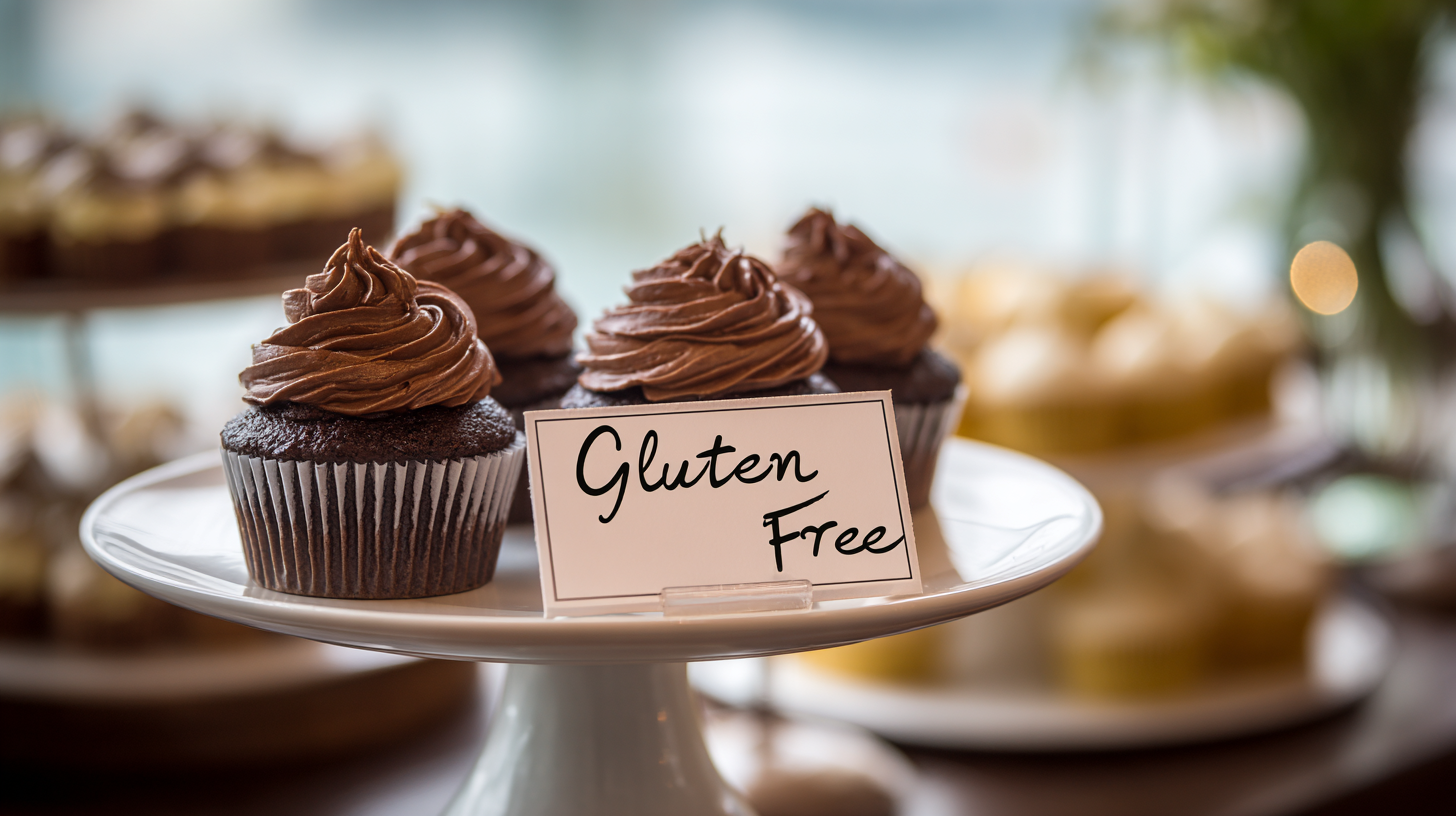
In modern hosting, you are virtually guaranteed to have guests who are Gluten-Free, Dairy-Free, or Vegan.
These guests do not vanish from your count. They just move to a different column. If you have 30 guests and 4 are gluten-free, you don’t need 30 regular cake servings plus 4 GF servings. You need 26 regular and 4 GF.
However, I always recommend a buffer for the dietary options. Why? Because sometimes the “regular” eaters see a delicious flourless chocolate torte meant for the GF guest and decide they want that instead.
If you are ordering specific cupcakes for restricted diets, keep them separate. Label them clearly. And always order at least one or two extra beyond the confirmed headcount. It is devastating for the one allergic child to drop their only safe cupcake on the ground and have no backup.
The “People Who Won’t Eat Cake” Factor
There is a subset of guests at every event who simply will not eat dessert. They might be diabetic, strictly keto, or they just don’t have a sweet tooth.
At a children’s party, this number is near zero. Everyone wants sugar. At a casual adult gathering, this might be 10% of your list. At a formal event or a wedding, this can be as high as 15-20%.
For a standard birthday party, I typically apply a 10% “refusal rate” deduction only if I am really tight on budget or space. Generally, it is safer to ignore this factor and let the extra cake be a breakfast treat for you the next day. However, if you are ordering a massive sheet cake for 100 people, you can safely assume only about 85-90 of them will actually take a slice.
How Party Time, Menu & Formality Affect Cake Consumption
The environment of the party dictates appetite just as much as biology does. You have to look at the clock and the menu to refine your numbers.
Time of Day and Meal Context
When are you serving this cake?
Post-Dinner Dessert: If you just fed people a heavy lasagna meal, they are full. They want a bite of something sweet, but they are not looking to fill up.
- Adjustment: Decrease total serving volume by 10-15%. Small slices are key here.
Mid-Afternoon (The “Cake and Punch” Time): If the party is at 2:00 PM or 3:00 PM, guests have not eaten lunch recently and it is too early for dinner. They are hungry. The cake is the main food event.
- Adjustment: Increase calculation by 15-20%. People will eat a full slice and look for seconds.
Morning/Brunch: Cake at 10:00 AM is a toss-up. Some people love breakfast dessert; others find heavy frosting unappealing that early.
- Adjustment: Keep standard baseline, but consider lighter options (angel food, fruit fillings) which tend to increase consumption.
Late Night: If you are cutting the cake at 10:00 PM after hours of dancing or socializing, the “drunk munchies” or general energy expenditure kicks in.
- Adjustment: Increase by 10%.
Other Desserts and Food Competition
Cake rarely stands alone anymore. Dessert tables with cookies, candy bars, and chocolate fountains are popular.
If you are offering a full dessert buffet alongside the cake, cake consumption drops dramatically. People want to try a little bit of everything. They might take a mini cupcake, a macaron, and a cookie. They will not eat a jumbo cupcake AND a full slice of cake AND a brownie.
- Rule of Thumb: For every competing dessert item (like a cookie tray or ice cream station), reduce your cake servings expectation by about 10-15%.
- The Ice Cream Factor: If you serve cake with ice cream, people are happier with a smaller piece of cake. The ice cream fills the volume on the plate. You can get away with slightly thinner slices if there is a scoop of vanilla next to it.

Party Duration and Serving Timing
The length of the party matters.
The “Drop-In” (2 hours or less): People come, eat, and leave. There is usually only one “cake window.” You serve it, they eat it, the party ends. Consumption is predictable.
The Marathon (4+ hours): If people are hanging out all afternoon, grazing behavior takes over. Someone might eat a cupcake at 1:00 PM. By 3:30 PM, they are looking at the table again. Long parties require a “seconds” buffer. If the cake sits out for four hours, it will get picked at.
Timing the Cut: If you serve cake early, you open the door for seconds. If you serve cake as the very last thing before guests leave (the “cut and run” strategy), consumption is lower because people are gathering their coats while eating.
Formality and Social Dynamics
Social pressure exerts a weird force on appetite.
Formal Events: At a sit-down affair or a party with a high degree of formality, guests are on their best behavior. They are less likely to grab a second cupcake. They are less likely to pile a plate high. Waste is lower, but total consumption is also lower.
Casual/Backyard Events: At a BBQ or a park party, inhibitions are lower. It is easy to grab a cupcake while walking past the table. It feels acceptable to have another one ten minutes later.
- Adjustment: For highly casual events, add a 10% buffer for “grazing.”
Also, consider the “Host Lead.” If you, the host, are eating and enjoying the cake, your guests will follow yet if you are frantically running around and not eating, guests often hesitate to dig in. If you want the cake eaten, make sure you are seen eating it.
The Cake Serving Formula Professional Caterers Use
Now that we have discussed the variables, let’s put it into a formula. This is the logic flow I use for every event I plan.
The Base Formula Professional Planners Use
We start with a base calculation and then apply multipliers.
Step 1: The Base Count Total Headcount = Base Servings.
Step 2: The Demographic Multiplier Apply the age-based adjustments we discussed in Section 2.
- Mostly Adults: x 1.0
- Mostly Kids: x 1.5
- Mixed: Calculate groups separately and add.
Step 3: The Context Multiplier Apply the environmental factors from Section 3.
- Mid-afternoon party? x 1.2
- Lots of other desserts? x 0.8
- Serving huge slices? x 1.0 (but reduce yield expectations)
Step 4: The Safety Buffer Always add a safety margin.
- Standard Buffer: +10%
Example Calculation: You are hosting a child’s 7th birthday party.
- Guests: 15 kids, 10 adults.
- Time: 2:00 PM (Prime snacking time).
- Format: Casual, park setting.
Calculation:
- Kids: 15 guests x 1.5 (Demographic) = 22.5 servings.
- Adults: 10 guests x 1.0 (Demographic) = 10 servings.
- Subtotal: 32.5 servings.
- Time Adjustment: The party is mid-afternoon, so people are hungry. Let’s multiply by 1.1.
- 32.5 x 1.1 = 35.75 servings.
- Round Up: You need roughly 36 servings.
Translation to Order:
- Cupcakes: 3 dozen (36) is perfect.
- Cake: A half-sheet cake (serves 35-40) is ideal. A single 10-inch round (serves 20-25) would be too small; you would need two rounds.
See how different that is from just saying “25 guests = 25 servings”? If you had ordered 25 cupcakes, you would have run out in the first twenty minutes.
Professional Overbooking and Under booking Tolerances
In the professional world, running out is a disaster. Having leftovers is just “breakfast.”
Professionals typically build in a 20% overage for corporate events or weddings because they cannot risk a client complaint. For your home party, the stakes are lower. You do not need a 20% margin unless you really love leftovers.
A 5% to 10% buffer is the “Sweet Spot” for home hosting. It covers the cupcake that falls in the grass or the unexpected sibling who shows up.
The “Budget/Risk” Trade-off: If you are on a strict budget, you can tighten these numbers. You can calculate exactly 1.0 per person. But you have to accept the risk. You might have to hold back slices until everyone has been served. You might not have seconds available. If saving money is the priority, that is a valid choice—just know that you are trading security for savings.
However, if your priority is a stress-free host experience, stick to the multipliers. The peace of mind of knowing you have how many cupcakes you actually need—with a few to spare—is worth the extra twenty dollars.
For more on managing the logistics of large quantities, specifically regarding cupcakes, check out Cupcakes for Birthday Parties: Planning, Scaling, and Presentation.
Cake and Cupcake Quantities by Party Size: Quick Reference Guide
You don’t always want to do the math from scratch. Sometimes, you just want someone to tell you what to buy.
I have broken down the most common party sizes below. These recommendations assume a standard “Happy Birthday” gathering—a mix of conversation, some snacks or a meal, and a dessert focus. I have built in a moderate buffer because running to the store in the middle of a party is not my idea of fun.
Small Gatherings (10-15 Guests)
Small parties are deceiving. You might think you need less buffer, but the opposite is true. If you are short by two slices in a group of ten, twenty percent of your guests go without dessert. That is noticeable.
Also, small groups tend to be intimate—family and close friends. These people are comfortable in your kitchen. They are more likely to ask for a second slice or linger for hours, which drives up consumption.
Cake Recommendations:
- Round Cake: A single 10-inch round is your safest bet. It yields roughly 20 party-sized slices. A standard 8-inch round (yielding 12-14) cuts it too close unless you are extremely precise with your knife.
- Sheet Cake: A quarter sheet cake is perfect here. It provides about 18-24 servings, giving you comfortable leftovers.
Cupcake Recommendations:
- Standard Cupcakes: Order 24 (two dozen).
- The Logic: This gives you roughly 1.5 to 2 per person. In a small setting, leftovers are easy to send home with Grandma or save for your own breakfast.
Medium Parties (20-30 Guests)
This is the classic birthday party size. It usually involves a mix of demographics—school friends, parents, siblings, and neighbors.
At this size, anonymity starts to creep in slightly. Guests won’t police their own consumption as strictly as they might at a dinner party, but you still have enough control to monitor the table.
Cake Recommendations:
- Round Cakes: You need volume here. A single 12-inch round works (35-40 servings), but two 8-inch cakes offer better visual variety and flavor options.
- Tiered Cake: A two-tier cake (8-inch bottom, 6-inch top) is often too small for this group if you cut generous slices. You would want a 10-inch bottom with an 8 or 6-inch top to be safe.
- Sheet Cake: A half-sheet cake is the hero of this category. It serves 35-48 people, meaning everyone gets a piece and you aren’t sweating the slicing geometry.
Cupcake Recommendations:
- Standard Cupcakes: Order 48 (four dozen).
- The Logic: This aligns with the 1.5 to 1.75 multiplier. It fills a standard cupcake stand beautifully and ensures that if a few teenagers grab three each, you don’t run out.
Large Parties (40-60 Guests)
When you hit forty guests, logistics change. Cutting a round cake for sixty people takes a long time. By the time the last person gets their slice, the first person is finished.
Speed of service matters here.
Cake Recommendations:
- Sheet Cakes: This is where I strongly advocate for the “kitchen cake” method. Display a small, cute round cake for blowing out candles, but serve from a pre-cut half-sheet or full sheet kept in the kitchen.
- Multiple Cakes: If you want rounds on display, you need three 10-inch cakes to feel secure. That takes up a lot of table space.
Cupcake Recommendations:
- Standard Cupcakes: Order 72 to 84 (6-7 dozen).
- The Logic: Per-person consumption often drops slightly in large crowds because there are more distractions. However, you need a massive display to make an impact. 72 cupcakes allows for 1.2 to 1.5 per person, which is safe for this volume.
Very Large Events (75+ Guests)
At this scale, you are essentially running a small catering operation. Do not rely on a single relative to cut the cake.
For events this size, consumption patterns shift again. People are often standing. They might be busy talking and miss the “cake cutting” announcement entirely. Consequently, your per-person consumption might drop to 1.0 or even 0.8 if alcohol and heavy appetizers are served.
Cake Recommendations:
- Full Sheet Cake: A full sheet serves 70-90 people efficiently. It is the industrial workhorse of large parties.
- Cupcake Tower: If you go with cupcakes, you need a tower that can hold at least 60, with the rest in boxes for replenishment.
Professional Tip: If you are ordering for 100 people, ask your bakery about “event cuts.” They can score the cake for you, ensuring you actually get the 100 cake servings you paid for rather than losing yield to messy slicing.
How Many Cupcakes You Need: Complete Planning Guide
Cupcakes are easier to serve than cake, but harder to calculate. Because they are individual units, people view them differently than a slice of cake. A slice requires a plate and a fork. A cupcake is a grab-and-go commitment.
The Standard Cupcake Formula with Built-In Buffer
If you skipped the math in the previous section, here is the shortcut.
The Formula: (Guest Count) x (1.5) = Total Cupcakes.
Then, round up to the nearest dozen.
Example: You have 22 guests. 22 x 1.5 = 33 cupcakes. Round up to 3 dozen (36 cupcakes).
This formula works because it accounts for the dad who eats two, the toddler who drops one, and the aunt who splits one. It is robust enough for almost any standard birthday scenario.
Mini Cupcake Math
Mini cupcakes are dangerous. They look like zero calories. They look like “just a taste.” Because of this, people do not eat one. They eat three. Or four.
If you serve standard cupcakes, a guest makes one decision: “Do I want a cupcake?” If you serve minis, the decision is repeated: “Do I want another one? They’re so small.”
The Multiplier: Plan for 3 to 4 mini cupcakes per person.
If you have 20 guests, do not order 20 minis. That is a single appetizer tray. You need 60 to 80 minis.
Display Warning: 24 standard cupcakes fill a table. 24 mini cupcakes look like you forgot to buy dessert. To make a visual impact with minis, you need volume. You need a tiered stand packed tight. If you are baking yourself, remember that one standard muffin tin yields about 3 mini muffin tins (roughly 36 minis per standard batter batch).
Jumbo Cupcake Considerations
Jumbo cupcakes are the size of a softball. They are impressive, often filled, and piled high with frosting.
The Multiplier: Plan for 1.0 per person.
Do not use the 1.5 rule here. Most people physically cannot finish two jumbo cupcakes. In fact, you will see a lot of half-eaten jumbos left on plates, which is painful if you paid $6 or $7 per cupcake.
When to Use Them: Use jumbos for small, seated dinner parties or as a party favor packaged in individual boxes. Avoid them for toddler parties (way too much sugar and waste) or large open houses where people are walking around.
Multiple Flavors and Variety Planning
I love offering flavor choices. It elevates the guest experience. However, offering four flavors for twenty guests creates a math problem.
If you have chocolate, vanilla, red velvet, and lemon, guests will not choose evenly. Chocolate and vanilla usually dominate.
The 60/40 Rule: Make 60% of your order “Crowd Pleasers” (Chocolate/Vanilla/Confetti). Make 40% of your order “Specialty” (Lemon/Red Velvet/Salted Caramel).
If you order equal amounts of everything, you will run out of chocolate in ten minutes and be left with two dozen lemon cupcakes that nobody touches.
Also, realize that variety increases consumption. If I see chocolate and strawberry, I might pick one. Yet if I see four incredible looking flavors, I might take a chocolate now and “save” a lemon for later. If you offer high variety, bump your multiplier from 1.5 up to 1.75.
See Cupcakes for Birthday Parties: Planning, Scaling, and Presentation for more on managing flavor logistics.
How Much Cake You Need: Size Selection Guide
Ordering a cake involves deciphering bakery language. “This feeds twenty” is a vague statement. Here is what those sizes actually mean for your party.
Round Cake Sizing by Guest Count
Round cakes are measured by diameter. Standard tiers are usually 4 to 6 inches tall.
- 6-Inch Round:
- Event Yield: 10-12 servings.
- Real Party Yield: 6-8 generous slices.
- Best For: Smash cakes, intimate dinners, or as the “topper” on a cupcake tower.
- 8-Inch Round:
- Event Yield: 20-24 servings.
- Real Party Yield: 12-14 generous slices.
- Best For: Small family parties. Do not rely on this for a class party of 20 kids.
- 10-Inch Round:
- Event Yield: 30-38 servings.
- Real Party Yield: 20-25 generous slices.
- Best For: The standard home birthday party. It feels substantial and feeds a crowd.
- 12-Inch Round:
- Event Yield: 45-56 servings.
- Real Party Yield: 35-40 generous slices.
- Best For: Large gatherings. Warning: These are heavy and harder to handle. Make sure you have a platter big enough (at least 14 inches) to support it.
Sheet Cake Sizing by Guest Count
Sheet cakes are all about efficiency. They are easy to cut, easy to transport, and generally cheaper per serving than rounds.
- Quarter Sheet (9×13):
- Yield: 18-24 servings cut in a grid (3×6 or 4×6).
- Best For: Small to medium casual parties. If you bake from a box mix at home using a standard rectangular pan, you are making a quarter sheet.
- Half Sheet (11×15 or 12×18):
- Yield: 36-48 servings (usually cut 6×8).
- Best For: Most class parties, office parties, or medium-sized birthdays. This is the standard Costco or grocery bakery size.
- Full Sheet (18×24):
- Yield: 64-96 servings.
- Best For: Corporate events or huge milestones. Note: Most home fridges cannot fit a full sheet cake. Measure your refrigerator shelves before ordering this for a home party.
Tiered Cake Planning
Tiered cakes are just individual round cakes stacked up. To find your cake servings, you calculate the volume of each tier and add them together.
Common Combinations:
- 6-inch + 8-inch: Feeds about 30-35 people (Real Party Yield).
- 8-inch + 10-inch: Feeds about 50-60 people (Real Party Yield).
- 6-inch + 8-inch + 10-inch: Feeds about 75-80 people (Real Party Yield).
The Top Tier Trap: Traditionally, people save the top tier. If you plan to do this, do not count those servings. If you have an 8+6 inch cake but you save the 6-inch tier, you only have an 8-inch cake to serve your guests. That drops your capacity from 35 down to 14. Be very clear with yourself about whether that top tier is for eating or keeping.
Specialty Shapes and Format Considerations
My nephew once wanted a T-Rex cake. Not a drawing of a T-Rex on a round cake, but a cake shaped like a standing dinosaur.
Sculpted cakes are the hardest to estimate. A cake that looks huge might be 40% Rice Krispie treats or structural PVC pipe.
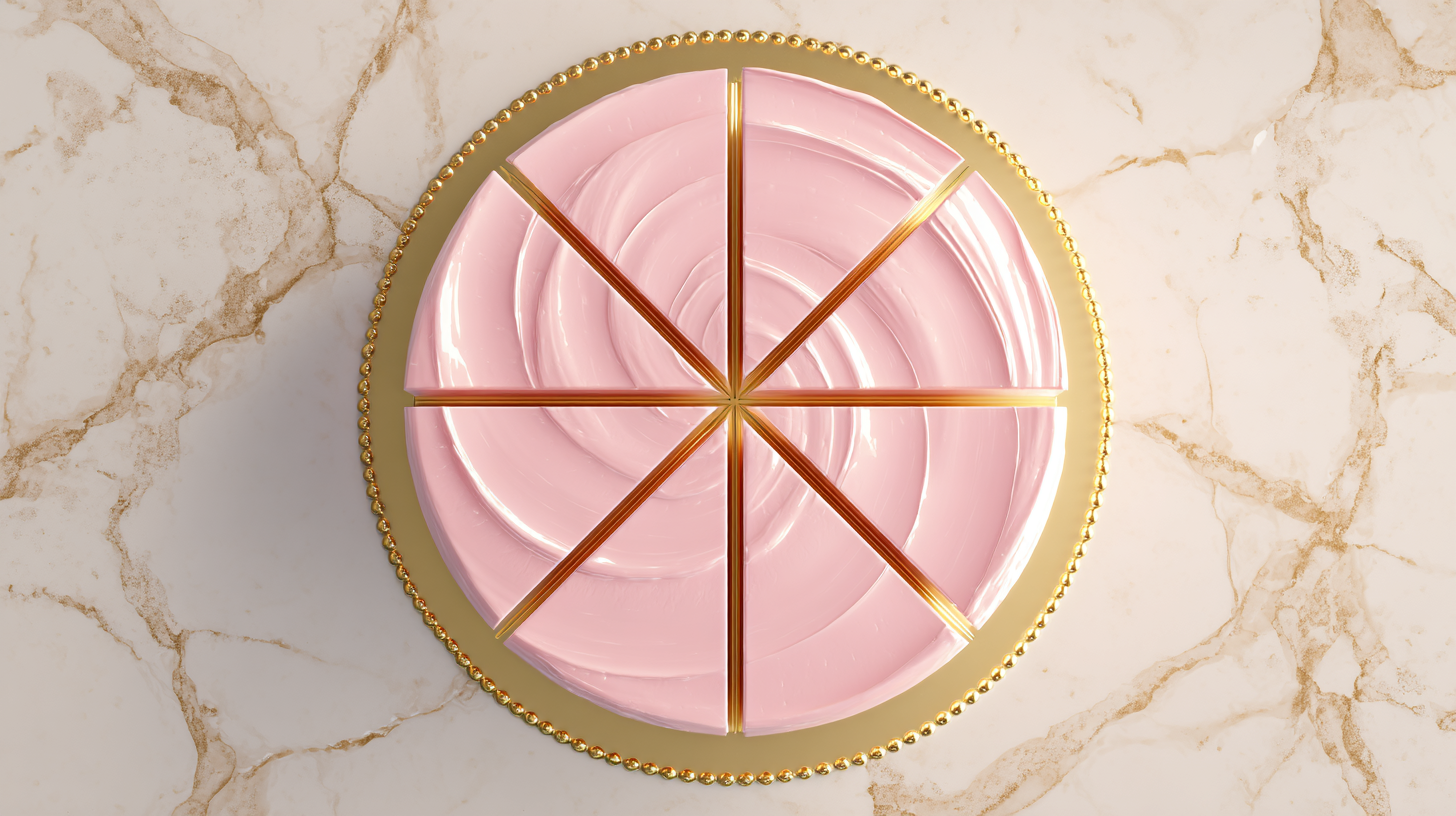
The Rule for Shapes: Always ask the baker: “How many actual plated servings does this yield?” Do not judge by eye. A long snake cake might yield fewer slices than a compact square block because the tail is essentially frosting and air.
If you are making a shaped cake at home using a specialized pan (like a character face), look at the batter capacity. If the pan takes one box of mix, it yields the same as a quarter sheet (18-24 servings), regardless of how big it looks on the counter.
Planning Cake Quantities When You Don’t Know Exact Guest Count
The RSVP deadline has passed. You have 15 “Yes,” 5 “No,” and 10 people who have ghosted you. This is the modern hosting reality. How do you order cake servings for a ghost?
The RSVP Reality
You have to profile your “Maybe” list.
- The Flakes: Friends who rarely show up? Count them as 0.
- The Families: If a family of 5 is a “maybe,” that is a huge swing in cake demand. Count them as 2 or 3 to hedge your bets.
- The Surprise Plus-Ones: For casual parties, assume 10% of guests might bring a sibling or a partner you didn’t know about.
If you have to order before you know the count, aim for the 80% mark of your total invite list. It is rare for 100% of invitees to attend unless it is a very small, intimate dinner.
Building Smart Buffer for Uncertainty
The level of buffer you need depends on the scale of uncertainty.
- High Uncertainty (Open House/No RSVP): Plan for 1.2 servings per expected guest. You need a wider safety net.
- Low Uncertainty (Seated Dinner): Plan for 1.05 servings. You know who is coming, so the buffer is just for “big eaters” or accidents.
The Golden Rule of Uncertainty: It is cheaper to buy an extra $15 cake than to deal with the stress of wondering if you have enough. If you are losing sleep over the count, buy the extra dozen cupcakes. The peace of mind is worth the price.
Backup Plans When You Don’t Know Your Final Guest Count
Smart planners do not just rely on one big number. They have a backup plan.
The “Freezer Stash”: If I am baking, I often make an extra dozen cupcakes and freeze them unfrosted. If everyone shows up, I pull them out and frost them quickly. If nobody shows up, I keep them frozen for next month.
The Store-Bought Supplement: If you are worried about running out but don’t want to pay custom bakery prices for “just in case” cake, buy a high-quality box of cookies or frozen macarons. Keep them in the kitchen. If the cake vanishes too fast, bring out the cookie platter. Guests will think you are just a generous host, not that you ran out of cake.
Last-Minute Adjustment Options
It is the day of the party. You ordered cake for 20. 30 people showed up. Don’t panic.
Adjust the Slices: Cut the pieces thinner. Use the “caterer’s cut” (rectangular slices from a round cake) rather than wedges. You can easily stretch a cake by 20% just by changing your cutting geometry.
Supplement with Ice Cream: This is the oldest trick in the book. A huge scoop of vanilla ice cream makes a sliver of cake look like a feast. If you are short on cake, increase the ice cream ratio.
What to Do with Leftover Birthday Cake and Cupcakes
Okay, you followed the “safe” advice and now you have 15 cupcakes left over. This is not a problem; this is an opportunity.
Planning for Intentional Leftovers
Some of us want leftovers. In my house, birthday cake for breakfast the next day is a non-negotiable tradition.
According to USDA food safety guidelines, leftovers—including cake—can be safely kept in the refrigerator for 3 to 4 days. If you want your cake to last longer than that weekend breakfast tradition, freezing is your best option.
If you want leftovers, treat your family as “extra guests” in the calculation. If there are four of you and you want cake for two days after the party, add 8 servings to your total order. Do not just hope for leftovers; plan for them.
Repurposing Unexpected Excess
If you have half a sheet cake left, do not throw it away.
- Freeze It: Cake freezes very well—the USDA’s FoodKeeper app, developed with Cornell University and the Food Marketing Institute, confirms frozen cake maintains quality for 2-4 months when properly wrapped. Slice it into individual portions, wrap them tightly in plastic wrap, then foil. Put them in a freezer bag. You now have instant dessert for the next three months.
- Cake Pops/Truffles: Take that stale cake, crumble it into a bowl, mix it with a little leftover frosting, and roll it into balls. Dip in chocolate. You just turned “old cake” into “fancy truffles.”
- Trifle: Cube the cake and layer it with pudding and whipped cream. It hides dry edges perfectly.
For detailed storage times on different baked goods, the FoodSafety.gov cold storage chart provides official guidelines you can reference anytime.
Send-Home Strategies
The best way to handle leftovers is to make them disappear before the guests leave.
I always keep a stack of cheap, disposable takeout containers or bakery boxes (you can buy packs online) ready. As people are putting on their coats, I say, “Please take some cake for later!”
If you put the cake in a box for them, they will take it. If you just point at the cake plate and say “take some,” they usually won’t. You have to remove the friction. This is especially true for how many cupcakes you have left—cupcakes travel easily and guests are usually delighted to have a midnight snack for later.
Conclusion
We have covered a lot of math, but ultimately, planning cake servings comes down to balancing two fears: the fear of running out and the fear of waste.
Professionally, I can tell you that running out is the greater evil. It stops the party energy cold. But for a home party, you have flexibility. You have ice cream & cookies to share and you have the ability to cut thinner slices to help ensure that there is enough cake to go around.
Use the charts in this guide as your baseline. Then, trust your gut. You know if your friends are dessert lovers or if they are “I’m watching my sugar” types. You know if your family considers a birthday incomplete without leftovers.
Take the base numbers, apply the multipliers for kids or adults, and then add that little buffer for your own peace of mind. When the moment comes to sing “Happy Birthday,” you shouldn’t be counting heads and doing division. You should be singing.
For more on the broader picture of party desserts, check out Birthday Cakes and Cupcakes: The Complete Celebration Guide. And if you are still debating between formats, look at Cakes vs. Cupcakes for Birthday Parties: Cost, Logistics, and Guest Experience Compared.
Explore More: Dive into our DIY guides if you plan to bake these quantities yourself! Join the Conversation: Did your last party run out of cake? Or were you eating leftovers for a week? Tell me your “cake math” stories in the comments below. Priey Membership: Grab our printable “Party Quantity Cheat Sheet” and shopping lists by joining the Priey community today.
Happy planning, and may your slice always be generous!
Frequently Asked Questions About Birthday Cake Quantities
How many cupcakes do I need for a kids’ birthday party with 20 children?
Start with the base of 20 children. For kids, use a multiplier of 1.5 because of high activity and “waste” (dropped cupcakes). That brings you to 30. Add a small buffer for parents or siblings who stay. I would recommend ordering 36 cupcakes (3 dozen). This ensures every child gets one, seconds are available, and you aren’t stressed about a dropped dessert. If you are doing mini cupcakes, triple that number to about 70-80 minis.
What size cake feeds 30 people?
For 30 guests, you have a few good options. A half-sheet cake is the most reliable choice, yielding 35-48 servings comfortably. If you prefer a round cake, a single 12-inch round works, but it is heavy and hard to cut. A better round option is a two-tier cake (10-inch bottom, 6-inch top) or simply two separate 8-inch cakes. This ensures you have plenty of cake servings without having to slice paper-thin wedges.
Is it better to have too much cake or risk running out?
This depends on the event. For a milestone event (Wedding, 50th Anniversary, Sweet 16), always err on the side of excess. Running out at a formal event is a major faux pas. For a casual backyard BBQ, risking a slight shortage to save money is acceptable because you can supplement with other treats. However, a buffer of 10-15% is generally the “sweet spot” where you are safe from shortage but won’t be throwing away massive amounts of food.
How do I calculate cake for a party with both adults and children?
Use a weighted calculation. Count the children and multiply by 1.5. Count the adults and multiply by 1.0. Add those two numbers together. For example, 10 kids (15 servings) + 20 adults (20 servings) = 35 total servings needed. Keep in mind that at child-focused parties, adults often eat less cake than at adult-focused dinner parties, so you can be slightly more conservative with the adult portion of the math.
Can I freeze leftover birthday cake?
Absolutely. Cake freezes very well. For best results, chill the leftover cake in the fridge until the frosting is hard, then wrap individual slices or sections tightly in plastic wrap, followed by a layer of heavy-duty foil. It will stay fresh for up to 3 months. To eat, thaw it in the refrigerator overnight or on the counter for a few hours. Note that buttercream freezes beautifully, but delicate whipped cream or meringue-based toppings may not hold up as well.
As the FDA notes, food that is properly handled and stored in the freezer at 0°F will remain safe indefinitely—though quality decreases over time. For cake, aim to use frozen slices within 2-3 months for the best taste and texture.
How many cupcakes should I make if I don’t know exactly how many guests are coming?
Uncertainty requires a larger buffer. Estimate the maximum number of people you invited who might show up. Calculate how many cupcakes you would need for that max number, then subtract about 10-15%. Cupcakes are forgiving—if you have extras, they are easy to give away as party favors. If you run short, they are easy to cut in half (especially jumbos) or supplement with store-bought cookies. Having a “Maybe” list of 10 people warrants having an extra dozen cupcakes on hand just in case.





Leave a comment
You must be logged in to post a comment.