




Birthday Cake Traditions From Around the World: A Cultural Guide
Birthday cake feels universal. You picture candles, a song, a wish, and a slice of something sweet. It seems like a standard script we all follow. But that script changes the moment you cross a border or step into a multicultural household.
The Mexican child getting their face playfully pushed into the frosting experiences a completely different ritual than the German child finding their Geburtstagskuchen waiting on the breakfast table at sunrise. The Chinese elder receiving a bowl of long noodles instead of a slice of cake participates in birthday cake traditions stretching back centuries, focusing on symbolism over sugar. The Australian child receiving fairy bread—white bread with butter and sprinkles—alongside their cake encounters a tradition virtually unknown elsewhere.
Why does this matter? Because we live in a deeply interconnected world. You might marry into a family with customs different from your own. You might host a party for your child’s class, which includes students from five different cultural backgrounds. Or perhaps you are simply attending a celebration and want to avoid an awkward faux pas.
Understanding these differences prevents those quiet moments of confusion. It empowers you to be a better host and a more gracious guest. The host who knows to ask, “Does your family do La Mordida?” shows a level of cultural awareness that makes guests feel truly seen. The guest who understands why Korean celebrations feature seaweed soup participates more meaningfully in the joy.
I wrote this guide for anyone who wants to understand birthday traditions around the world beyond superficial trivia. This isn’t just about what people eat; it’s about how they connect.
This pillar post expands significantly on the basics covered in Birthday Cakes and Cupcakes: The Complete Celebration Guide. While that guide touches on the essentials of baking and decorating, here I will take you on a deep dive into specific traditions from Latin America, Europe, Asia, Africa, and the Middle East. You will find history, meaning, and practical guidance for navigating multicultural celebrations with grace.
Let’s explore how the world celebrates another trip around the sun.
Birthday Cake Traditions in Latin America: From La Mordida to Quinceañera
Latin American celebrations are legendary for their warmth, family focus, and often, their duration. Food plays a central role, but the birthday cake traditions here go far beyond just eating dessert. They involve rituals of passage, playful affection, and specific flavors that define the celebration.
Mexican Birthday Traditions and La Mordida
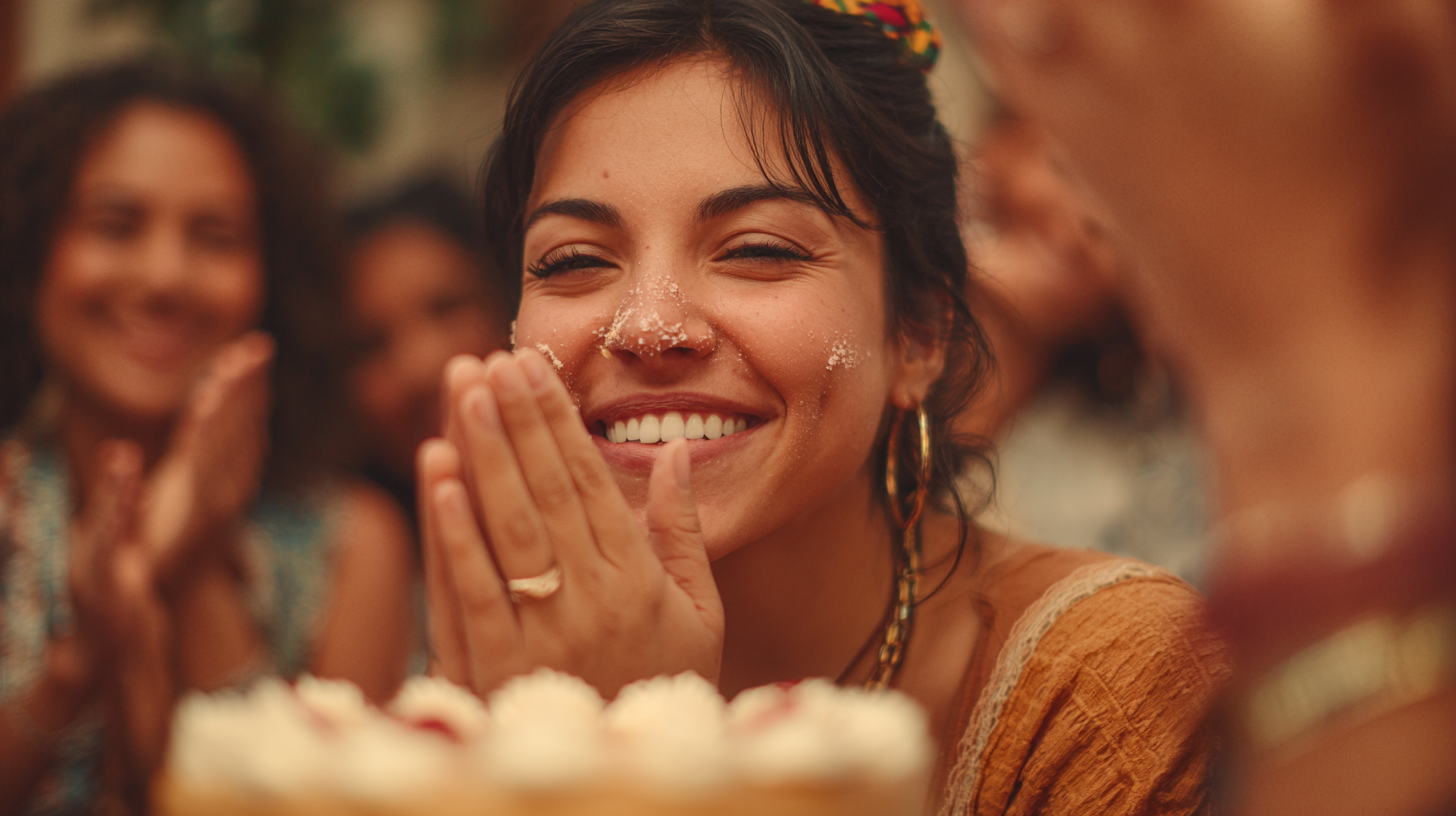
If you have ever attended a Mexican birthday party, you may have witnessed a moment of sudden chaos surrounding the cake. This is La Mordida.
“La Mordida” translates to “the bite.” The tradition dictates that the birthday person must take the first bite of the cake directly from the whole cake—no hands, no fork. As they lean in, guests chant “Mordida! Mordida!” Someone, usually a close friend or family member standing behind them, then playfully pushes their face into the cake.
I want to be clear about the spirit behind this: it is playful chaos, not bullying. It represents affectionate teasing and a moment of levity that bonds the group. It bursts the bubble of formality. However, navigating it requires reading the room.
How to know if La Mordida is coming:
- The Chant: If you hear “Mordida! Mordida!” starting low and getting louder, it’s happening.
- The Hover: Watch the hands of siblings or cousins. If they are hovering near the birthday person’s head, they are ready to strike.
- The Position: The cake is often positioned suspiciously close to the edge of the table.
How to participate gracefully: If you are a guest, laugh along. Do not look horrified. Understand this is love expressed through frosting-to-face contact. If you are the host of a multicultural party, ask the family beforehand if they want to include this.
If you are the birthday person and want to avoid it, you must be proactive. Say “no mordida” clearly and early. Position yourself away from the cake until the cutting knife is in your hand. Or, have a trusted ally stand behind you to “protect” your head. But usually, surrendering to the moment is part of the fun.
Another beautiful custom is Las Mañanitas. This is the traditional morning birthday song, often sung before—or instead of—”Happy Birthday.” In many households, the birthday person wakes up to family singing this at their bedside, sometimes as early as dawn. The cake moment may come later in the day, but the celebration starts at first light.
Quinceañera Cake Traditions
The Quinceañera is not just a birthday party; it is a rite of passage celebrating a girl’s fifteenth birthday and her transition to womanhood. The cake ceremony here carries profound significance and rivals weddings in complexity.
The cake itself is typically elaborate. While pink remains traditional, modern celebrations embrace varied colors to match the dress or theme. These are often multi-tiered architectural feats.
The ceremony elements often include:
- The Toast (Brindis): Specific family members speak. This is formal and emotional.
- The Last Doll (La Última Muñeca): A doll is often placed on or near the cake table, or gifted during the ceremony. It represents the childhood she is leaving behind.
- The Cutting: Who stands beside the Quinceañera during the cutting matters. It is usually the parents, reinforcing the family unit supporting her transition.
For guests unfamiliar with the tradition: expect formality during the cake ceremony. This isn’t a “grab a slice and run” moment. Follow the lead of the older family members. Understand the emotional weight of the moment—parents are acknowledging their little girl is growing up.
Regional Variations Across Latin America
While Mexico offers prominent examples, birthday traditions around the world show us that Latin America is not a monolith.
Tres Leches cake holds special status across the region. This sponge cake, soaked in three kinds of milk (evaporated, condensed, and heavy cream), signals celebration. The richness means it’s not an everyday dessert; the sweetness marks the special occasion. You will see this from Mexico down through Central America.
In Brazil, the cake often shares the spotlight with Brigadeiros. These are rich chocolate fudge truffles made from condensed milk and cocoa powder, rolled in sprinkles. A party without Brigadeiros hardly feels like a birthday in Brazil. Another treat, bem-casados (happily married cookies), may appear, though they are more common at weddings. Brazilian cakes often feature tropical flavors like passion fruit, coconut, and guava, offering a lighter, brighter profile than dense chocolate cakes.
Argentine and Chilean traditions emphasize the singing moment with enthusiasm. The “Happy Birthday” song (Que los cumplas feliz) might be sung multiple times or in different tempos. In Colombia, celebrations can stretch across entire days. The cake might appear at a family lunch and again at a party with friends in the evening.
Practical Guidance for Multicultural Celebrations
If you are hosting:
- Ask the family. A simple “Are there specific traditions you want to include?” goes a long way.
- Don’t assume. Just because a family is from Latin America doesn’t mean they do La Mordida.
- Provide context. If you have guests unfamiliar with these customs, a quick explanation helps. “In Maria’s family tradition, we do a cake smash, so get your cameras ready!”
If you are attending:
- Follow the lead. If everyone stands for a toast, stand. If everyone sings a song you don’t know, hum along and clap.
- Participate. Enthusiasm matters more than perfection.
- Respect the norm. Avoid making the traditions seem exotic or strange. To the family, these are just normal birthday celebrations.
Birthday Cake Traditions Across Europe: Country by Country
European traditions offer a fascinating look at how history shapes celebration. From the specific superstitions of the UK to the morning rituals of Germany, the continent is diverse.
German Birthday Traditions
German Geburtstagskuchen customs deserve detailed attention because they differ significantly from American or British norms.
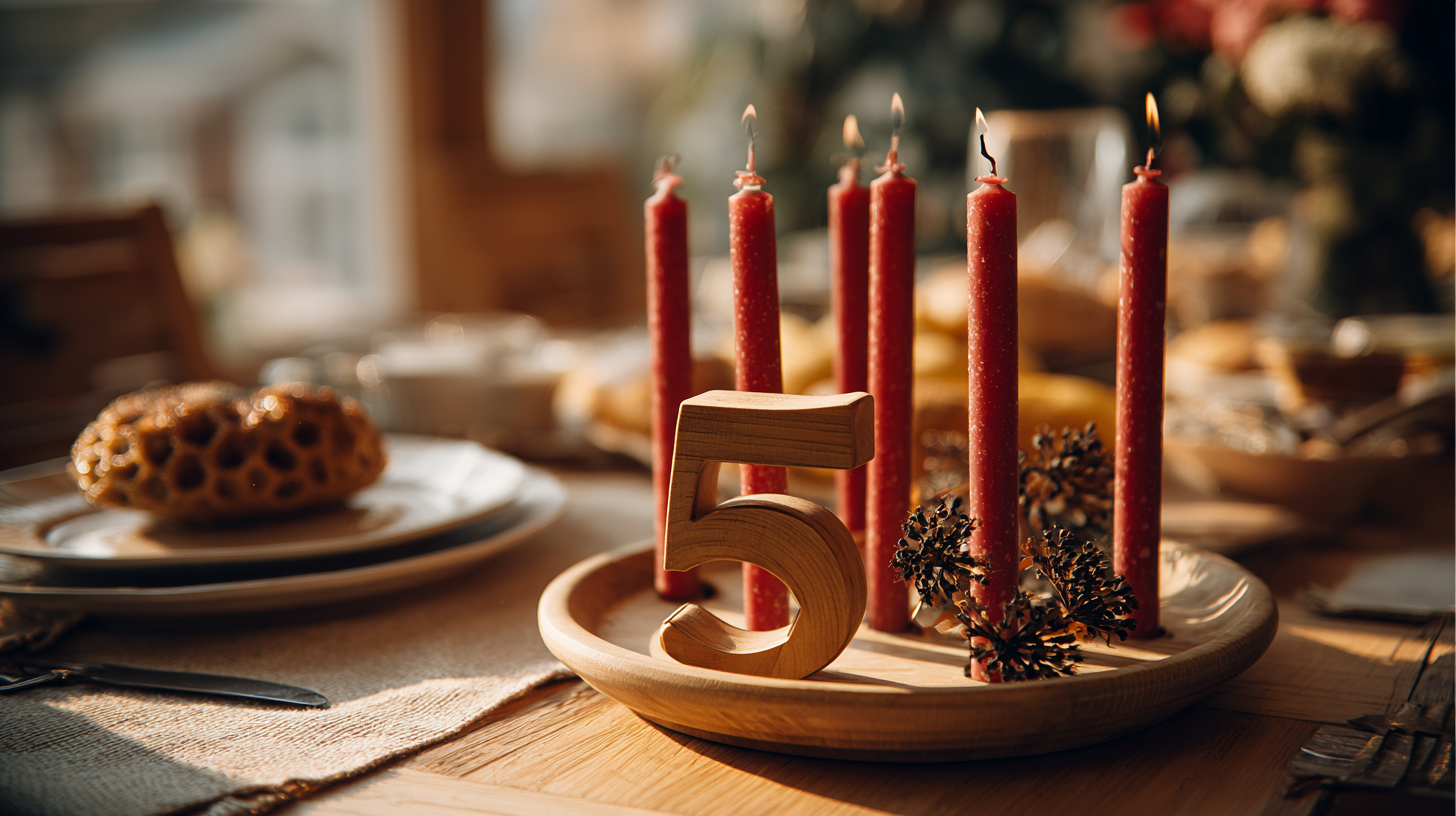
The “birthday table” (Geburtstagsgabentisch) is a lovely tradition. The birthday person wakes to find a decorated table with cake, candles, and gifts waiting for them. The key element is the Lebenslicht (light of life)—a large candle representing the person’s life, often placed in the center of the cake or a wooden ring. This candle is lit in the morning and burns all day. It is only blown out at the end of the day or during the family meal.
There is a cultural expectation regarding the cake itself: homemade is best. In traditional German families, a homemade cake signals effort and love. A bakery cake, while accepted, may land differently. Common choices include Schwarzwälder Kirschtorte (Black Forest cake), Frankfurter Kranz, or simple butter cakes with seasonal fruit.
The “Bring Your Own” Rule: This is the one that trips up many expats. In Germany, the birthday person is expected to provide their own cake and treats for colleagues at work or classmates at school. This is the opposite of the American custom where others provide the cake for you. If you show up to your own birthday at a German office empty-handed, you might confuse your colleagues. It is your day, so you host the hospitality.
British Birthday Traditions
British customs share roots with American traditions but diverge in charming ways.
One unique physical tradition is “the bumps.” This usually happens to children. The child is held by the hands and feet by two adults and gently “bumped” on the floor—lifted and lowered—once for each year of their age, plus “one for luck.” It sounds alarming to the uninitiated, but it is done gently and playfully. Not every family does this, so knowing whether to expect it prevents awkwardness.
The Cake Profile: British birthday cakes often lean toward a Victoria Sponge—vanilla sponge with strawberry jam and buttercream or fresh cream. Rich fruit cakes, traditionally encased in marzipan and royal icing, appear for significant milestones, though this is fading in favor of softer cakes.
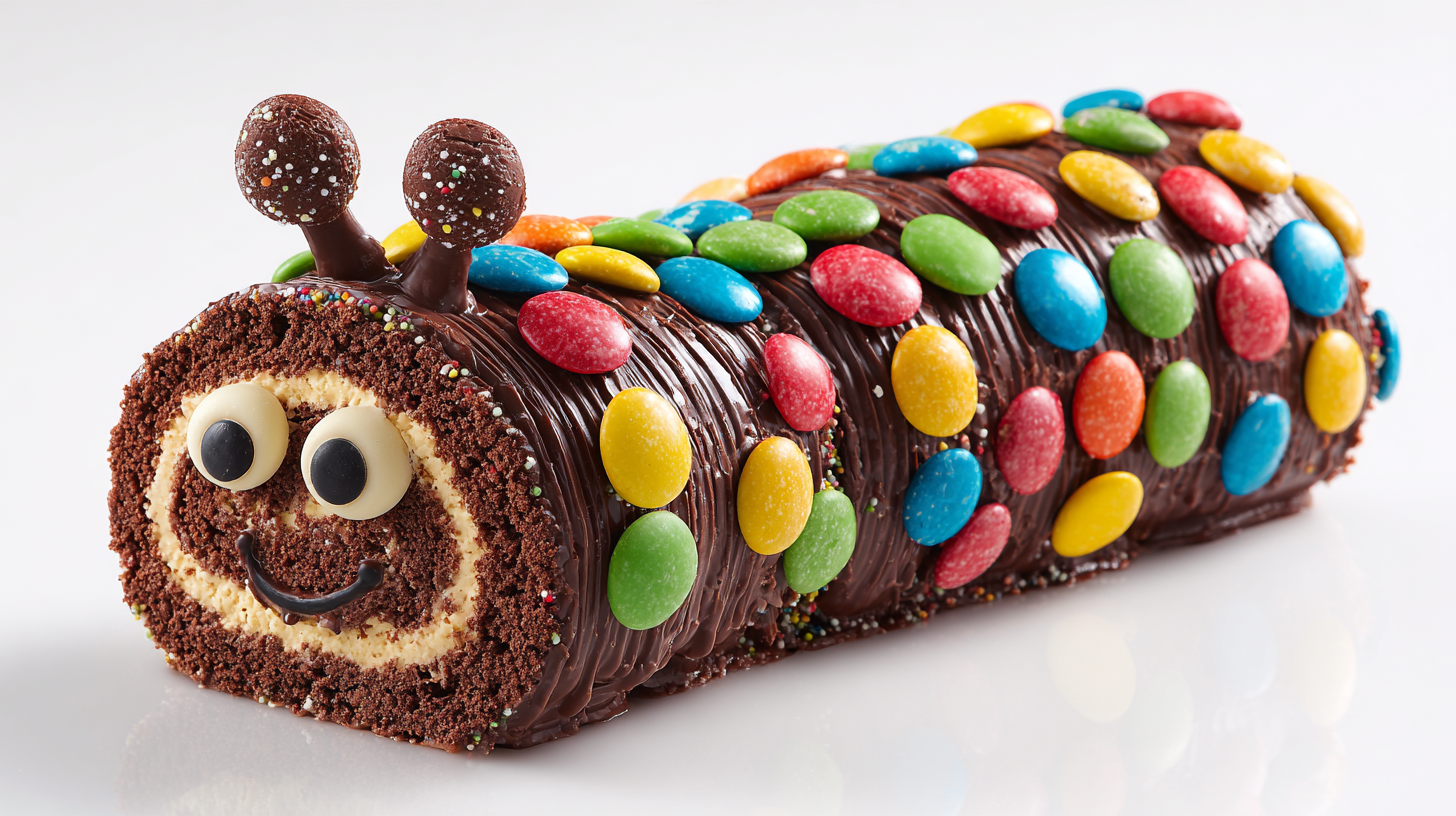
However, one icon reigns supreme: Colin the Caterpillar. This chocolate roll cake from Marks & Spencer, with a solid chocolate face, has achieved cultural phenomenon status. It appears at parties for toddlers and 30-year-olds alike. It is a nostalgic, humorous staple of British birthday traditions.
Scandinavian and Nordic Traditions
Move north, and the traditions shift again. Danish, Swedish, Norwegian, and Finnish customs share elements but maintain distinct identities.
Flags are everywhere. A Danish birthday table is not complete without the Dannebrog (Danish flag) sprinkled across the tablecloth or stuck into the cake. A Swedish table will feature the Swedish flag. To an outsider, this might look like intense nationalism. In context, it is simply the traditional symbol for “celebration.” It means “Hooray!” more than “Patriotism.”
The Cakes:
- Norway/Denmark: Look for Kransekake (wreath cake). It is a tower of concentric almond pastry rings, stacked high and decorated with icing loops. It is chewy, almond-y, and impressive.
- Sweden: The Prinsesstårta (Princess Cake) is iconic. It is a dome of sponge cake, jam, and pastry cream, blanketed in a smooth layer of green marzipan, often topped with a pink sugar rose.
- Finland: The birthday child often has the national flag flown outside their home for the day.
Scandinavians also embrace the morning celebration. Danes often have morning pastries and cake before school or work. Because summer days are so long, outdoor celebrations with simple strawberry cakes are a highlight of the season.
Southern and Eastern European Traditions
In France, the concept of a “birthday cake” differs from the sponge-and-frosting slab common in English-speaking countries. The focus is on quality and patisserie. A birthday celebration might feature a beautiful fruit tart, a Mille-feuille, or an elaborate artisanal creation. The text on the cake is less important than the flavor. For children, simple yogurt cakes (Gâteau au Yaourt) are a classic homemade staple.
Italy emphasizes the family gathering. The cake moment is the finish to a long, joyous meal. Regionality rules here. Northern Italy might favor Torta della Nonna (Grandmother’s cake) with pine nuts and custard. In Sicily, Cassata—with ricotta and candied fruit—reigns.
In Russia, Poland, and Ukraine, the Napoleon cake is king. This is a layered dessert similar to a Mille-feuille but softer and creamier. Another favorite is the Honey Cake (Medovik), which takes distinct effort to make. As in Germany, homemade is preferred. The birthday person often hosts the party, providing food and cake for guests. Toasts are a major part of the ritual. It is not just “Happy Birthday”; each guest may be expected to offer a specific, heartfelt toast to the host.
Birthday Cake Traditions in Asia: From Longevity Noodles to Ube Cake
Asian birthday traditions offer a fascinating blend of ancient symbolism and modern adaptation. In many cultures, Western-style cake is a relatively new addition that sits alongside—or comes second to—foods with deep historical meaning.
Chinese Birthday Traditions
If you attend a traditional Chinese birthday celebration, especially for an elder, do not just look for the cake. Look for the noodles.
Longevity Noodles (Chang Shou Mian): These are the centerpiece of the wish for a long life. The symbolism is literal: the longer the noodle, the longer the life.
- The Golden Rule: Never, ever cut the noodles. Do not bite through them to shorten them. Slurping the long strand into your mouth is the correct, respectful method. Chopping them is symbolically cutting life short—a major faux pas.
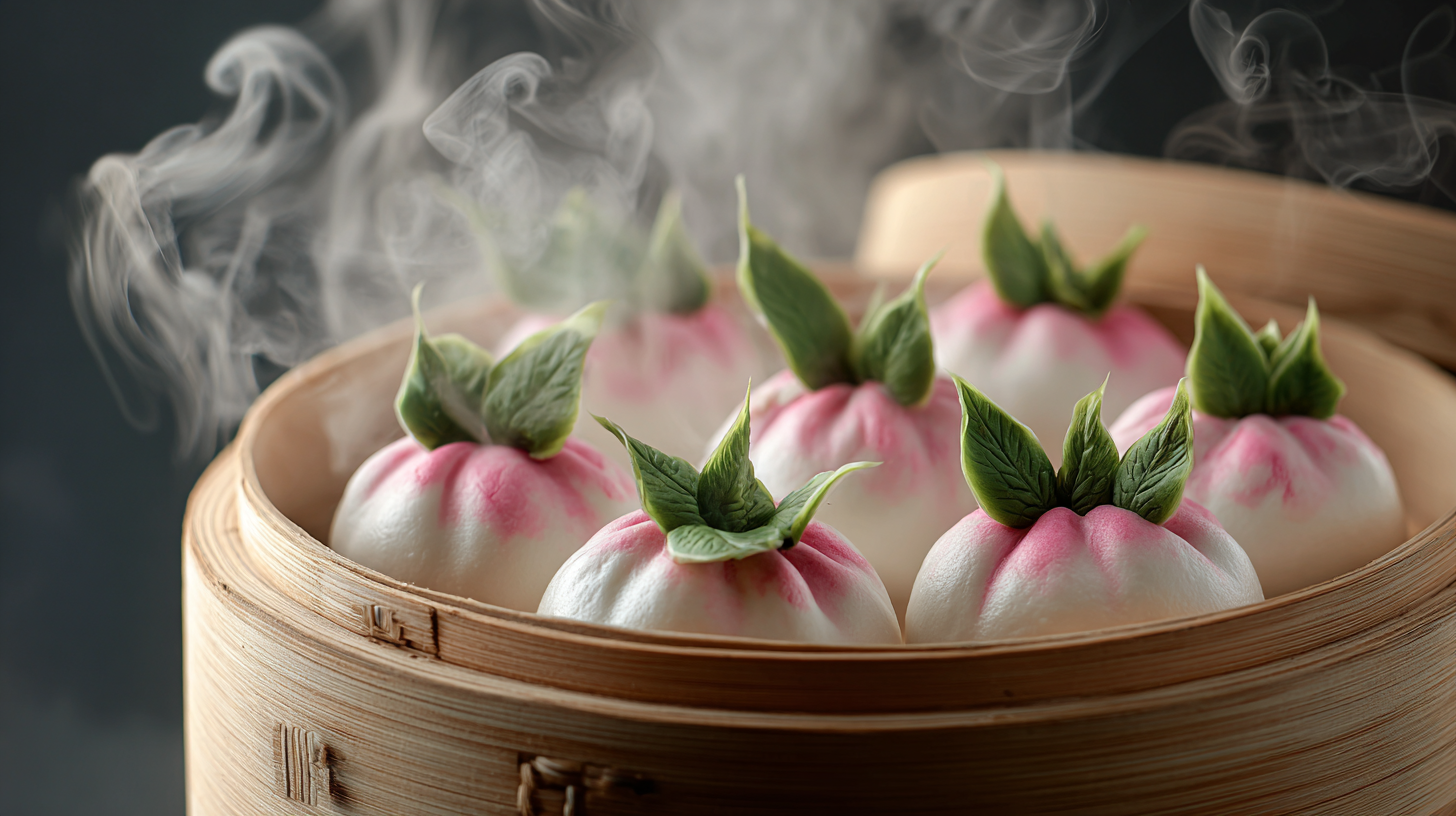
Shòu Táo (Peach Buns): Peaches symbolize immortality in Chinese mythology. For significant birthdays (like 60th, 70th, or 80th), you will often see a pyramid of pink and white steamed buns shaped like peaches. They are usually filled with sweet lotus paste or red bean paste.
Today, Western-style birthday cakes are very popular, especially for children and in urban centers. It is common to see a blending of traditions: a lunch featuring longevity noodles followed by a sponge cake decorated with fruit.
Japanese Birthday Traditions
Japanese birthday cakes have a distinct personality. They are typically lighter, less sweet, and more delicate than American versions.
The “Christmas Cake” style—a light sponge frosted with fresh whipped cream and topped with perfect strawberries—is the standard birthday cake, enjoyed year-round. It prioritizes fresh flavors and visual elegance over the heavy buttercream and fondant found elsewhere.
The Prestige of the Source: Where you buy the cake matters. A cake from a prestigious department store basement (depachika) or a renowned patisserie signals care and respect. While convenience store cakes in Japan are surprisingly high quality, bringing one to a formal party might look like a lack of effort.
Children’s parties blend Western elements like candles and singing with Japanese touches. However, adult birthdays are often more understated. Milestone ages carry the weight:
- Age 20 (Coming of Age): A major societal milestone.
- Age 60 (Kanreki): Represents a rebirth and return to the beginning of the zodiac cycle. Red is the symbolic color, and specific red clothing is traditional, though red cakes are now also common.
Korean Birthday Traditions
To understand Korean birthdays, you must understand Miyeokguk (seaweed soup).
This tradition has nothing to do with cake but everything to do with birth. Korean mothers traditionally eat nutrient-rich seaweed soup to recover after giving birth. On their birthday, a Korean person eats this same soup to honor their mother and the suffering she endured to bring them into the world. It connects the birthday person viscerally to their origin.
The Cake Landscape: Korean birthday cakes are vibrant and diverse. You will see Western-style cakes with fruit and cream, but also sweet potato cakes (very popular) and green tea cakes. Rice cakes (tteok) are also traditional and may appear alongside the Western cake.
The First Birthday (Doljanchi): This is a massive event. The Doljanchi celebrates a baby’s first year (historically significant due to infant mortality rates). The highlight is the Doljabi ceremony, where the child is placed in front of various objects (money, thread, pencil, stethoscope). The object they grab first predicts their future—wealth, long life, intelligence, or a career in medicine. If you are invited to a Doljanchi, know that this ceremony is the main event, even if there is a beautiful cake nearby.
Southeast Asian Birthday Traditions
The Philippines offers one of the most distinct birthday cake traditions in the region: the Ube cake.
Ube is a purple yam native to the Philippines. It yields a cake with a vivid, natural purple color and a gentle, nutty vanilla flavor. It is iconic. Bakeries like Goldilocks and Red Ribbon are cultural institutions; showing up with a box from them signals an authentic celebration.
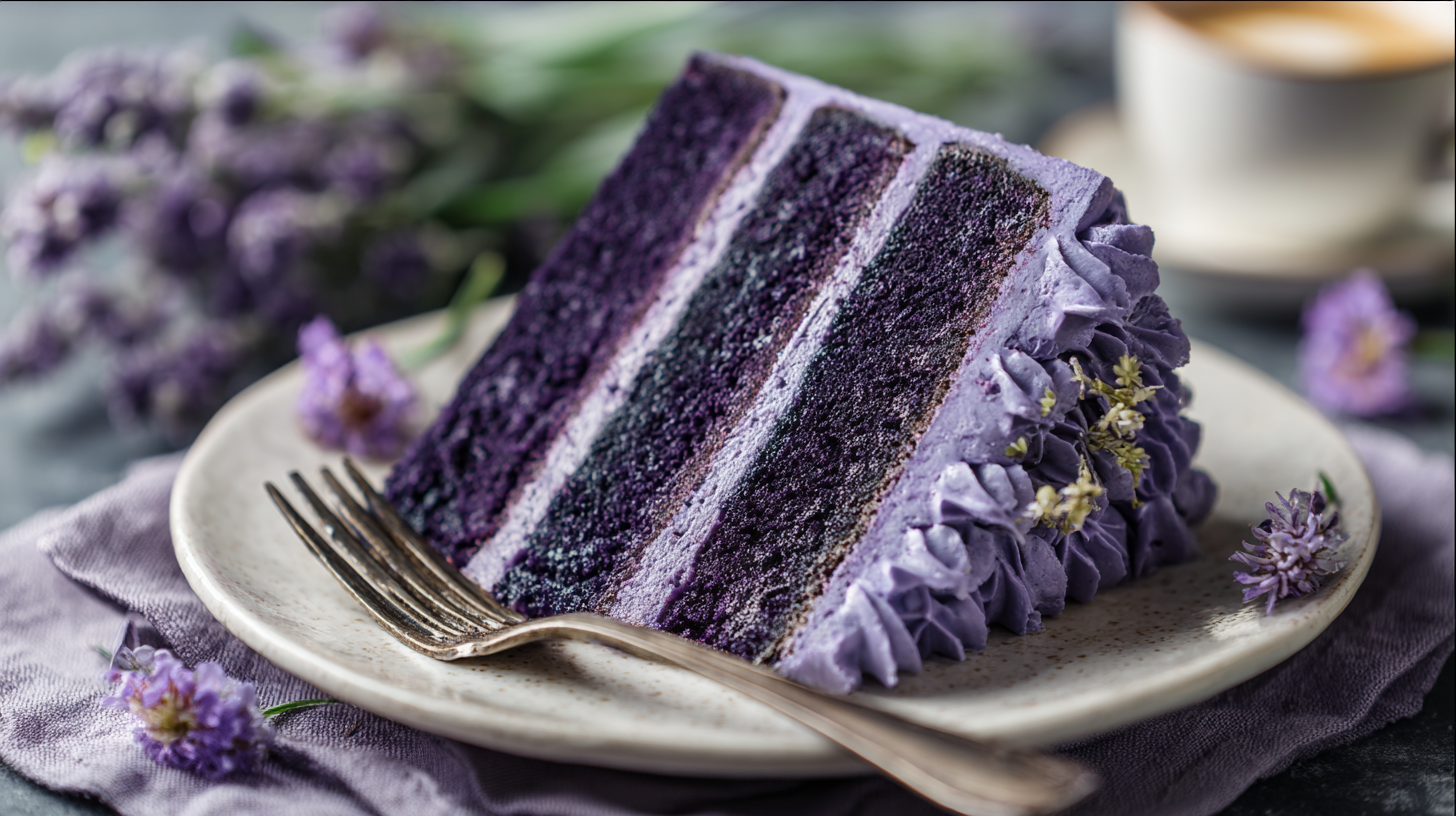
The Spaghetti Combo: Outsiders are often confused by the main course served alongside the cake: Filipino-style spaghetti. It is made with a sweet tomato sauce and sliced hot dogs. To a Western palate expecting Italian savory pasta, it is a shock. To a Filipino celebrant, it is the taste of childhood joy. Noodles (Pancit) also appear, carrying the same longevity symbolism as in Chinese tradition.
In Thailand, Vietnam, and other Southeast Asian nations, traditions vary by family. The influence of Chinese customs (noodles for long life) is strong throughout the region. However, the adoption of Western cake cutting is widespread, often resulting in a “best of both worlds” party menu.
Birthday Cake Traditions in the Middle East and Africa
This region covers a vast array of cultures, religions, and histories. Generalizing is impossible, but we can look at specific traditions that highlight the diversity of celebration.
Birthday Celebrations in Muslim-Majority Countries
Practice varies enormously regarding birthdays in Muslim cultures. It is important to approach this with nuance.
Some families celebrate enthusiastically with cake, decorations, and parties. Others do not celebrate personal birthdays at all, viewing the practice as un-Islamic or simply not a cultural priority. There is theological debate on this topic, and as a party planner, it is not my place to resolve it. My job is to help you respect the choice your host or guest has made.
For Hosts inviting Muslim guests:
- Just ask. “Does your family celebrate birthdays?” is a respectful question.
- Check the ingredients. If you are serving cake to Muslim guests, Halal guidelines matter.
- Alcohol: Pure vanilla extract contains alcohol. Use imitation vanilla or vanilla bean paste instead.
- Gelatin: Fondant, marshmallows, and some mousses contain gelatin (often pork-based). Look for Halal-certified gelatin or agar-agar substitutes.
- Lard: Ensure no lard-based shortenings are used in the frosting.
For Guests: If you are attending a celebration in a Muslim household, follow the family’s lead. If there is cake and singing, join in! The family has made their decision to celebrate.
Israeli Birthday Traditions
Israeli birthday traditions reflect the country’s melting pot of cultures. You see Ashkenazi, Sephardic, Mizrahi, and Ethiopian influences blending together.
In the past, the Kibbutz tradition involved communal celebrations where all children born in the same month might be celebrated together, emphasizing the group over the individual. Today, individual family parties are the norm.
Children’s parties often happen at “play spaces” similar to American venues. The cake is standard—often chocolate, often decorated with candies. The song is Yom Huledet Sameach (Happy Birthday).
Milestones: The biggest shift happens at age 12 for girls (Bat Mitzvah) and 13 for boys (Bar Mitzvah). These are not just birthday parties; they are religious inductions into adulthood. The “cake” here is often part of a lavish catering spread, but the focus is on the reading of the Torah and the party that follows.
African Birthday Traditions
Africa is a continent of 54 countries and thousands of cultures. Birthday cake traditions here are as diverse as the geography.
South Africa: Celebrations here reflect a complex history. You will find British-influenced tea and cake traditions, Afrikaans customs, and Zulu traditions coexisting. In many communities, the 21st birthday is a massive deal, traditionally involving the gifting of a key (made of gold, silver, or foil) symbolizing the “key to adulthood.”
Nigeria: Nigerians know how to throw a party. Urban celebrations can be elaborate. Guests might be expected to wear aso ebi—matching outfits or fabrics chosen by the host family. The cake is often a showstopper, but it shares the table with Jollof rice and other traditional feasts. The cutting of the cake is often a formal moment with photos.
Ghana: Traditional “naming ceremonies” often hold more cultural weight than annual birthdays in some regions, but modern birthdays are celebrated with gusto. The “oto” (mashed yam and eggs) is a traditional celebratory dish that might appear alongside a Western-style cake.
Communal vs. Individual: In many rural communities across the continent, communal celebration matters more than individual milestones. The Western concept of a “me-focused” day is not universal. However, where Western influence is strong, you will find cake, candles, and “Happy Birthday” sung in local languages.
Respectful Engagement Across Cultures
Whether you are in Cairo, Cape Town, or Tel Aviv, or simply attending a party for a friend with heritage from these regions, the rules of engagement are similar:
- Ask what matters. “Is there a special food you always have for birthdays?” creates a great conversation.
- Context is key. If you see a tradition you don’t understand, ask about it with genuine curiosity, not as if it were an oddity. “I’d love to know the story behind this dish” is a beautiful phrase.
- Dietary Respect. Taking the time to ensure a cake is Halal or Kosher for your guests is the ultimate sign of a thoughtful host.
Birthday Cake Traditions in Australia, New Zealand, and the Pacific
If you travel down under, you might expect the celebrations to look just like British or American ones. You would be wrong. While the language is shared, the traditions in this part of the world have a distinct flavor—sometimes literally covered in sprinkles.
Australian Birthday Traditions
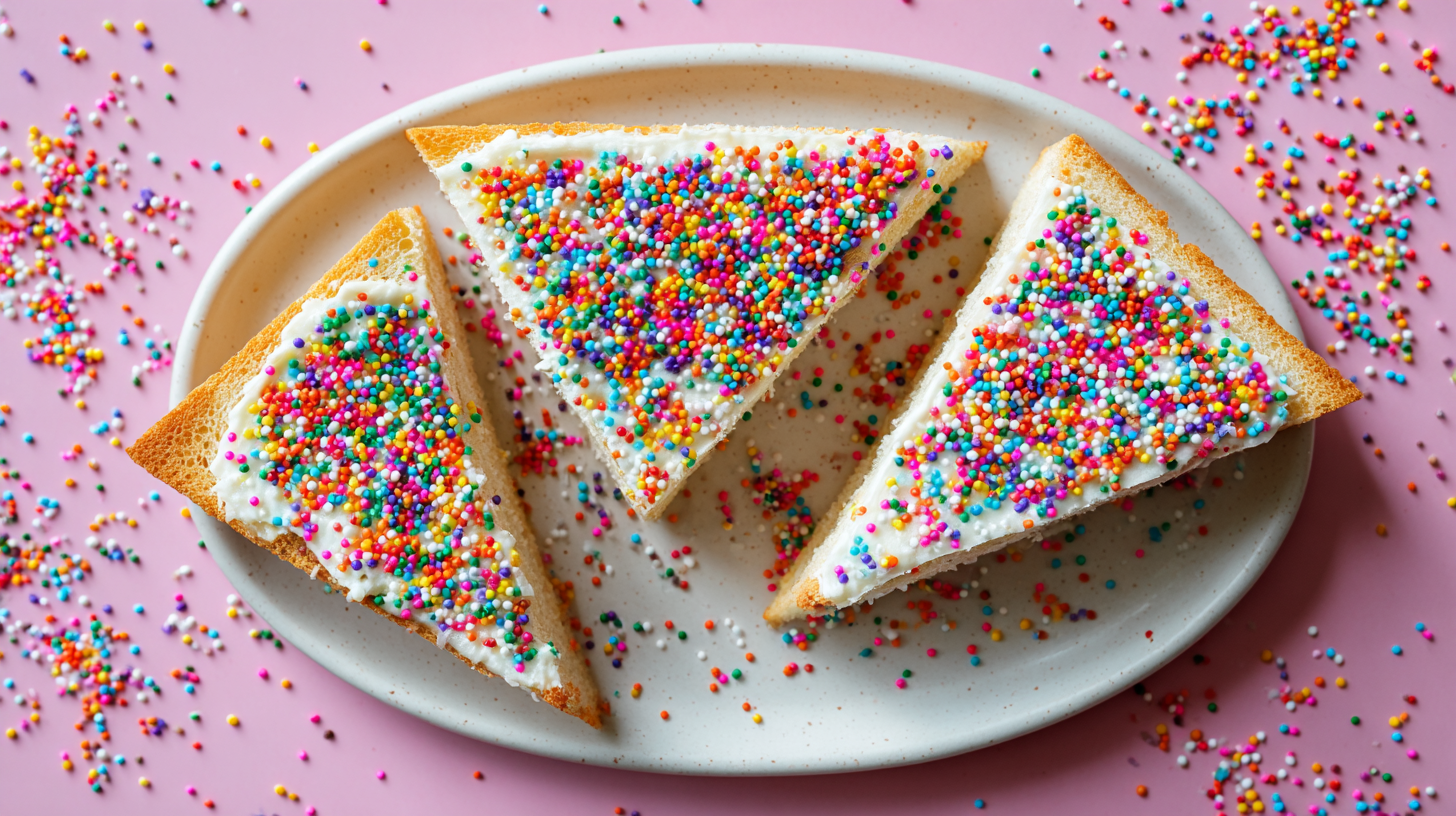
You cannot talk about Australian birthdays without talking about Fairy Bread.
To an outsider, it looks baffling. It is simply white bread—the softest, squarest kind you can find—slathered with butter and covered in “hundreds and thousands” (rainbow sprinkles). It is cut into triangles and served at virtually every children’s party, it will be sitting right next to the actual cake. If you host an Australian and forget the Fairy Bread, you have missed the assignment. It is nostalgia on a plate.
Then there is the Pavlova. Both Australia and New Zealand claim this meringue-and-cream dessert as their own. I won’t pick a side in that war, but I will tell you that it often replaces traditional cake, especially in the summer months. A “Pav” topped with fresh kiwi, strawberries, and passion fruit is lighter than a dense sponge and suits the climate perfectly.
Because the climate is often warm, outdoor celebrations are the norm. The “Sausage Sizzle” (barbecue) is a standard birthday format. The cake often appears after a casual meal of grilled sausages and salads. It is less formal than a sit-down dinner party. The vibe is relaxed, but the sugar content is serious.
New Zealand Birthday Traditions
Head across the Tasman Sea, and you find similar informality but with distinct Kiwi twists.
Manaakitanga—hospitality and generosity—is central here. A birthday isn’t just about the person; it’s about feeding the whanau (extended family). The spread is crucial.
You will likely encounter Lolly Cake. This is a uniquely Kiwi treat. It is a no-bake log made from crushed malt biscuits, condensed milk, butter, and “fruit puffs” (firm, marshmallow-like candies). The host or baker will slice it into rounds and rolled in coconut. It often sits on the dessert table alongside the main birthday cake.
Lamingtons are another staple. Squares of sponge cake dipped in chocolate sauce and rolled in desiccated coconut. While eaten year-round, they frequently appear on the birthday table. The approach here is often a “sweet table” rather than just a single cake moment. You graze on sweets while catching up with cousins.
Pacific Island Traditions
Across the Pacific nations—Samoa, Tonga, Fiji, and beyond—birthday traditions take on a communal focus.
In Hawaii, the influence of the “luau” style celebration is real, but distinct from the tourist version. Authentic celebrations might feature Haupia (coconut pudding) or cakes flavored with guava and passion fruit alongside Western options.
In Samoan and Tongan culture, the emphasis is on abundance. A birthday is a reason for the community to gather. Food is prepared in large quantities. A cake is present, but it is just one part of a massive feast that might include roast pig, taro, and seafood. The cutting of the cake doesn’t necessarily stop the party the way it does in Western traditions; it flows into the broader celebration of community and family connection.
Indigenous Australian Considerations
Aboriginal and Torres Strait Islander communities have diverse approaches to celebrating. There is no single “Indigenous birthday tradition.” Some families embrace Western customs fully. Others incorporate cultural gatherings. Some communities have specific protocols around naming and celebration that differ from the Gregorian calendar milestones.
The most respectful thing you can do is ask. “How does your family celebrate?” is better than guessing. Recognizing that this diversity exists prevents you from making awkward assumptions about “traditional” celebrations.
Birthday Cake Traditions Across North America: Beyond the Default
We often assume “American” or “Canadian” birthdays are the default standard—cake, candles, song. But when you look closer at traditions across this continent, you find a patchwork of regional habits.
Canadian Birthday Traditions
Canada is massive, and its traditions reflect that geography.
In Quebec, the French influence is undeniable. You are more likely to see sophisticated patisserie-style cakes in Montreal than in rural Manitoba. The “Happy Birthday” song has its own French variation (Gens du pays is sometimes used for celebrations, though Bonne Fête is standard).
Nanaimo Bars—named after the city in British Columbia—are a national treasure. These no-bake bars with a crumb base, custard center, and chocolate ganache top often appear at birthday gatherings. In the Maritime provinces, molasses-based sweets or specific regional treats might appear.
Canada’s explicit embrace of the “cultural mosaic” (vs. the melting pot) means blending is the norm. A birthday party in Toronto might feature a standard supermarket slab cake right next to Jamaican rum cake or Portuguese custard tarts. It is not considered “exotic”; it is just considered Canadian.
Regional American Traditions
The “American Birthday” isn’t one thing.
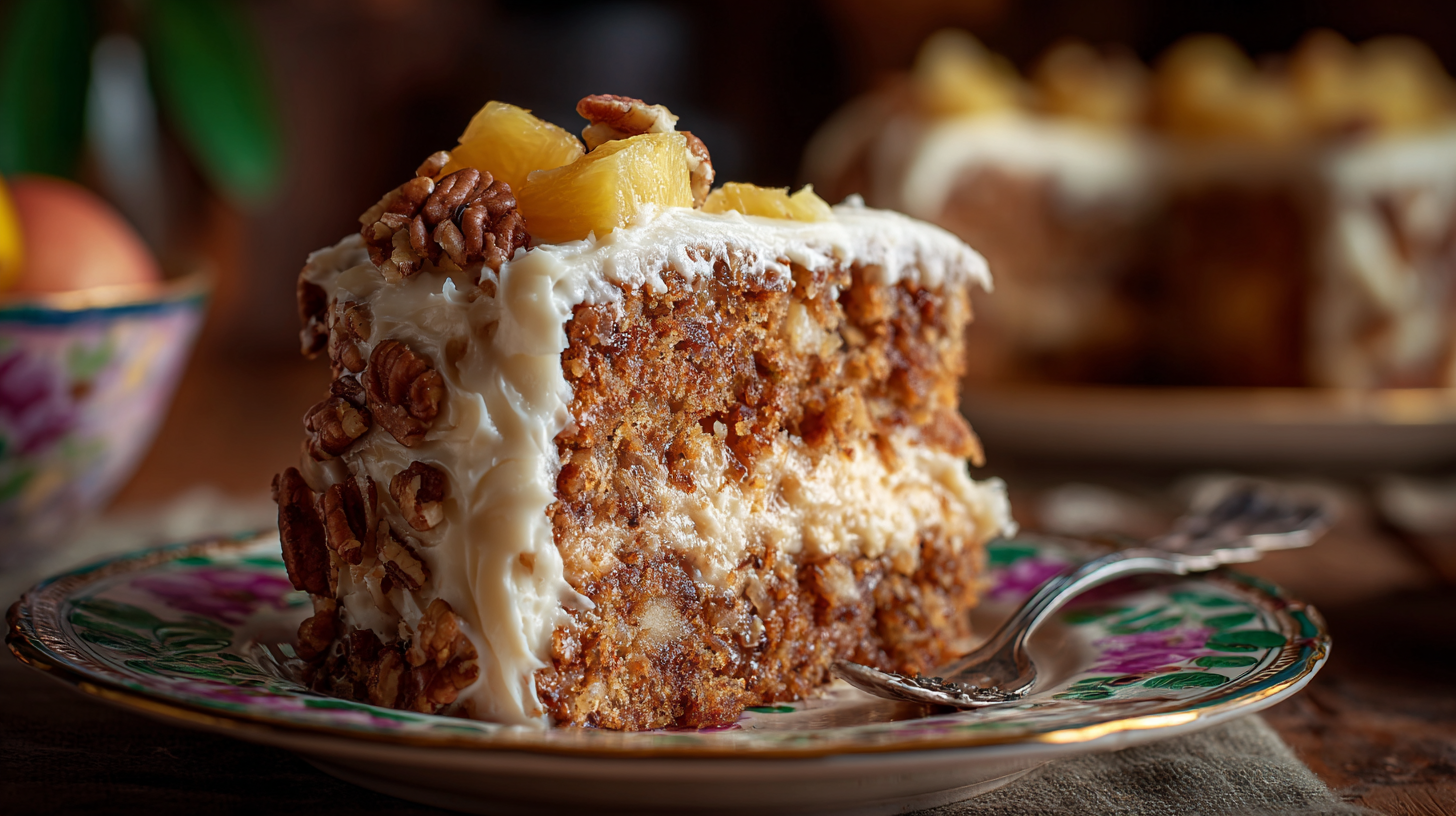
The South: Here, the cake is king. But not just any cake. Red Velvet—real red velvet with a hint of cocoa and buttermilk, not just dyed vanilla—is a staple. Hummingbird Cake (banana, pineapple, pecan) is another massive favorite. In some families, a Coconut Cake is the non-negotiable birthday standard.
The Midwest: The “potluck birthday” is strong here. The host might provide the cake, but guests often bring “a little something.” The “cookie table”—famous at weddings in Pennsylvania and Ohio—sometimes trickles down to milestone birthdays.
Hawaii (State): Distinct from Native Hawaiian traditions, the local culture here mixes Asian and American influences. Guava chiffon cake is a standard birthday request that you rarely see in Kansas.
New Orleans: You might see a Doberge cake—a many-layered cake originating from the region’s rich baking history. It is distinct, local, and essential for traditional families.
Mexican-American and Latinx Traditions
In the US, Mexican-American families often navigate two worlds. You might see a Tres Leches cake sitting next to a Costco sheet cake.
The Quinceañera (15th birthday) remains a massive cultural touchstone. However, in the US, you often see “Sweet 16” traditions blending in. The cake ceremony at a Quinceañera is formal, but the party might switch to English-language pop music immediately after.
Cuban-American families in Miami or Puerto Rican families in New York have their own distinct vibes. A Cuban celebration might feature Pastelitos (guava pastries) alongside the cake. The key takeaway: “Latinx” covers twenty countries. Don’t assume a Dominican family wants a piñata just because a Mexican family does.
Indigenous North American Considerations
First Nations, Native American, and Inuit communities are incredibly diverse. There are hundreds of distinct nations.
Some communities have specific ceremonies that mark coming of age or the turning of a season, which carry more weight than a Gregorian birth date. Others have fully adopted Western birthday parties but often with a community-focused “giveaway” element, where the birthday person (or their family) gives gifts to guests rather than just receiving them.
If you are invited to a celebration on a reservation or within a specific community, observe and ask. The protocols for elders often differ from those for children.
Birthday Cake Traditions in India and South Asia
The Indian subcontinent offers a masterclass in adapting birthday traditions. Here, ancient religious rituals sit comfortably beside modern confectionery.
Indian Birthday Traditions
In many Indian households, the day starts with a Puja (prayer ceremony) or a visit to the temple. This is the spiritual grounding of the day. The “party” with the cake comes later.
The Feeding Ritual: When the cake is cut, the birthday person cuts a small slice. They then hand-feed a piece to their parents, grandparents, or closest elders first. Then, the family members feed a piece back to the birthday person. This physical act of feeding each other is a sign of love and respect. It is intimate and essential.
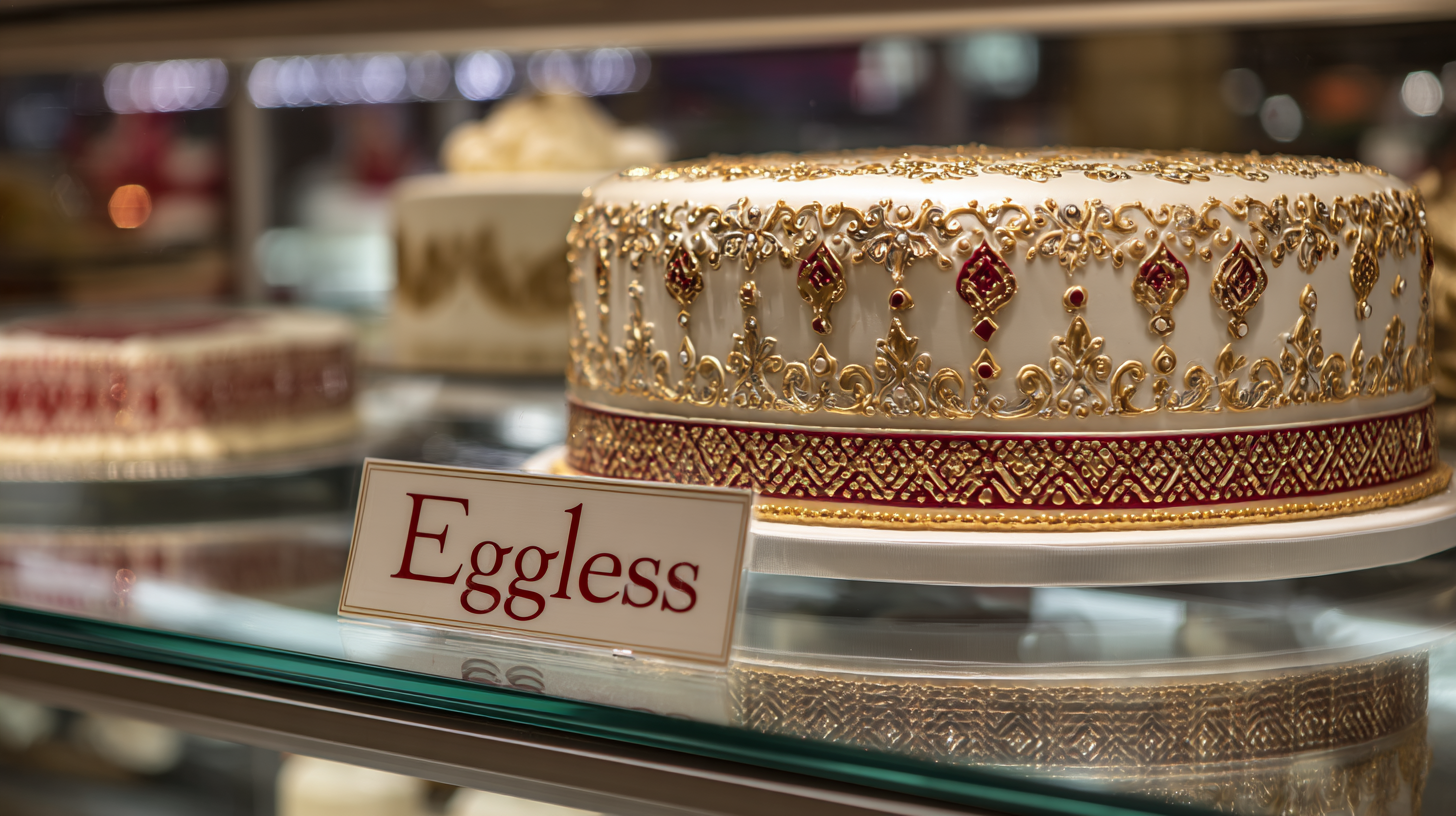
Eggless Cakes: Because a significant portion of the population is vegetarian (and avoids eggs), “Eggless Cake” is a standard category in Indian bakeries. These aren’t niche diet cakes; they are mainstream, delicious, and often indistinguishable from egg-based versions. If you are hosting Indian guests, providing an eggless option is a thoughtful move.
First birthdays are huge. In West Bengal, the Annaprashan (rice ceremony) marks the baby’s first solid food. It is a major event, often more significant than the cake cutting that might follow.
Pakistani and Bangladeshi Traditions
In Pakistan, celebrations reflect both cultural heritage and Islamic values. Cake is very popular, but it is part of a larger spread. You will often see rich meat dishes (Biryani, Karahi) followed by sweets.
Halal is Key: Just as with Middle Eastern traditions, ensuring the cake contains no alcohol or non-halal gelatin is crucial.
Bangladesh: Sweets are the love language here. While a Western cake might be cut for the photos, the real treat is often Mishti (sweets) like Sandesh or Rasgulla. These milk-based desserts are how joy is shared. The emphasis is on hospitality—if you leave a Bangladeshi birthday party hungry, the host has failed (and that rarely happens).
Sri Lankan and Nepalese Traditions
Sri Lanka: A distinctive tradition here is Kiribath (milk rice). This dish—rice cooked in coconut milk—is served on all auspicious occasions, including birthdays. It is often cut into diamond shapes. It might be eaten for breakfast to start the day right, while the cake appears at the evening party.
Nepal: Hindu traditions shape birthdays here. Kheer (rice pudding) is a traditional celebratory food. You might also see the Tika ceremony, where red powder (tika) mixed with yogurt and rice is applied to the birthday person’s forehead by elders as a blessing. This visual mark of blessing is worn proudly throughout the day.
Hosting South Asian-Influenced Celebrations
If you are the host:
- Check the Diet: “Vegetarian” in a South Asian context usually means no meat, fish, or eggs, but dairy is fine. “Non-veg” eaters often still avoid beef or pork. Ask specifically.
- The “Cake Feed”: Don’t be surprised if the birthday person starts feeding cake to their mom instead of eating it themselves. It’s a beautiful moment of respect.
- Volume: These cultures value abundance. One small cake and nothing else might look stingy. Have plenty of sides or alternative sweets.
How to Blend Birthday Cake Traditions in Multicultural Families
This is where the rubber meets the road. You have a German grandmother, a Mexican father, and an American teenager. How do you handle the cake?
Blending birthday traditions around the world isn’t about following a rulebook; it’s about negotiation and love.
When Family Traditions Differ
The biggest friction point is often expectation. The German grandmother expects a homemade cake and a quiet coffee hour. The Mexican father expects a loud party, La Mordida, and a Tres Leches cake.
Identify the Non-Negotiables: Sit down and ask: “What makes it feel like a birthday to you?” Maybe for Grandma, it’s the song that matters, not the cake. Maybe for Dad, it’s the flavor of the cake, not the face-smashing. Once you know what truly matters, you can build a hybrid.
Communicate Early: Tell your guests what is happening. “We’re going to do the cake cutting a little differently to honor Hans’s heritage.” Context creates buy-in. If people know why something is happening, they usually think it’s charming rather than weird.
Practical Blending Strategies
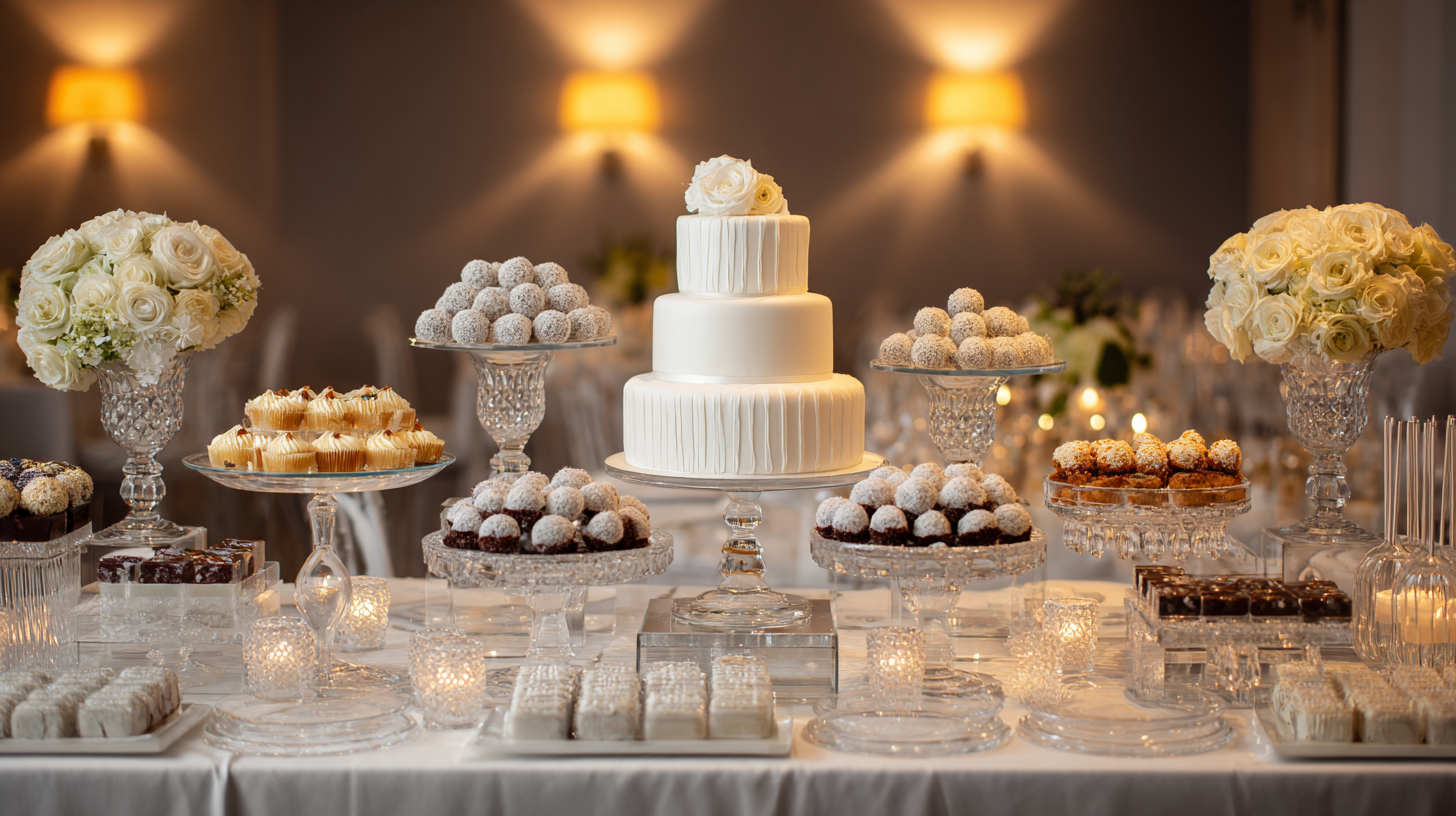
The “Dessert Table” Solution: Don’t force one cake to do all the work. Have a dessert table. Put the American chocolate cake right next to the Indian Gulab Jamun and the Australian Lamingtons. This visual abundance is festive and lets everyone have a “taste of home.”
The “Remix” Ceremony:
- Sing “Happy Birthday” in English.
- Then sing “Las Mañanitas” or the relevant cultural song.
- Then do the cake cutting.
- It extends the ceremony, but nobody hates extra singing.
Empower the Birthday Person: If it is your child’s birthday, let them choose. Kids are remarkably good at synthesis. They might say, “I want the face-smush, but I want Grandma’s chocolate cake.” That is their new tradition. Let them own it.
Navigating In-Law and Extended Family Expectations
This is delicate. You don’t want to offend your mother-in-law by ignoring her traditions, but you want to start your own.
The Diplomatic Approach: “We love the way your family celebrates. For this party, we’re going to try mixing in some of my family’s traditions too.” You can also alternate. Maybe the family party follows one set of rules, and the “friends” party follows another.
The “New Tradition” Pivot: Create something that belongs only to your immediate family. Maybe you always have pancakes for breakfast. This third tradition takes the pressure off the cake moment being the only significant ritual.
Teaching Children About Multiple Traditions
A birthday is a teaching moment. Explain the why. “We eat seaweed soup because it honors how hard Grandma worked to have Daddy.” “We put sprinkles on bread because that’s what Mummy did when she was little in Sydney.”
Document these things. Take photos of the Fairy Bread. Record the singing. These blended celebrations are the history of your specific family culture.
Hosting Birthday Celebrations That Honor Multiple Cultural Traditions
You don’t need to be an expert in every culture to be a great host. You just need to be curious and kind.
Research and Ask
If you are hosting a party for a friend from a different background, do a quick Google search to get the basics, but then ask them. “I read that [Tradition X] is common in your culture—is that something you’d like to include?” This shows you care enough to look it up, but respect them enough to let them decide.
The Magic Question: “Does your family do anything special for birthdays that I should know about?” This is the skeleton key. It unlocks stories and preferences without you having to guess.
Accommodating Dietary Requirements
In a multicultural group, dietary needs are often non-negotiable religious or cultural tenets, not just fads.
- Halal/Kosher: Check your gelatin and extracts.
- Vegetarian: Check for eggs (common in cakes) and gelatin (in fondant).
- Alcohol: Many cultures avoid it strictly. Rum cakes or bourbon glazes are a no-go.
Labeling is your friend. A simple card saying “Contains Eggs” or “Alcohol-Free” saves your guests from having to ask awkward questions.
Creating Inclusive Celebrations
Inclusivity means making sure everyone feels welcome to participate. If you are doing a specific tradition (like the “bumps” or a specific song), explain it first. “Okay everyone, now we’re going to do a tradition from England called the bumps!” This invites people in rather than leaving them on the sidelines wondering why you are shaking a child upside down.
End the celebration by thanking people for sharing their traditions. It validates that their presence made the party better.
Celebrating Birthdays Across Cultural Boundaries
When we look at traditions from Australia to Argentina, we see a million differences. We see noodles and soup, bread and sprinkles, face-smashing and quiet candles.
But underneath all of that, the core is identical. We are stopping the clock for one moment to look at a person we love and say, “I am glad you are here. I am glad you survived another year. I want you to have a sweet life.”
Understanding these global traditions enriches us. It stops us from thinking our way is the “normal” way and everyone else is “weird.” It turns a confusing moment—like seeing someone refuse to cut noodles—into a moment of understanding.
You don’t have to get it perfect. You just have to show up with respect. The host who tries to find eggless cake for their Indian neighbor, or the guest who enthusiastically eats the Fairy Bread, is building a bridge.
So, bake the cake. Buy the sprinkles. Ask the questions. The world is full of ways to celebrate, and there is room at the table for all of them.
Frequently Asked Questions About Birthday Cake Traditions Around the World
How do I find out what birthday traditions a guest’s family follows?
The best approach is simply to ask directly and with curiosity. You can say, “Does your family have any special birthday traditions you usually celebrate with?” or “Are there any specific foods or customs that make a birthday feel ‘real’ to you?” Most people love sharing their culture and will appreciate your interest. Avoid guessing based on their ethnicity; assume nothing and let them tell you what matters to them.
What if I accidentally violate a cultural tradition at a birthday celebration?
If you accidentally cut the longevity noodles or refuse a piece of cake when you shouldn’t have, don’t panic. Apologize simply and sincerely. Say, “I’m so sorry, I didn’t realize that was the custom. Thank you for telling me.” Most people understand that birthday traditions around the world vary and won’t expect you to be an expert. Your willingness to learn and your respect for the host matter far more than a minor etiquette slip.
How do I blend different cultural traditions when planning a multicultural birthday party?
Start by identifying the “non-negotiables” for the key family members. What element signifies “birthday” to them? Then, use the “and” approach rather than the “or” approach. Serve the American cake and the Mexican Tres Leches. Sing the song in English and Spanish. You can also create a timeline that allows for different moments—perhaps a traditional morning ritual for the family, followed by a blended party in the afternoon. Communication is key: explain to guests what you are doing so everyone feels included.
Is it offensive to incorporate another culture’s birthday traditions into my celebration?
It depends on your intent and connection. If you are incorporating a tradition because you are hosting a friend from that culture or blending families, it is a beautiful act of inclusion. If you are doing it just because it “looks cool” without understanding the meaning or having a connection to the culture, it can feel like appropriation. The key is respect and relationship. If you want to try a tradition you have no connection to, do your research, explain why you admire it, and ensure you are not treating a sacred or meaningful ritual as a mere party prop.
What should I do if I’m invited to a birthday celebration with unfamiliar customs?
Go with an open mind and follow the lead of the host or family elders. If everyone is lining up to feed the birthday person cake, join the line or watch respectfully. Yet ifyou are unsure what to do, find a friendly-looking guest and ask, “I’m not familiar with this part of the celebration—what is happening now?” Enthusiasm covers a multitude of sins. If you participate with a smile and a genuine desire to celebrate the birthday person, you will be a welcome guest.
How can I teach my children about birthday traditions from cultures other than our own?
Start by normalizing difference. When you read books or watch shows, point out how birthdays look different in other places. If you have friends from other backgrounds, involve your children in choosing appropriate gifts or learning about their celebrations. You can also make “celebrations around the world” a fun learning project—perhaps baking a different country’s traditional sweet for a “half-birthday” or special treat. Always frame these as “different ways to celebrate,” not “strange ways.” UNESCO Intangible Cultural Heritage provides great resources for understanding global celebrations.





Leave a comment
You must be logged in to post a comment.