






Allergy-Friendly & Dietary Birthday Cakes and Cupcakes
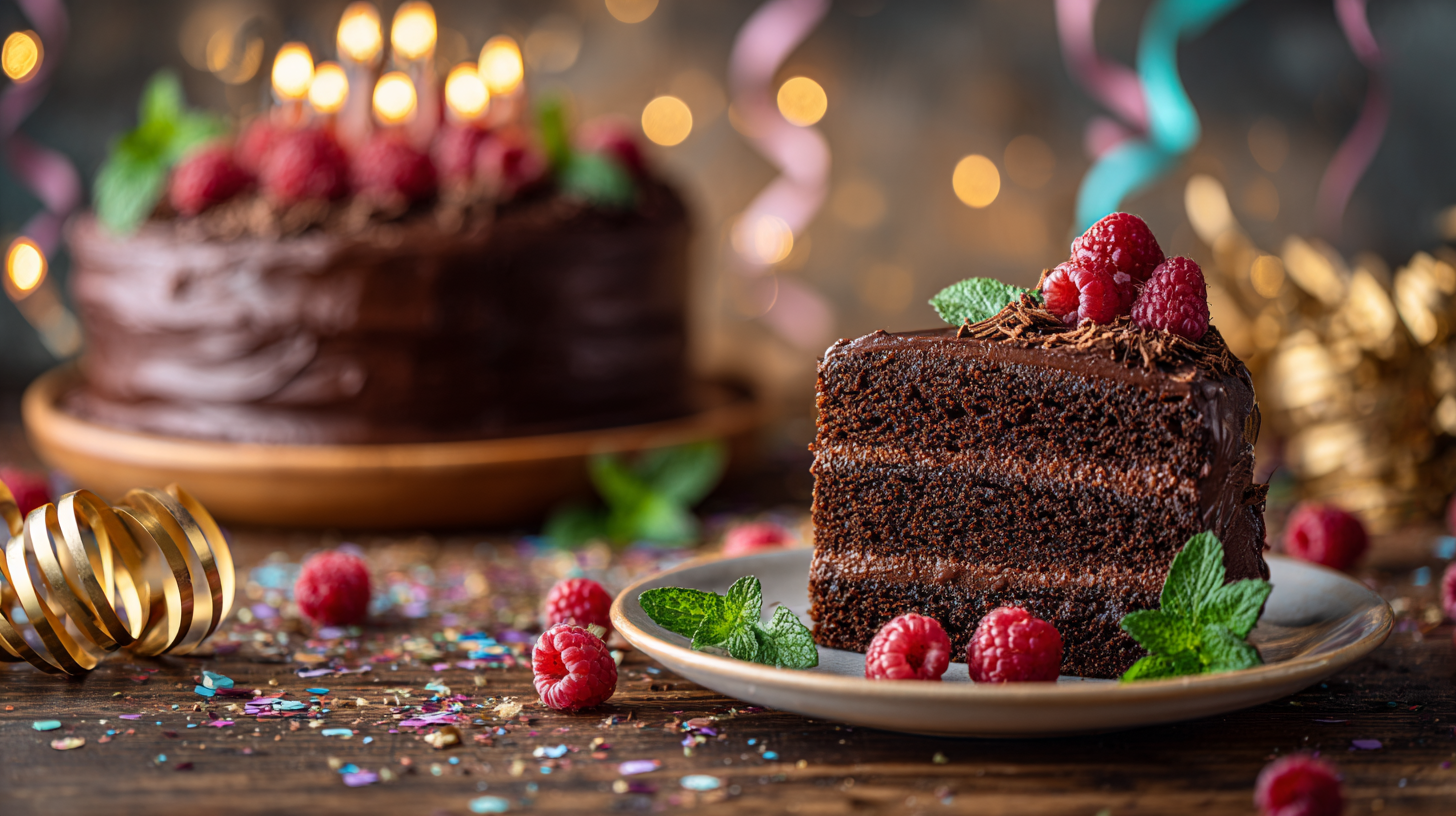
Picture a birthday party in full swing. The candles are lit, the song is ending, and the knife is slicing into a towering, frosted cake. For most guests, this is the highlight. But for a child with a peanut allergy, this moment is often filled with anxiety. They might have to ask, “Is there anything in there I can’t eat?” For a parent of a child with Celiac disease, it’s a moment of vigilance, hoping a well-meaning host didn’t use the same knife to cut the gluten-free option.
If you are reading this, you likely have a specific reason. Maybe you are baking for your own child and want to give them an allergy-friendly birthday cake that looks and tastes just as wonderful as any other. Perhaps you are hosting a party where a guest has dietary restrictions, and you want them to feel truly included, not sidelined with a fruit cup while everyone else eats chocolate cake. Or maybe you are ordering from a bakery and need to know exactly what questions to ask to ensure safety.
Whatever brought you here, you want guidance that leads to safe, delicious desserts.
You don’t want compromise cakes that technically meet requirements but end up dry, crumbly, or sad. You want a celebration that feels like a celebration for everyone.
I have been there & I know the stress of scanning ingredient labels three times just to be sure. I know the pressure of wanting to keep everyone safe while still being a “good host.” The good news is that dietary accommodations have come a long way. With the right knowledge, you can navigate this successfully.
This guide builds upon the foundation laid in Birthday Cakes and Cupcakes: The Complete Celebration Guide. While that post covered the basics of cake selection, this guide goes much deeper. We are going to dig into specific allergen management for the major food allergies. I will walk you through the science of ingredient substitutions so you know why some swaps work and others fail. We will cover cross-contamination protocols that actually protect your guests.
By the end of this post, you will have the detailed knowledge to handle dietary restrictions with confidence. You will move from stressful guessing to competent execution. Let’s make sure everyone gets a slice of the celebration.

Food Allergies and Dietary Restrictions: What Every Host Needs to Know
The Big Nine Allergens
To make a safe allergy-friendly birthday cake, you first need to understand what you are managing. In the United States, nine specific allergens are responsible for about 90% of all allergic reactions. These are known as the “Big Nine”: milk, eggs, peanuts, tree nuts, wheat, soy, fish, shellfish, and sesame.
When we talk about birthday cakes, four of these culprits show up constantly. Milk is in butter, cream, and many chocolates. Eggs provide structure and lift. Wheat is the foundation of flour. Peanuts and tree nuts often appear in fillings, decorations, or simply as cross-contamination risks from shared manufacturing equipment.
It is crucial to understand what an allergic reaction actually involves. It isn’t just a stomach ache or a rash, though those can happen. Reactions involve the immune system. They can range from mild symptoms like hives to severe, life-threatening anaphylaxis. Anaphylaxis restricts breathing and causes a drop in blood pressure. It requires immediate medical attention and epinephrine.
Here is the scary part: severity isn’t always predictable.
Someone who only had hives last time could have a severe reaction next time. This is why the phrase “just a little bit won’t hurt” is never, ever acceptable. For people with serious allergies, even microscopic trace amounts can trigger a reaction. Taking this seriously isn’t being dramatic. It is being responsible.
You also need to understand the difference between a food allergy and a food intolerance. This distinction changes how strictly you must handle the food. A food allergy triggers an immune response. It can be fatal. Even cross-contamination matters.
A food intolerance, like lactose intolerance, is usually a digestive issue. The body lacks an enzyme to digest the food properly. It is uncomfortable and painful, but generally not life-threatening. Intolerances are often dose-dependent. A person might handle a little butter in a frosting but not a glass of milk.
Celiac disease is a third category. It is an autoimmune condition, not an allergy or an intolerance. When someone with Celiac eats gluten, their immune system attacks their own small intestine. It causes long-term damage. While it doesn’t typically cause immediate anaphylaxis, strict avoidance is just as necessary as with an allergy. Even crumbs matter.
Understanding these differences helps you react appropriately.
It helps you understand why your friend with a milk allergy can’t have “just a sliver” of butter-cream cake, while your uncle with lactose intolerance might risk it.
Ultimately, this is about more than safety. It is about belonging. People with allergies often feel like burdens. They spend their lives apologizing for their needs. They are used to being left out. When you go the extra mile to provide a dietary birthday cake that is safe and delicious, you are telling them they matter. You are validating their presence at your celebration.
Common Dietary Restrictions Beyond Allergies
Allergies are the most critical category due to immediate safety risks, but you will likely encounter other restrictions. Understanding the landscape helps you plan a better menu.
Gluten-free requirements are very common. As mentioned, this can stem from Celiac disease, which requires a rigorous protocol. It can also come from non-Celiac gluten sensitivity. These individuals feel sick when they eat gluten but don’t have the same intestinal damage. Or, it might be a personal health preference. If it’s a preference, shared equipment might be fine. If it’s Celiac, you need a sterile environment. Knowing the “why” determines your “how.”
Dairy-free is another major category. A milk allergy requires strict avoidance of all dairy proteins (casein and whey). This means no butter, no milk, no cream, no cheese. Lactose intolerance is different. Many lactose-intolerant people can handle butter because it is mostly fat with very little lactose. However, a vegan guest avoids dairy by choice to avoid animal products.
Egg-free requests usually stem from an egg allergy. This is tricky for bakers. Eggs do a lot of heavy lifting in cake recipes. They bind ingredients, add moisture, and help the cake rise. An egg allergy means avoiding the egg itself and checking labels on other products, like meringue powder or certain frostings.
Vegan requirements encompass a few of these at once.
A vegan dietary birthday cake must be free of all animal products. This means no eggs, no dairy (milk, butter, cream), and no honey. Some vegans also avoid refined white sugar because it is often processed using bone char. Vegan baking has advanced massively in the last decade. You can absolutely make a stunning vegan cake, but you have to replace fats, binders, and liquids all at once.
You might also encounter keto or low-carb requests. These guests avoid sugar and flour, focusing on fats and proteins. Sugar-free requests might come from guests managing diabetes. Religious dietary laws, like Kosher or Halal, may restrict certain ingredients (like gelatin) or require specific certifications.
Getting Accurate Information from Guests
You cannot accommodate a restriction you don’t know about. The first step to a safe party is communication. Don’t guess. Assumptions are dangerous. Assuming a “dairy issue” is lactose intolerance when it is actually a severe allergy could send someone to the hospital.
I find it helps to normalize this during the invitation process. It has become standard etiquette. Include a line on your invite: “Please let us know of any food allergies or dietary restrictions we should be aware of.” This frames it as a standard part of hosting, not a special burden.
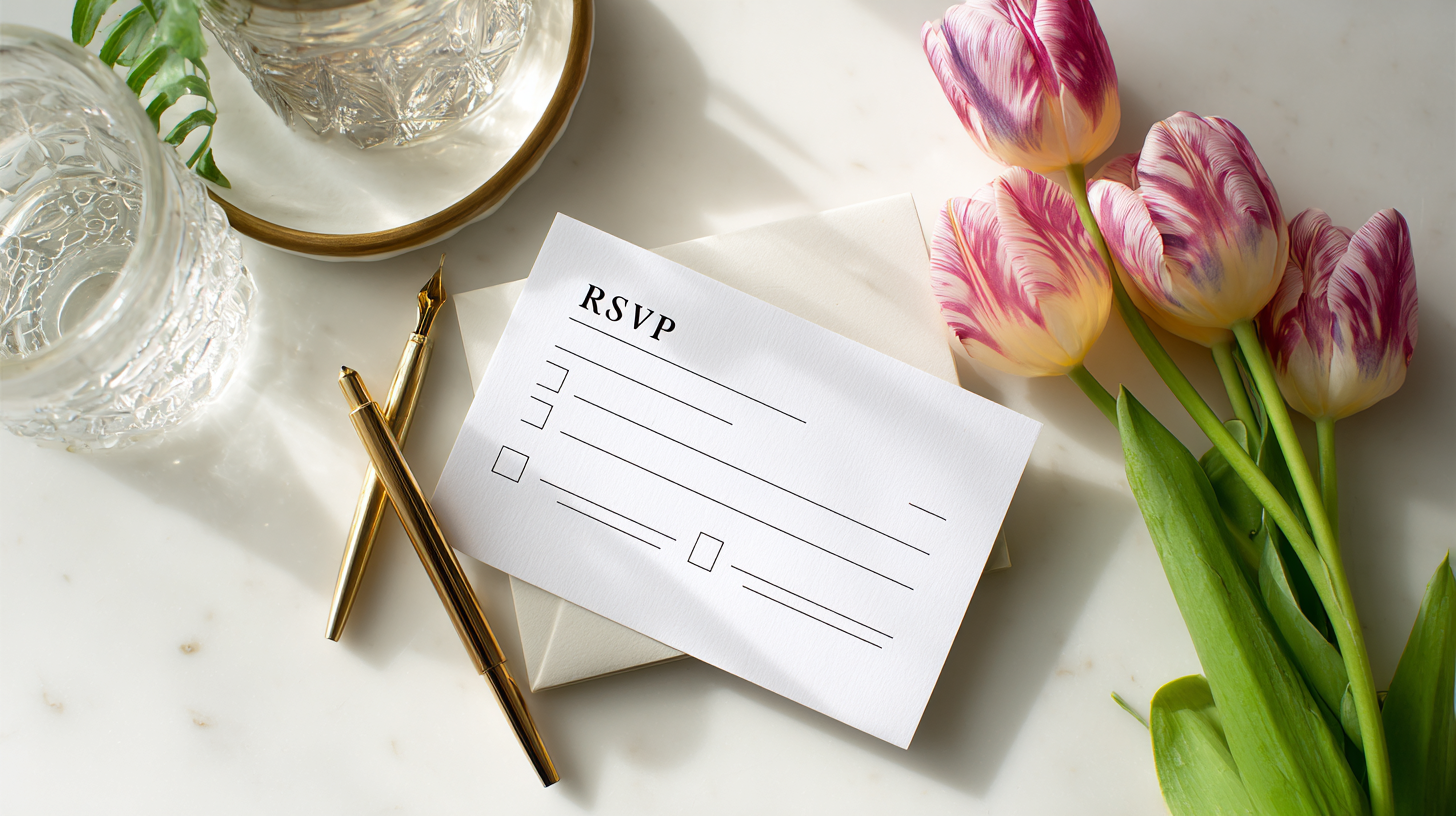
When a guest tells you they have a restriction, follow up. Don’t feel like you are prying. Ask specifically: “I know Emma has a nut allergy. Can you tell me more about what we need to avoid? How sensitive is she to cross-contamination?”
Here is the information you need to gather:
- The Specifics: What exactly must be avoided?
- The Severity: Is this a preference, an intolerance, or a life-threatening allergy? Does trace exposure (like using a washed spoon) cause a reaction?
- Trusted Brands: Are there specific products they use safely at home?
- Comfort Level: Would they prefer to bring their own safe food? Some families have a protocol and feel safer controlling the food themselves.
Sometimes guests are vague. They might say “no gluten” without specifying Celiac or preference. Ask follow-up questions. “I want to make sure I keep you safe—do I need to worry about shared equipment in my kitchen, or is avoiding gluten ingredients enough?” This shows you care. It builds trust.
When to DIY Versus When to Order from Specialists
Now comes the hard question. Should you bake this allergy-friendly birthday cake yourself, or should you outsource it? This requires an honest assessment of your skills and your kitchen.
DIY makes sense in several scenarios. If you are a competent baker and the restriction is straightforward (like avoiding nuts in a nut-free home), you can likely handle it. If you are the parent of the allergic child, you already know the drills. You live this life every day. DIY is also great if you are on a tight budget, as specialty bakeries can be pricey.
However, consider the stakes. If a guest has a severe, anaphylactic allergy to something pervasive like wheat or flour, baking at home is risky. Flour dust lingers in the air for hours. It settles on counters you just cleaned. In a standard home kitchen that uses wheat flour, making a truly Celiac-safe cake is incredibly difficult.
Ordering from a specialist makes sense when safety is paramount.
Dedicated allergy-friendly bakeries are game-changers. A “nut-free facility” means no nuts ever enter the building. There is zero risk of a rogue peanut finding its way into the mixer. This level of safety assurance is something most home kitchens cannot provide.
If you are dealing with multiple complex allergies—like a guest who is gluten-free AND egg-free AND dairy-free—the chemistry gets complicated. A specialist bakery has already solved these texture problems. They know how to make that specific combo taste good.
There is also a middle path: using specialist mixes at home. Brands like King Arthur or Simple Mills make excellent allergy-friendly birthday cake mixes. These take the formulation risks out of your hands. You just have to manage the kitchen safety. This is often a great compromise for the home baker who wants to bake but needs a safety net.
See DIY Birthday Cakes and Cupcakes vs. Bakery Orders: The Complete Decision Guide for more on making this choice.
Substituting Allergens in Birthday Cakes: The Science of What Works
Egg Substitutes and When to Use Each
Eggs are the Swiss Army knife of baking. They provide structure so the cake doesn’t collapse. They add moisture. The yolks add richness and fat. The whites trap air for leavening. When you take them out, you have to replace all these functions.
Successful substitution depends on the cake type.
Flax Eggs: This is a classic binder. You mix one tablespoon of ground flaxseed meal with three tablespoons of warm water. Let it sit for five minutes until it gets gelatinous.
- Best for: Dense, moist cakes like carrot cake, spice cake, or chocolate cake.
- Cons: It has a nutty flavor and visible flecks. It will ruin a delicate vanilla white cake.
Chia Eggs: Made the same way as flax eggs (1 tbsp chia seeds + 3 tbsp water).
- Best for: Muffins and denser cakes.
- Cons: Very visible seeds unless you use white chia or grind them.
Commercial Egg Replacers: Brands like Bob’s Red Mill make powders specifically for baking. They are usually a mix of potato starch and tapioca flour.
- Best for: Cookies and standard cakes where you want a neutral flavor. They are reliable and consistent.
Aquafaba: This is the liquid from a can of chickpeas. It sounds strange, but it is magical. It contains proteins that mimic egg whites. You can whip it into a meringue. Use about three tablespoons to replace one whole egg.
- Best for: Lighter cakes and meringues. It provides lift that flax does not.
Applesauce or Mashed Banana: Use about 1/4 cup per egg.
- Best for: Quick breads and muffins.
- Cons: They add their own distinct flavor. Banana cake will taste like banana. Applesauce makes things very moist and dense.
Silken Tofu: Blend 1/4 cup until completely smooth.
- Best for: Brownies and dense, fudgy cakes. It adds protein and structure without flavor.
The Reality Check: Egg-free cakes will have a different texture. They are often moister and slightly denser. They might not rise quite as high. This isn’t a failure; it’s physics. If you expect an exact replica of an angel food cake without eggs, you will be disappointed. But you can still make a delicious dietary birthday cake.
Dairy Substitutes for Milk, Butter, and Cream
Dairy is generally easier to swap than eggs. The options are plentiful and high-quality.
Milk Substitutes: In cake batter, almost any plant-based milk works as a 1:1 substitute.
- Soy Milk: Has the highest protein content, similar to cow’s milk. It helps with structure and browning.
- Oat Milk: Neutral flavor and creamy texture. My personal favorite for vanilla cakes.
- Almond Milk: Very thin. It works, but adds less richness.
- Coconut Milk (Carton): Good moisture, but check for coconut flavor.
Butter Substitutes: This is crucial for flavor and texture.
- Vegan Butter Sticks: Look for brands like Miyoko’s or Country Crock Plant Butter. Use sticks, not tubs. Tub margarine has too much water and will make your cakes spread or sink. These substitute 1:1 for dairy butter.
- Oil: Many cakes (especially chocolate) actually taste better with oil. It keeps them moist longer than butter. You can often swap melted butter for oil in quick-bread style cakes.
- Coconut Oil: It is solid at room temperature like butter. It works well, but adds coconut flavor unless you buy refined oil.
Cream Substitutes:
- Canned Coconut Milk/Cream: Chill a can of full-fat coconut milk. The solid white part that separates is “coconut cream.” It whips up just like heavy cream. It is perfect for toppings or ganache.
- Commercial Non-Dairy Cream: Brands like Silk now sell heavy whipping cream alternatives that perform remarkably well.
The main difference you will notice is richness. Dairy fat has a specific mouthfeel. However, a well-made chocolate cake using oil and oat milk is often indistinguishable from a dairy version.
Gluten-Free Flour Blends and Their Behavior
Wheat flour provides gluten, a protein that forms elastic strands. These strands trap air bubbles and hold the cake up. Without gluten, cakes want to crumble and fall apart.
Commercial Blends: The easiest path to a gluten-free allergy-friendly birthday cake is a “Measure-for-Measure” or “1-to-1” blend. Brands like King Arthur or Cup4Cup are chemically engineered to mimic all-purpose flour. They contain rice flour mixed with starches (potato, tapioca) and usually xanthan gum.
- Pro Tip: Use a scale. Gluten-free flours settle differently. Weighing your ingredients prevents a dry, brick-like cake.
DIY Blends: If you want control, you can mix your own. A common ratio is 40% whole grains (brown rice, sorghum) and 60% starches (tapioca, potato). You must add a binder.
- Xanthan Gum: This is the glue. It replaces the elasticity of gluten. Without it, your cake will crumble into sand. Use about 1/4 teaspoon per cup of flour if your blend doesn’t have it.
Almond Flour: This is not a direct swap for wheat flour. It is just ground nuts so it has no starch and high fat. It makes delicious, moist cakes, but they are dense. Only use it in recipes specifically designed for it.
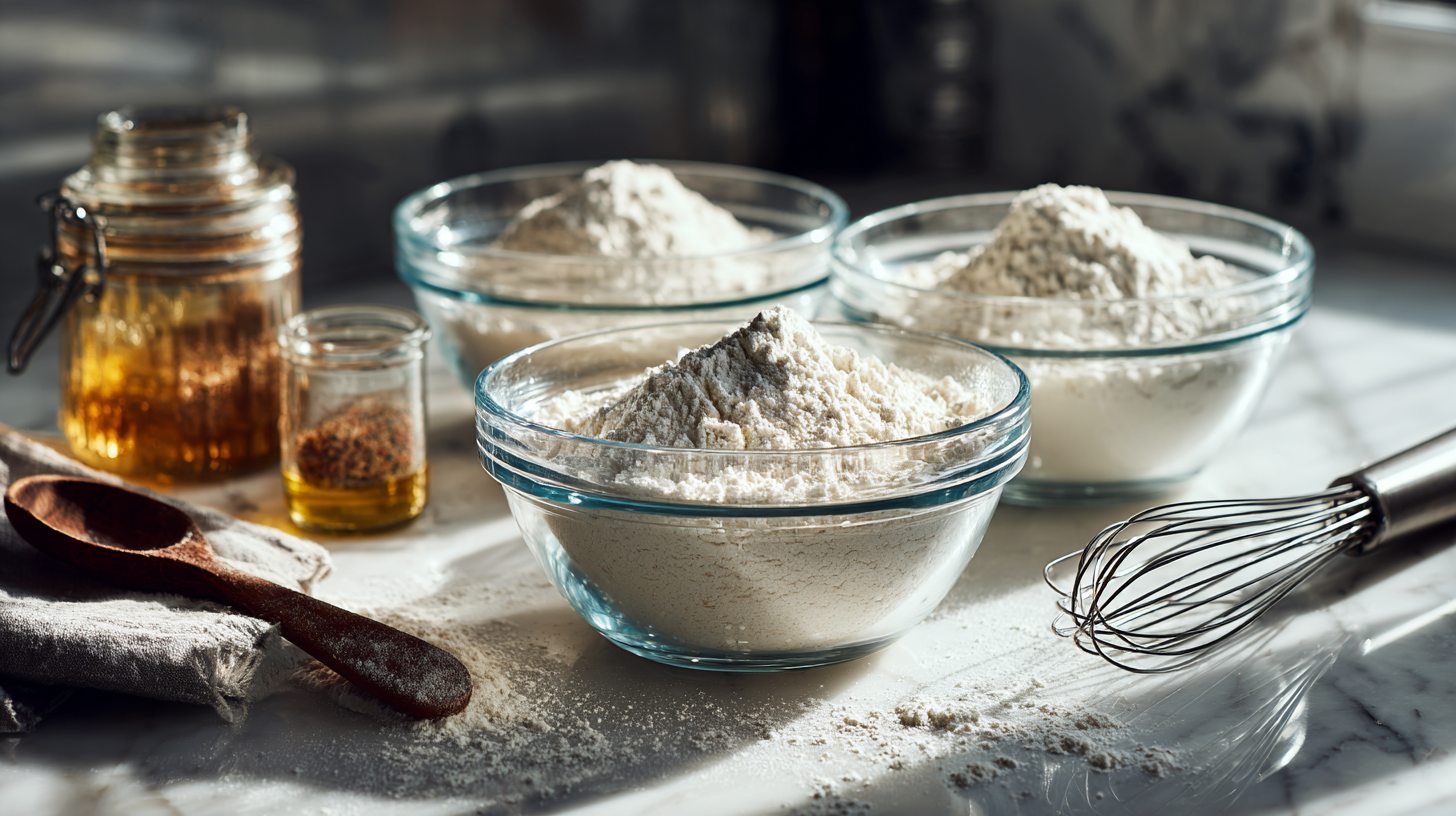
Texture Reality: Gluten-free cakes are often more tender/fragile. They don’t have that chewy “pull” of wheat cake. They can also be gritty if the rice flour isn’t ground finely enough. Letting the batter rest for 20 minutes before baking allows the rice flour to hydrate and softens the grit.
For Celiac guests, remember cross-contamination. You must buy flour labeled “Certified Gluten-Free.” Regular oats or rice flour processed in a wheat facility can contain enough trace gluten to cause illness.
Nut-Free Solutions
Nut allergies (peanuts and tree nuts) are slightly different. Nuts are usually flavorings or mix-ins, not structural components. The challenge here is the supply chain.
The “May Contain” Problem: Many baking ingredients are made on shared lines. Chocolate chips are notorious for this. Sprinkles, dried fruit, and even plain flour can have “may contain traces of nuts” warnings. For a severe allergy, you cannot ignore this. You must read every single label.
Safe Replacements:
- Sunflower Seed Butter: This is a great 1:1 swap for peanut butter in frostings or fillings.
- Warning: When baked with baking soda, sunflower butter can turn green due to a chemical reaction. It is safe to eat, but looks weird.
- Soy Nut Butter: Another safe alternative to peanut butter if soy is allowed.
- Seeds: Pumpkin seeds or sunflower seeds can add crunch in place of chopped walnuts.
- Toasted Oats/Coconut: These can replicate the texture of chopped nuts in a carrot cake.
If a recipe calls for almond flour and you need to be nut-free, do not just swap in wheat flour. The fat content is different. Search for a recipe designed for “oat flour” or a standard nut-free cake recipe instead.
For more flavor ideas, check out Birthday Cake Flavor Combinations That Guests Actually Love.
Preventing Cross-Contamination in Allergy-Friendly Baking
Understanding Cross-Contamination Risks
Imagine you are making an allergy-friendly birthday cake. You bought all the safe ingredients. You have a great recipe. But then, you use the butter knife to level a cup of wheat flour, wipe it on a towel, and use it to slice the vegan butter. You have just contaminated the safe cake.
Cross-contamination occurs when safe food comes into contact with allergens. For severe allergies, microscopic amounts are enough to trigger a reaction.
Common Danger Zones:
- Porous Surfaces: Wooden spoons, wooden cutting boards, and rolling pins can trap allergens in their grain. You cannot scrub them clean enough for a severe allergy.
- Scratched Plastic: Old Tupperware or plastic mixing bowls with scratches can harbor peanut oil or egg protein.
- The Mixer: That stand mixer with flour dust in the crevices? It’s a risk.
- The Oven: If you bake a regular pizza on the rack, cheese or flour might drip. If you then bake a dairy-free cake, those charred bits can smoke and contaminate the air or fall into the pan.
- Airborne Flour: If you poured wheat flour into a canister an hour ago, dust is still settling in your kitchen.
Kitchen Preparation Protocols
If you are baking for a severe allergy, your prep starts before you open a bag of sugar.
The “Super Clean” Protocol:
- Clear the Decks: Remove all other food from the counters.
- Wash Everything: Use hot, soapy water and a fresh sponge or paper towels. Old sponges trap allergens. Wash the counters, the faucet handles, and the mixer body.
- Dedicated Equipment: For strict allergies (like Celiac), I highly recommend using dedicated equipment. Buy a cheap new baking sheet, a metal mixing bowl, and a silicone spatula. Keep them in a separate bag. Use parchment paper to line pans so the cake never touches the metal.
- Timing Matters: Bake the allergy-friendly item first. Do it in the morning before the kitchen gets messy with other cooking. Once it is baked, wrap it tightly and move it to a safe zone.
Workspace Isolation: If you have a large kitchen, set up a “Safe Zone” where no allergens are allowed. If your kitchen is small, the “Time Isolation” method (baking when nothing else is happening) is your best bet.
Ingredient Verification and Storage
Safe baking requires safe ingredients. This means label reading is your new hobby.
The Three-Step Check:
- Ingredients List: Scan for the allergen names (e.g., “whey” or “casein” for milk).
- “Contains” Statement: Look for the bold text at the bottom: “Contains: Wheat, Soy.”
- Advisory Labels: Look for “May contain peanuts” or “Processed on equipment that shares…”
The Hidden Risks:
- Bulk Bins: Never buy ingredients from bulk bins for an allergic guest. You don’t know if the person before you used the almond scoop in the flour bin. Buy sealed packages only.
- Pantry Staples: Your open bag of sugar might be contaminated if you ever dipped a floury measuring cup into it. For a safe dietary birthday cake, buy a fresh, small bag of sugar, baking soda, and baking powder. It is a small cost for safety.
Hand Washing: Wash your hands thoroughly with soap and water before starting. Hand sanitizer does not remove food proteins; it only kills bacteria. You must scrub the allergens off physically.

When Home Baking Isn’t Safe Enough
Sometimes, despite your best intentions, your kitchen just isn’t safe.
If you bake with wheat flour daily, your kitchen is coated in gluten dust. It is on top of the fridge. It is in the drawer slides. Making a cake safe for a highly sensitive Celiac guest in that environment is nearly impossible.
If the allergy is anaphylactic and the family is extremely cautious, acknowledge your limits. “I would love to bake for you, but I don’t feel I can guarantee a 100% sterile environment in my kitchen.” This is not a failure; it is an act of care.
The “Safe Cupcake” Option: This is a common workaround in the allergy community. The host provides a safe, store-bought treat (like a certified cupcake from a dedicated bakery) specifically for the allergic guest. They get their special box while others eat the main cake.
- How to handle it: Ask the guest/parent first. “I want to make sure you have a safe treat. Would you prefer I buy a certified safe cupcake for you, or would you like to bring your own favorite treat?” Many parents actually prefer to bring their own because they trust it 100%.
Making Allergy-Friendly Birthday Cakes That Actually Taste Great
Recipe Selection Strategy
The biggest mistake people make is trying to force a standard recipe to be something it isn’t. Taking a light, airy sponge cake recipe and swapping the flour, eggs, and butter usually results in a weird, rubbery disk.
The “Naturally Free” Advantage: Look for recipes that are already close to what you need.
- Wacky Cake (Depression Cake): This is a classic vintage recipe. It uses vinegar and baking soda for lift, oil for fat, and has no eggs or dairy. It is naturally vegan and delicious. It is moist, chocolatey, and requires zero weird substitutes.
- Flourless Chocolate Cake: This uses almond meal and eggs. It is naturally gluten-free and rich.
- Olive Oil Cake: Naturally dairy-free.
When you start with a recipe designed for the restriction, the chemistry is already balanced.
Sources Matter: Don’t just pick the first result on Google. Look for recipes from dedicated allergy-friendly bloggers who understand the science. Read the comments. If a recipe has 50 comments saying “This fell apart,” believe them.
The Test Run: If this is for a big birthday party, do not let the party day be your first attempt. Allergy-free ingredients vary by brand. Coconut flour from one brand might be more absorbent than another. Make a test cupcake batch a week before. It saves tears on the big day.
Technique Adjustments
Your batter is different, so your technique must change too.
Gluten-Free Tips:
- Rest the Batter: Let your GF batter sit in the bowl for 15-30 minutes before pouring it into pans. This gives the rice flour time to absorb the liquid. It eliminates the gritty texture.
- Lower and Slower: Bake at 325°F instead of 350°F. GF cakes take longer to dry out and set. A lower temp prevents the outside from burning before the middle is done.
- Cool Completely: GF cakes are very fragile when hot. If you try to turn it out of the pan warm, it will crumble. Let it cool 100% in the pan.
Egg-Free Tips:
- Gentle Mixing: You don’t have egg proteins to hold the structure, so don’t beat the air out of the batter. Fold gently.
- Get it in the Oven: If you are using vinegar/baking soda for lift, the reaction starts immediately. Don’t let the batter sit on the counter. Get it in the oven ASAP.
Dairy-Free Tips:
- Chilled “Butter”: Vegan butter can melt faster than dairy butter. Keep your frosting cool. If it gets too soft while piping, pop the piping bag in the fridge for 5 minutes.
Frosting and Decoration Considerations
The cake is baked. Now, don’t ruin it with the decorations.
Frosting:
- Vegan Buttercream: Use high-quality vegan butter sticks and powdered sugar. Add a splash of oat milk and vanilla. It tastes 95% like the real thing.
- Coconut Whipped Cream: Light and airy, perfect for a summer dietary birthday cake.
- Ganache: Dark chocolate (check that it is dairy-free) and full-fat coconut milk make a decadent, glossy glaze.
Decorations:
- Sprinkles: Warning! Many sprinkles contain “Confectioner’s Glaze” (often not vegan) or are made in nut-shared facilities. Look for brands like Sweetapolita or specialized allergy-free sprinkle brands.
- Fresh Fruit: This is the safest and most beautiful decoration. Berries are naturally free of the Big Nine.
- Food Coloring: Gels are usually safe, but always check the label. Some reds use carmine (from beetles), which is not vegan.
By focusing on verified ingredients and careful techniques, you can produce a cake that everyone wants to eat. Next, we will cover exactly how to serve this cake safely and handle the party environment.
Allergy-Friendly & Dietary Birthday Cakes and Cupcakes
How to Safely Order Allergy-Friendly Birthday Cakes from Bakeries
Finding Bakeries That Can Accommodate
Not every bakery can make a safe allergy-friendly birthday cake. In fact, many shouldn’t even try. A beautiful cake from a bakery that doesn’t understand cross-contamination isn’t safe for someone with severe allergies, no matter what the ingredients list says. Finding the right partner is just as important as choosing the right flavor.
You generally have three categories of bakeries to choose from. First, you have dedicated allergen-free bakeries. These are the gold standard. A dedicated nut-free bakery has never allowed a peanut inside the building. A dedicated gluten-free bakery doesn’t own a bag of wheat flour. These places offer the highest safety assurance because the risk of accidental contamination is virtually zero.
Second, you have standard bakeries with allergen-friendly options.
These shops bake regular flour cakes but also offer gluten-free or vegan items. They are a middle ground. They can likely handle a preference or a mild intolerance safely. However, because flour dust hangs in the air and mixers are shared, they often cannot guarantee safety for severe, anaphylactic allergies.
Third, you have grocery store and commercial bakeries. These high-volume environments are usually the riskiest. Speed is the priority here, not sterile protocols. Cross-contamination is almost guaranteed.
So, how do you find the safe ones? Start by searching for specific terms like “nut-free bakery [your city]” or “dedicated gluten-free bakery.” Don’t just search for “best cakes.” Local allergy groups on Facebook are treasure troves for this. Parents of allergic children have already done the vetting. If you are planning a party for a specific guest, ask them! They likely have a trusted spot they use for their own birthdays.
If you live in a smaller town, you might not have a dedicated facility nearby. That doesn’t mean you are out of luck. Many excellent specialty bakeries now ship dietary birthday cake options nationwide. They use specialized packaging to keep cakes safe and fresh. It costs more, but the peace of mind is often worth it.
Questions to Ask Before Ordering
Ordering an allergy-safe cake requires a different script than ordering a standard one. You need to be a bit of a detective. If a baker seems annoyed by your questions, that is your cue to walk away. Irritation suggests they don’t take safety seriously. A professional who understands allergies will expect these questions and answer them confidently.
Start with the ingredients. “Does this recipe contain [allergen]?” sounds obvious, but ask it. Then go deeper. “What brand of chocolate chips do you use? Can you verify they are dairy-free?” Many commercial ingredients have hidden allergens. A safe baker knows exactly what is in their pantry.
Next, ask about the facility. “Is this cake made in a facility that also processes peanuts?” If the answer is yes, ask about their protocols. “How do you prevent cross-contamination? do you use dedicated mixers? Do you bake allergy-friendly items first thing in the morning?”
Don’t forget the post-baking handling. “How will this cake be stored before I pick it up?” I have seen safe cakes ruined because they were stored on a shelf directly below a pecan pie. Gravity happens. Crumbs fall. A safe cake needs to be boxed and stored separately or on a top shelf.
Listen to the tone of the answers. Vague responses like “Oh, we’re super careful, don’t worry” are red flags. You want specifics. “We scrub and sanitize the stainless steel tables, use a dedicated color-coded mixer bowl, and bake gluten-free items on Tuesdays when no flour is present.” That is the answer of a pro.
Dedicated Allergen-Free Bakeries — What to Expect
If you are lucky enough to have a dedicated bakery nearby, the experience is different. The consultation feels more like a medical intake than a cake tasting. They will ask you specifically: “Is this for a contact allergy? Is it airborne? Are there other sensitivities?”
They ask because they care and because they understand the stakes. They won’t look at you like you are high-maintenance; they will look at you like a partner in safety.

Expect to pay a premium. Dedicated allergy-friendly birthday cake bakeries are expensive to run. Almond flour costs four times as much as wheat flour. Safe chocolate chips are pricey. They bake in smaller batches. You are paying for the ingredients, yes, but you are mostly paying for the safety assurance.
The final product will be delicious, but manage your expectations regarding style. Some towering, gravity-defying designs require structural tricks that rely on gluten or egg whites. A dedicated bakery knows what their ingredients can do. Trust their advice. If they say a certain design won’t work with vegan buttercream, believe them.
Working with Standard Bakeries
If a specialist isn’t an option, you can work with a standard bakery, but you must be the project manager.
Find a bakery that does custom work. They are used to specific requests. Call ahead—don’t just walk in during the Saturday morning rush. Ask to speak to the head baker or owner. Explain the situation clearly. “I need a birthday cake for a guest with a severe egg allergy. Is that something you are comfortable handling safely?”
If they say yes, set them up for success. Write down the restrictions. Don’t rely on verbal instructions passed from the counter staff to the decorator. Ask if they can bake your order as the first item of the day, before the kitchen gets messy.
You must also accept the risk. A standard bakery can never be 0% risk. There is always a chance of human error or airborne flour. If the allergy is life-threatening, I often advise against this route unless you know the baker personally and trust their protocols implicitly. For a mild intolerance or a dietary preference, however, a willing standard bakery is often a fantastic resource.
Birthday Cakes for Specific Dietary Needs
Vegan Birthday Cakes
Vegan cakes are entirely plant-based. No eggs, no butter, no milk, no honey. The challenge here is replacing the structure (eggs) and the fat (butter) simultaneously.
The best vegan cakes aren’t “regular cakes with weird substitutes.” They are cakes that thrive on oil and liquid. This is why chocolate cake is the vegan MVP. Many classic chocolate cake recipes are naturally vegan or easily adapted because cocoa powder covers the flavor of any substitute.
Key Ingredients:
- Fats: High-quality oil (grapeseed, canola) or vegan butter sticks.
- Liquids: Soy milk creates the best structure due to its protein content. Oat milk is a close second.
- Binders: Vinegar mixed with baking soda creates lift. Applesauce or commercial egg replacer binds the crumbs.
Frosting: This is the easy part. Vegan butter sticks substitute 1:1 for dairy butter. Beat them with powdered sugar, vanilla, and a splash of oat milk, and you have a buttercream that rivals any dairy version. For a lighter option, chilled full-fat coconut cream whips into a beautiful cloud-like topping.
Keto and Low-Carb Birthday Cakes
Keto baking is a different beast. You aren’t just swapping ingredients; you are swapping chemistry. You are removing flour (structure) and sugar (moisture/tenderizer).
Keto cakes rely heavily on almond flour. This gives them a distinct texture—slightly coarser and moister than wheat cakes. They won’t be light and fluffy like an angel food cake. They are rich and dense.
Sweeteners:
- Erythritol: The most common keto sweetener. It can have a “cooling” sensation in the mouth, like mint without the flavor.
- Allulose: Browns like sugar and doesn’t have the cooling effect, but it is pricey.
- Monk Fruit: Often blended with erythritol to balance the flavor.
Expectations: Let the birthday person know what to expect. A keto dietary birthday cake is delicious, but it tastes like a keto cake. It is nutty and rich.
For frosting, cream cheese is your best friend. It is naturally low-carb and high-fat. Sweeten it with powdered erythritol for a tangy, creamy finish that masks any “alternative” flavors in the cake base.
Sugar-Free Birthday Cakes
Sugar-free cakes are often for guests managing diabetes. Unlike keto, these cakes might still contain flour (carbs), just not added sugar.
Sugar does more than sweeten; it keeps cakes moist and helps them brown. When you take it out, cakes can become pale and dry. Ingredients like applesauce or yogurt help put that moisture back in.
Substitutes: Granulated substitutes like Splenda (sucralose) or Swerve work well for measuring. Liquid stevia is tricky—it provides sweetness but no bulk, so you lose volume in the batter.
The “Sidecar” Strategy: If only one guest is diabetic, you don’t necessarily need to make the whole 12-inch cake sugar-free. Sugar substitutes are expensive and can cause digestive upset in large amounts for some kids. Consider making a small batch of sugar-free cupcakes for the diabetic guests so they can participate safely, while serving standard cake to the rest of the party.
Multiple Simultaneous Restrictions
Here is the final boss level: The Gluten-Free Vegan Cake. Or the Keto Nut-Free Cake.
When you stack restrictions, you lose your safety nets. You can’t use eggs for structure (vegan) AND you can’t use gluten for structure (GF).
Strategy: Start with the most limiting restriction.
- Find a reliable vegan recipe.
- Check if you can swap the flour for a GF blend.
Usually, recipes designed for the combination are better than adapting. Search specifically for “Gluten-Free Vegan Vanilla Cake.” These recipes often rely on specific blends of sorghum flour and starches to do the heavy lifting.
Know When to Fold: If you need a cake that is Keto AND Nut-Free AND Egg-Free, you are running out of chemistry. Almond flour is out (nuts). Coconut flour is out (usually). Eggs are out. At this point, you are building a cake out of hope and shadows. This is a moment to call a specialist bakery or consider a different dessert entirely, like a fruit-based celebration dish.
Making Allergy and Dietary Guests Feel Included, Not Othered
The Inclusion Mindset
Physical safety is the baseline. The real goal is emotional safety. We want to avoid the “sad cupcake” phenomenon—where the allergic guest gets a plastic-wrapped, dry muffin from the freezer while everyone else eats a slice of a magnificent, fresh layered allergy-friendly birthday cake.
Exclusion feels terrible. It feels like being a burden. It feels like you are tolerated, not welcomed.
Inclusion says: “I thought about you. I wanted you to have the same joy as everyone else.”
Communication Before the Party
Inclusion starts weeks before the party. We talked about asking for restrictions on the invite. The next step is the follow-up.
Text the parent or guest: “Hey! I saw you noted a dairy allergy. I’m planning to order a vegan chocolate cake from [Bakery Name] so everyone can eat the same thing. Does that work for you?”
This simple text does two things. First, it reassures them that they won’t starve. Second, it gives them a chance to say, “Actually, we are strictly nut-free too, and that bakery uses almonds.” You catch issues early.
For severe allergies, give them all the details. Send a photo of the ingredient label. It isn’t annoying; it is reassuring.
Presentation and Service Strategies
The “Same but Safe” Approach: This is my favorite method. If you can make a delicious dietary birthday cake that fits everyone’s needs (like a really good vegan chocolate cake), do it. Nobody even needs to know it is “special.” Everyone eats together. It is seamless inclusion.
The “Beautiful Alternative” Approach: If you must serve a separate item (e.g., a gluten-free cupcake while others have regular cake), make it stunning. Do not serve it in a plastic clamshell. Put it on a beautiful matching plate. Frost it with the same colors as the main cake. Put a candle in it. Treat it like a VIP dessert, not a medical necessity.
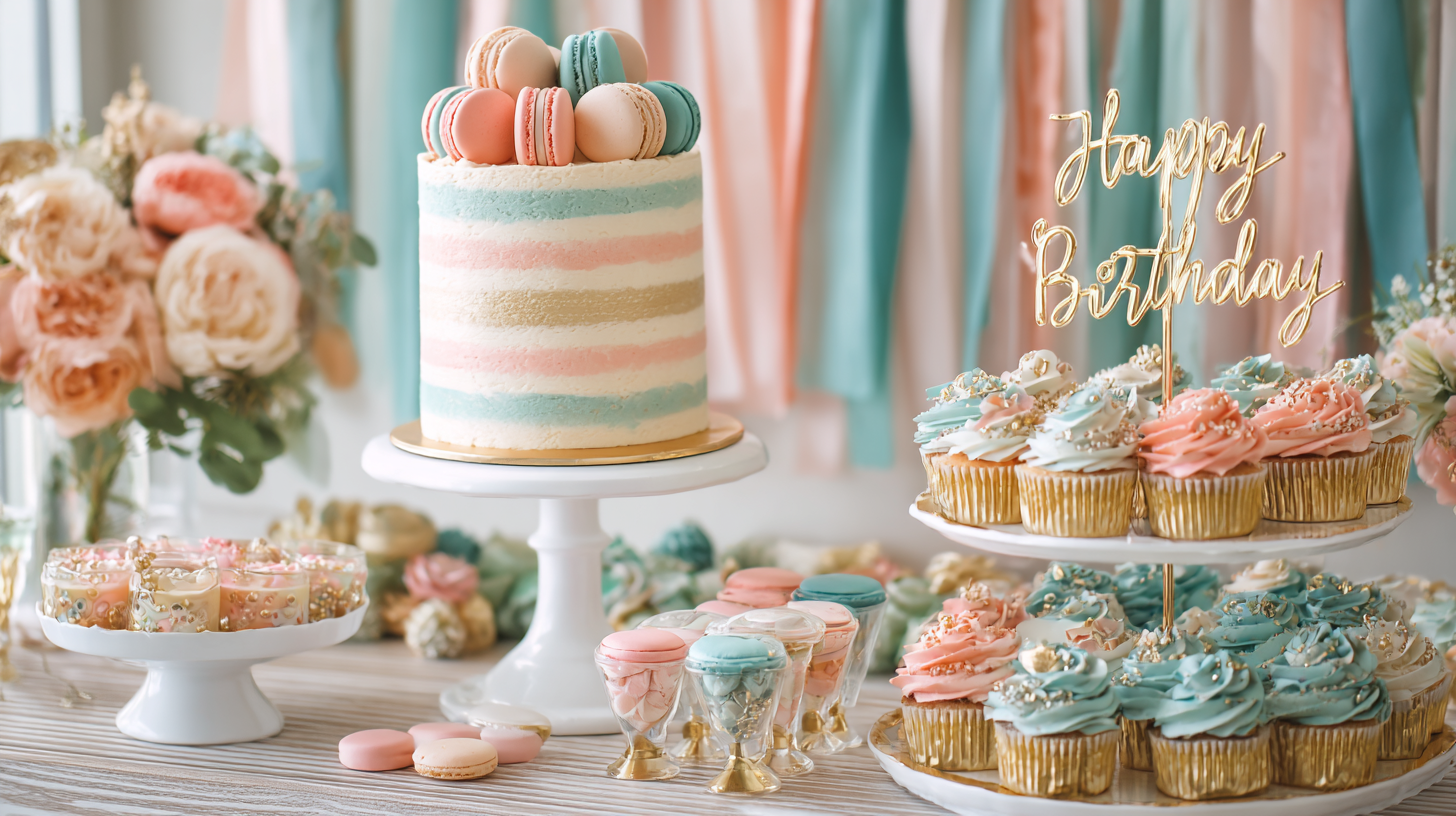
The “Multiple Options” Approach: Instead of one big cake, do a cupcake tower or a dessert bar. Label everything clearly. “Vanilla (contains eggs/wheat)” and “Chocolate (Vegan/GF).” This gives the allergic guest agency. They get to choose, just like everyone else.
Service Logistics: Keep the safe items separate. Use a different color server for the allergy-safe cake so you don’t mix them up. If guests are serving themselves, put the allergy-friendly items on a separate small table to prevent someone from dropping a crumb of regular cake onto the safe platter.
When the Birthday Person Has Restrictions
If the birthday VIP has the allergy, their cake must be the main event.
Do not make them blow out candles on a “special cupcake” while the guests eat a “real cake.” The big cake—the one in the photos, the one everyone sings to—must be safe for the birthday person to eat.
If that cake is too expensive or difficult to make large enough for everyone, use a smaller safe cake for the blowing out of candles and the first slice. Serve matching sheet cake (that might contain allergens) to guests after the main moment. But the visual centerpiece must belong to the birthday person.
Allergy-Friendly Birthday Cake Quick Reference Guide
Substitution Quick Reference
Need answers fast? Here is your cheat sheet.
Egg Substitutes (1 Egg = )
- Flax Egg: 1 tbsp ground flax + 3 tbsp water (Let sit 5 mins). Best for: muffins, chocolate cake.
- Applesauce: 1/4 cup unsweetened. Best for: moist spice cakes.
- Commercial Replacer (Bob’s/Ener-G): Follow box instructions. Best for: vanilla cake, cookies.
- Aquafaba: 3 tbsp chickpea liquid. Best for: light cakes, meringues.
Dairy Substitutes (1:1 Ratio)
- Milk: Oat milk (creamy/neutral), Soy milk (structure), Almond milk (light).
- Butter: Vegan butter sticks (Miyoko’s, Earth Balance). Avoid tub margarine.
- Buttermilk: 1 cup non-dairy milk + 1 tbsp vinegar/lemon juice.
Gluten-Free Flour
- Cup-for-Cup Blends: King Arthur Measure for Measure, Bob’s Red Mill 1-to-1.
- Note: If your blend lacks Xanthan Gum, add 1/4 tsp per cup of flour.
Common Allergen Hiding Spots
Check these sneaky ingredients twice.
- Chocolate Chips: Often contain milk fat or soy lecithin.
- Sprinkles: Glazes often contain beetle shell (not vegan) or egg whites.
- Baking Powder: Some brands use wheat starch (rare, but possible).
- Soy Sauce/Flavorings: Almost always contain wheat.
- Artificial Butter Flavor: Often contains actual dairy derivatives.
- Vegetable Cooking Spray: Some contain soy or flour for anti-sticking.
Bakery Order Checklist
Take this list with you when you call the bakery.
- [ ] Recipe Check: Does the cake contain [Allergen]?
- [ ] Facility Check: Is [Allergen] present in the building?
- [ ] Cross-Contamination: Do you use dedicated mixers/pans?
- [ ] Schedule: Can my order be baked first in the day?
- [ ] Ingredients: Can you verify the brand of chocolate/flour used?
- [ ] Decorations: Are the sprinkles and food dyes safe?
- [ ] Storage: Will this be stored on a top shelf/separate fridge?
Creating Safe, Joyful, Inclusive Birthday Celebrations
We have covered a lot of ground. You now understand the Big Nine allergens, the science of substitutions, the strict protocols for cross-contamination, and the art of ordering from a bakery.
It can feel overwhelming. I get it. The first time you try to bake a gluten-free, egg-free cake, you might feel like you need a chemistry degree. But remember why you are doing this.
You are doing this so a child doesn’t have to sit alone while their friends eat cake. You are doing this so a friend with Celiac disease doesn’t have to fear for their health at your party. But the main reason that you are doing this is to bring joy.
Hospitality is about making people feel safe and welcome. Providing a dietary birthday cake is one of the most tangible forms of hospitality there is. It says, “You belong here.”
It doesn’t have to be perfect. If your vegan cake is a little denser than usual, or your gluten-free cupcakes are slightly crumbly, that is okay. The effort matters more than the crumb structure. A safe, slightly dense cake eaten in the company of friends is infinitely better than a “perfect” cake that excludes someone.
You have the tools & the checklists. You can do this!
Frequently Asked Questions About Allergy-Friendly Birthday Cakes
Can I make a cake that’s free of multiple allergens at once?
Yes, but it gets harder with each restriction you add. A cake that is just egg-free is easy. A cake that is gluten-free, vegan, nut-free, and soy-free is a chemistry challenge. My advice is to stop trying to adapt standard recipes. Instead, search for a recipe specifically designed for your combination (e.g., search for “Top 8 Allergen Free Chocolate Cake”). These recipes use specific blends of starches and binders to replace the missing structure. If you have 3+ severe restrictions, a specialist bakery is often the safest bet.
How far in advance can I make an allergy-friendly cake?
Generally, you can make them 1-2 days ahead, just like regular cakes. In fact, gluten-free cakes often taste better the next day because the rice flour has time to absorb moisture, softening any grit. However, they can dry out faster than wheat cakes. The secret is storage. Wrap the layers tightly in plastic wrap and store them at room temperature (or freeze them if baking more than 2 days out). Frosting seals in moisture, so a fully frosted cake stays fresh for 2-3 days.
What if I’m not confident I can prevent cross-contamination at home?
Honesty is the best policy. If your kitchen is small and you use wheat flour daily, you might not be able to guarantee a Celiac-safe environment. That is okay! Acknowledging this protects your guest. In this case, buy a certified safe treat from a dedicated bakery, or talk to the guest’s family. Ask, “I want to keep you safe, and I’m worried my kitchen isn’t sterile enough. Would you prefer to bring a trusted treat, or can I order something safe for you?” They will appreciate your caution.
Do allergy-friendly cakes taste as good as regular cakes?
The short answer is: they can! A good vegan chocolate cake is often indistinguishable from a regular one. A well-made gluten-free almond cake is moister and richer than a wheat sponge. However, if you try to make a low-fat, sugar-free, gluten-free, vegan angel food cake… it will probably taste like cardboard. The key is choosing the right flavor profile for the restriction. Rich, dense, and flavorful cakes hide substitutions better than delicate, plain vanilla ones.
How do I handle a party where only one guest has allergies?
You have two main options. First, you can make the entire cake allergy-friendly (the “Same but Safe” method). This works great for restrictions like “nut-free” or “egg-free” where the taste difference is minimal. Second, you can serve a standard cake for the majority and provide a special, high-quality safe cupcake for the allergic guest. If you do this, make sure the safe option looks just as festive and special. Coordinate the frosting colors so they feel like part of the same set.
What brands can I trust for allergen-free baking ingredients?
Trust is huge in the allergy community. For gluten-free flour, King Arthur and Bob’s Red Mill are rigorous about testing. If you are looking for chocolate, Enjoy Life and Pascha are dedicated free-from brands (no shared equipment). For butter, Miyoko’s Creamery and Earth Balance are standards. Always, always check the label every time you buy, as manufacturing processes can change. If you are ever unsure, call the company’s customer service number on the package.





Leave a comment
You must be logged in to post a comment.