





The Birthday Cake Ceremony: Timing, Presentation & Capturing the Moment
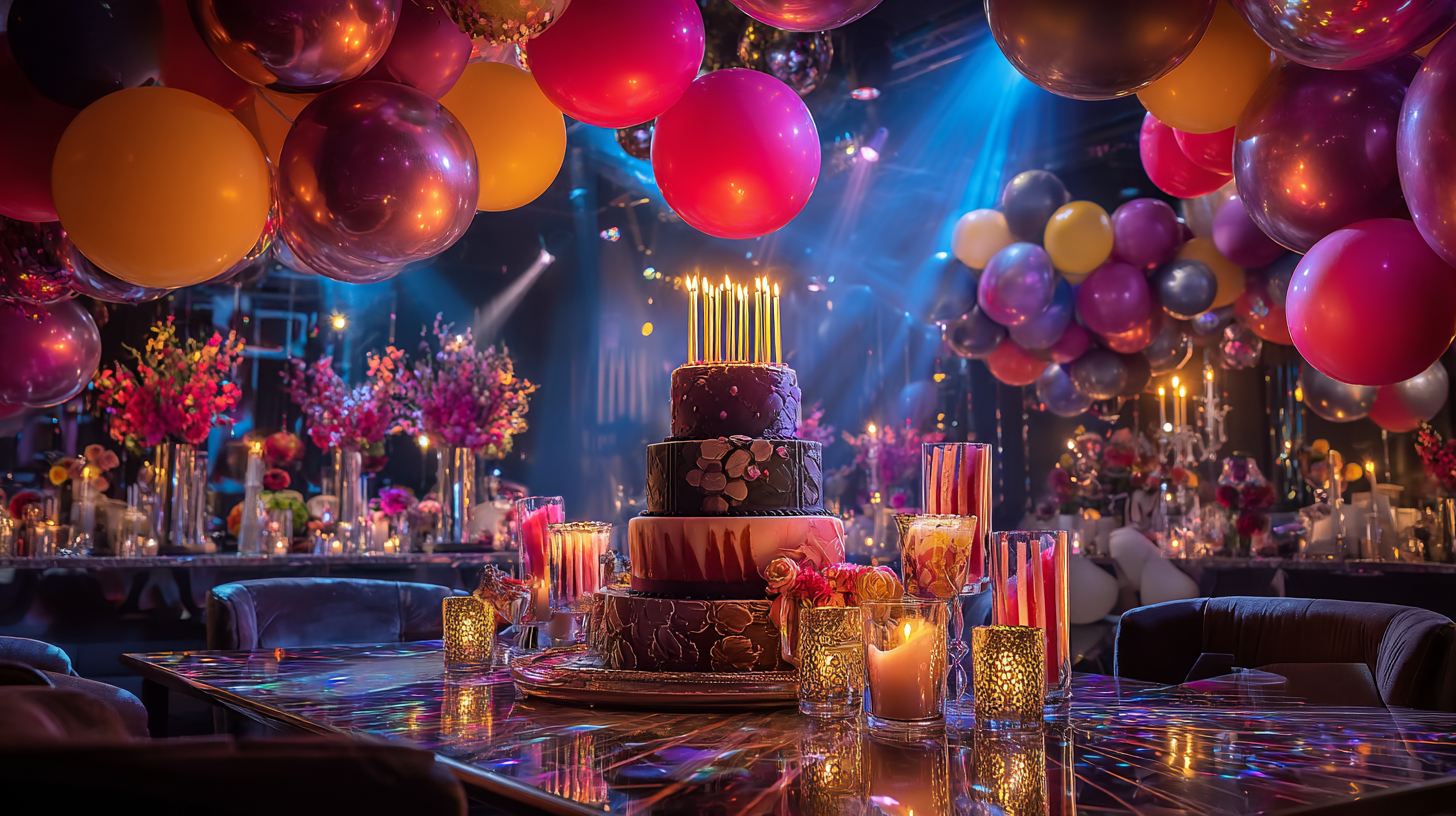
WhenPicture the perfect birthday cake moment. The room falls quiet, a hush of anticipation settling over the crowd. The lights dim just enough to make the room feel intimate. Suddenly, a glow appears from the hallway. Guests naturally form a perfect arc around the guest of honor, leaving a clear view for everyone. The singing swells up together, loud and heartfelt, pitch-perfect and joyful. The birthday person’s face is illuminated by the soft candlelight, glowing with genuine happiness. They close their eyes, take a breath, and make a wish in a moment of held breath. One strong breath extinguishes the flames, and the room erupts in applause. Someone captures a photo that perfectly freezes that joy in time.
Now, contrast that with the birthday cake presentation that happens without planning. Someone yells “Cake time!” while half the guests are in the bathroom or grabbing a fresh drink. People scramble for positions, elbows out, blocking the view. Phones appear everywhere, creating a wall of screens between the birthday person and their friends. The candles have been burning so long they are dripping wax onto the frosting. The singing is ragged—some start before others, the key is too high, and it trails off uncertainly. The birthday person looks uncomfortable, unsure where to look. The photos show the tops of heads, awkward angles, and a cluttered background of dirty dishes.
Most cake moments fall somewhere between these two extremes, and that is completely fine. Real life is rarely cinematic perfection. However, a little planning transforms the ceremony from something that just happens into something that happens beautifully. The difference isn’t luck. It isn’t about having an expensive venue or a professional baker. The difference is a host who thought through the timing, positioned the cake for impact, and had a simple plan for capturing the moment.
In Birthday Cakes and Cupcakes: The Complete Celebration Guide, I covered the basics of choosing flavors and sizes. This pillar post goes deeper. We are moving beyond the recipe and into the orchestration.
I have attended parties where the cake tasted amazing but the moment fell flat because it felt rushed or chaotic. I have also been to simple gatherings where a grocery store sheet cake felt like a royal presentation because the timing was right and the mood was set perfectly. This guide covers the specific timing windows for different party types, the positioning strategies that make photos pop, and the coordination scripts that help you manage guests effortlessly. This is about giving the birthday cake ceremony the attention it deserves.
When to Bring Out the Birthday Cake: Timing Strategies That Work
Reading the Party Energy
The right moment for cake is rarely determined by a clock. It is determined by the energy in the room. If you stick rigidly to a schedule written on a notepad three days ago, you might miss the organic peak of the party. You need to read the room.
Bring the cake out too early, and guests haven’t settled in yet. They might still be arriving, greeting one another, or getting their first drink. The connection hasn’t formed yet. Bring it out too late, and the energy has flagged. Guests might be checking their watches, thinking about the drive home, or feeling overstuffed from a heavy meal.
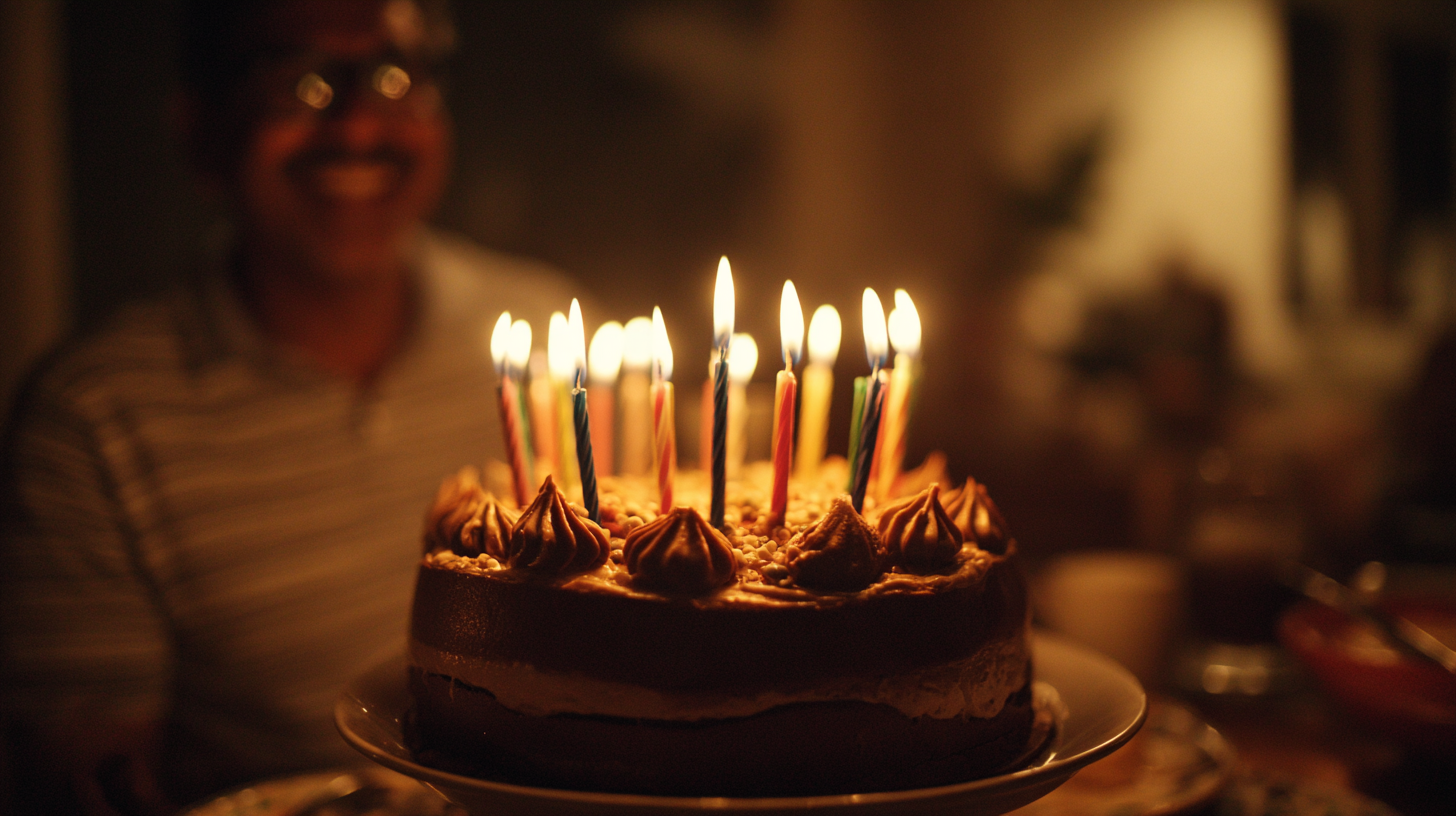
You want to catch the wave just before it crests. Look for what I call “connected energy.” Guests have arrived and settled. Small groups have merged into larger conversations. The mood is warm. People are present rather than scattered. Most importantly, the birthday person is visible, accessible, and having a good time.
There are also clear indicators that it is not the birthday cake presentation moment. If the doorbell is still ringing frequently, wait. When the guest of honor is deep in an important conversation with an old friend, do not interrupt them with a cake. If you are hosting a party with kids and there is a meltdown happening in the corner, pause. Wait for the calm. If major activities are still in progress—like a game or a hired entertainer—let them finish completely.
Sometimes, that “right moment” doesn’t arrive naturally. The energy stays scattered, or the party starts to drag. In those cases, you have to create the moment. The cake ceremony is a powerful tool for resetting party energy. It consolidates the room. If things feel disjointed, the cake brings everyone to a single focal point. If guests are starting to drift toward the door, do it immediately before the room empties. Reading energy is the goal; pragmatic timing is the backup.
Timing by Party Type
Different celebrations have different rhythms. Optimal timing varies significantly depending on who you are celebrating.
For young children (under six), the clock is ticking loudly. The optimal window is usually sixty to ninety minutes into a two-hour party. Young kids have limited attention spans and emotional bandwidth. Waiting too long risks a meltdown right during the ceremony. They get tired, overstimulated, and hungry. Serving cake relatively early also serves as a distinct transition point in the party flow, signaling that the high-energy play is done and the winding down has begun.
For older kids (ages six to twelve), you have more flexibility. The cake often works best after major activities. If you have a magician, a scavenger hunt, or a pool session, the cake works as the closer. It allows them to refuel before pickup.
Adult gatherings differ significantly. For casual adult parties, the cake often follows the food as a natural dessert course. However, don’t wait too long after the meal clears. There is a lull that happens after eating—the “food coma.” Strike while people are still seated or milling about near the food.
For cocktail parties where there isn’t a sit-down meal, aim for ninety minutes to two hours in. This ensures everyone has arrived and had a drink, but nobody is leaving yet. It breaks up the mingling and provides a focal point.
Surprise parties operate on their own timeline. The cake should come relatively early, riding the energy of the surprise reveal. I will touch on this more in the special considerations section below, but generally, do not wait hours at a surprise party to cut the cake.
Milestone celebrations often have a formal schedule. These events usually tie the cake to speeches or toasts. The cake presentation acts as the visual punctuation mark to the heartfelt words being spoken.
Address the difference between a “scheduled event” and an “organic moment.” Parties with entertainment or rented venues have natural hard stops and scheduled slots. Unstructured home gatherings require you, the host, to manufacture the structure.
Coordinating the Countdown
The transition from “party in progress” to “cake moment” requires coordination that many hosts neglect. You cannot just stand up and shout “Cake!” and expect magic.
Fifteen to twenty minutes before you plan to sing, do a quiet preparation round. Check your list. Confirm the cake is actually ready—out of the box, on the platter, and staged in the kitchen or side table. Confirm the candles are pressed into the frosting but not lit yet. Verify your lighter works. I cannot tell you how many times I have seen a host clicking a dead lighter while thirty guests stand in awkward silence. Confirm your cake carrier knows their role. If you have hired a photographer or asked a friend to take photos, give them the nod.
The guest-gathering process matters immensely for a smooth birthday cake presentation. Don’t scream over the music. Start subtly. Turn the music down slightly. Move through the room and say, “Let’s all head to the dining room—we’re going to do cake in just a minute.” This gives people sixty to ninety seconds to finish a conversation, put down a drink, or use the restroom. It feels inviting rather than commanding.
For formal events, a microphone announcement works perfectly. For casual events, the personal circulation method is best. You want the group to condense naturally.
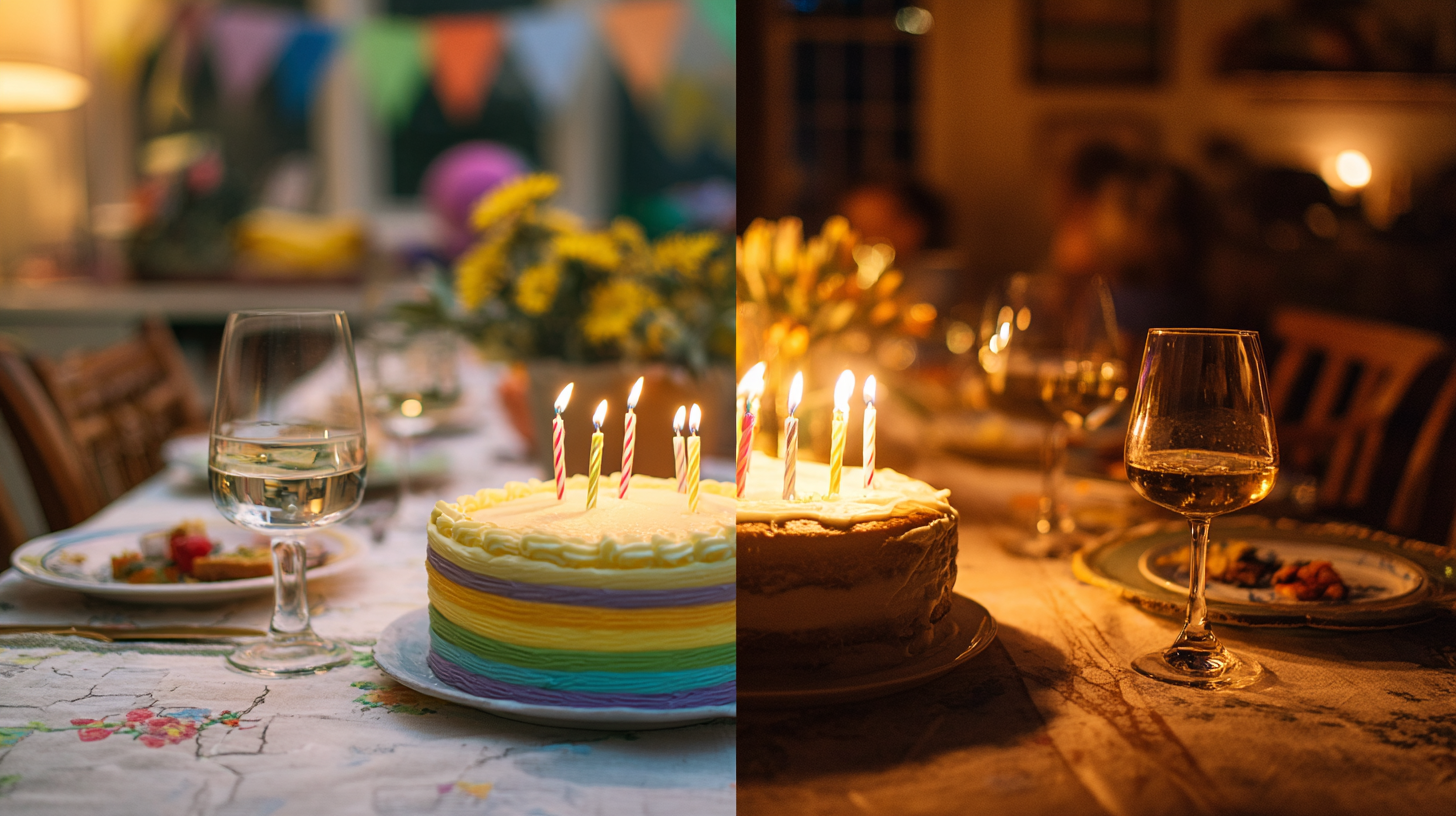
Then comes the specific reveal moment. Light the candles just before you walk out. Do not light them while guests are assembling. You will lose half the wax to melting before the song even starts. Dim the lights before or exactly as the cake enters the room. Walk slowly. This isn’t a race. Walking slowly lets guests process what is happening. It lets them turn their heads. It lets the photographer get focus. Position the cake in front of the birthday person and pause. These final thirty seconds are when the magic happens—don’t rush them.
Special Timing Considerations
Surprise parties require a specific strategy. The emotional peak is the surprise moment itself—the “Surprise!” shout. The cake acts as a second peak. It should come relatively quickly after the initial shock wears off—usually within twenty to forty minutes. Emotions are still high. Adrenaline is pumping. Waiting two hours means the energy drops back to normal levels, and the cake becomes just dessert. Keep the energy high by stacking the highlights.
Milestone birthdays—usually 21st, 40th, 50th, or 80th celebrations—often tie the cake to formal elements like speeches. Clear planning prevents the confusion of “Should we do cake now or wait for Uncle Bob’s speech?” Typically, the flow works best as: Speeches first, concluding with the most important toast. As that toast ends, the cake is presented. The cutting of the cake signals the end of the formal program and the return to partying.
You may also face multi-cake situations. Perhaps you have a display cake and a sheet cake for serving, or separate gluten-free or vegan options. All ceremonial cakes should be present during the ceremony if possible, but only light the main one. If the dietary cakes are small or unattractive, keep them staged nearby but not center stage. Bring out the ceremonial cake for the moment, sing, blow the candles, and then reveal the other options immediately when serving begins. For more on handling different cake types, see When to Bake, How to Store, and Transporting Birthday Cakes Safely.
Birthday Cake Presentation: Creating Visual Impact
Positioning and Background
Where the cake appears and what lies behind it dramatically affects the moment’s impact. It also dictates how your photos turn out. The background behind the cake and the birthday person appears in every single picture taken during the song.
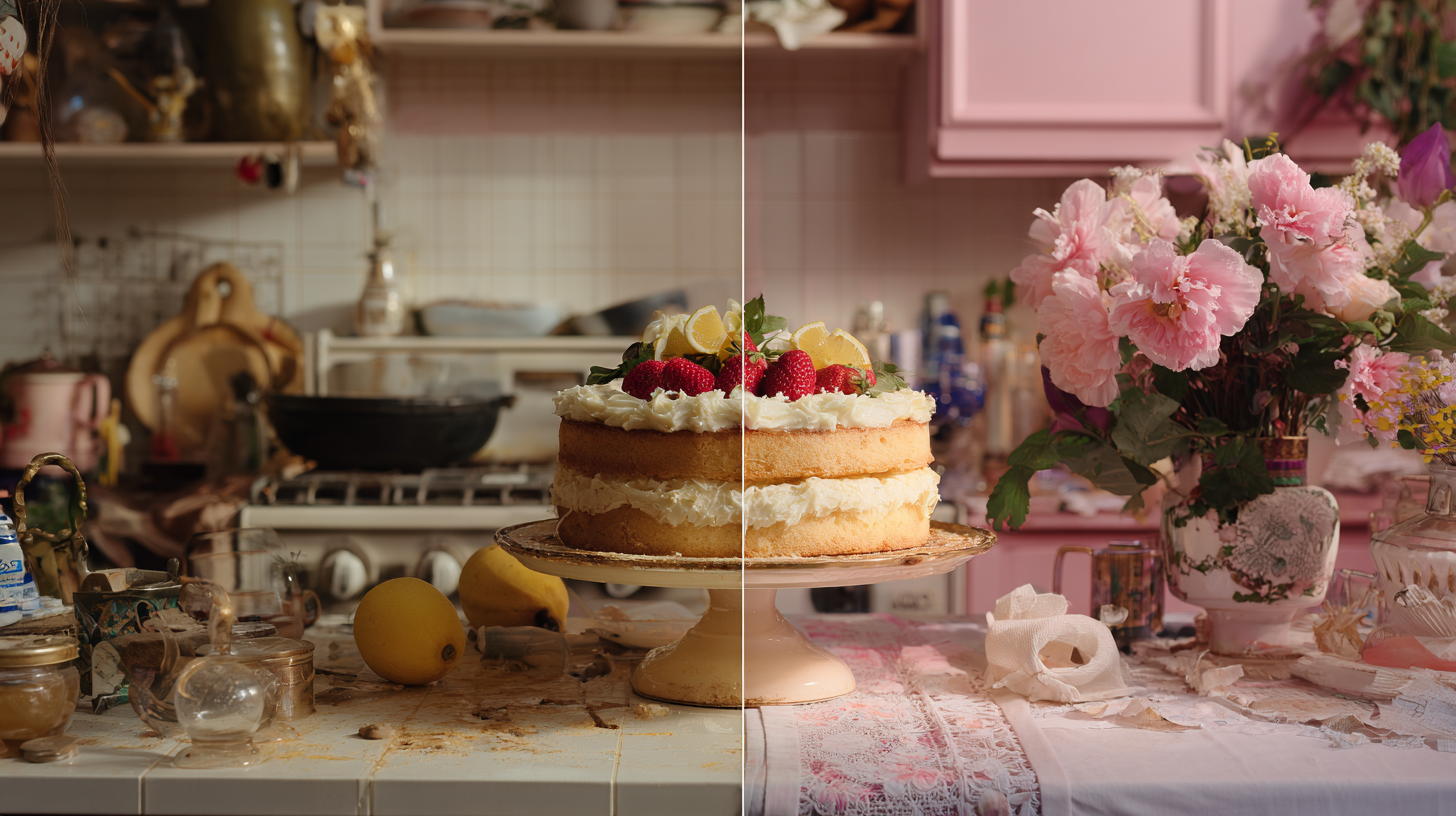
A clean, uncluttered background makes the people the clear focus. If you position the cake in front of a kitchen counter piled with dirty prep bowls, half-empty soda bottles, and a trash can, that is what everyone will remember. If your space lacks an ideal blank wall, create one. A solid tablecloth hung neatly behind the cake table works wonders. A simple banner or a balloon arch provides intentional framing. Even simply clearing a specific corner of the room makes a huge difference.
Position the cake where guests can actually see it. This seems obvious, yet often the cake ends up in a corner blocked by the refrigerator. Against a wall is great because it forces guests to gather in a semicircle facing the birthday person. A central island works well if you want guests surrounding the moment, but be aware that the birthday person will have their back to half the room.
Avoid positions with major obstructions. Don’t put the cake behind a tall floral arrangement. Leave space for the birthday person to approach. They need to be able to lean over the candles comfortably without knocking anything over.
Consider the photographer’s position. Where will they stand? They need a clear line of sight to the birthday person’s face. If the cake is against a wall, ensure there is room to the side or front for the camera.
Lighting is critical for a stunning birthday cake presentation. Natural daylight is beautiful for portraits, but it kills the magic of candlelight. If you are hosting a daytime party, dim the lights and close the curtains for the candle moment. You want the room dim enough for the candle glow to be magical, but bright enough for the birthday person’s face to be captured clearly by a camera sensor. If it’s pitch black, the phone cameras will flash, washing out the natural glow. Aim for “twilight” levels.
The Cake Table Setup
The table holding the cake is part of the presentation, not just a platform. The surface needs to be stable—no wobbly card tables. Height should be appropriate. Standard dining height is fine, but slightly lower is better for children so they can blow out candles without being lifted.
Cover the table with a clean cloth coordinated with your party colors. A bare plastic table kills the vibe. A cake stand that elevates the cake creates significantly better visibility than a cake sitting flat on a plate. It lifts the visual focal point.
Decorative elements frame the cake without overwhelming it. Small decorations around the base—fresh flowers, coordinated candies, or themed items—create a finished look. Banners can appear behind or above, but ensure they don’t droop into the frosting. Balloons are festive but tricky; they can crowd the immediate cake space or block views if they aren’t weighted down properly. The cake is the star; the decoration is the supporting cast.
Think about the practical items you need nearby but don’t necessarily want in the “official” photos. Have the cutting knife and server accessible but not prominently displayed on the tablecloth. Have plates and forks staged for after the song, perhaps on a sidebar. Ensure the lighter or matches are in someone’s pocket, not cluttering the table. Think through what you will need immediately after the applause dies down and have it accessible but invisible.
Candle Selection and Arrangement
Candle decisions affect both safety and aesthetics. Traditional thin birthday candles are the classic choice for a reason—they light easily and blow out quickly. However, number candles showing the age create clear visual communication. They look great in photos and save you from poking forty holes in the fondant.
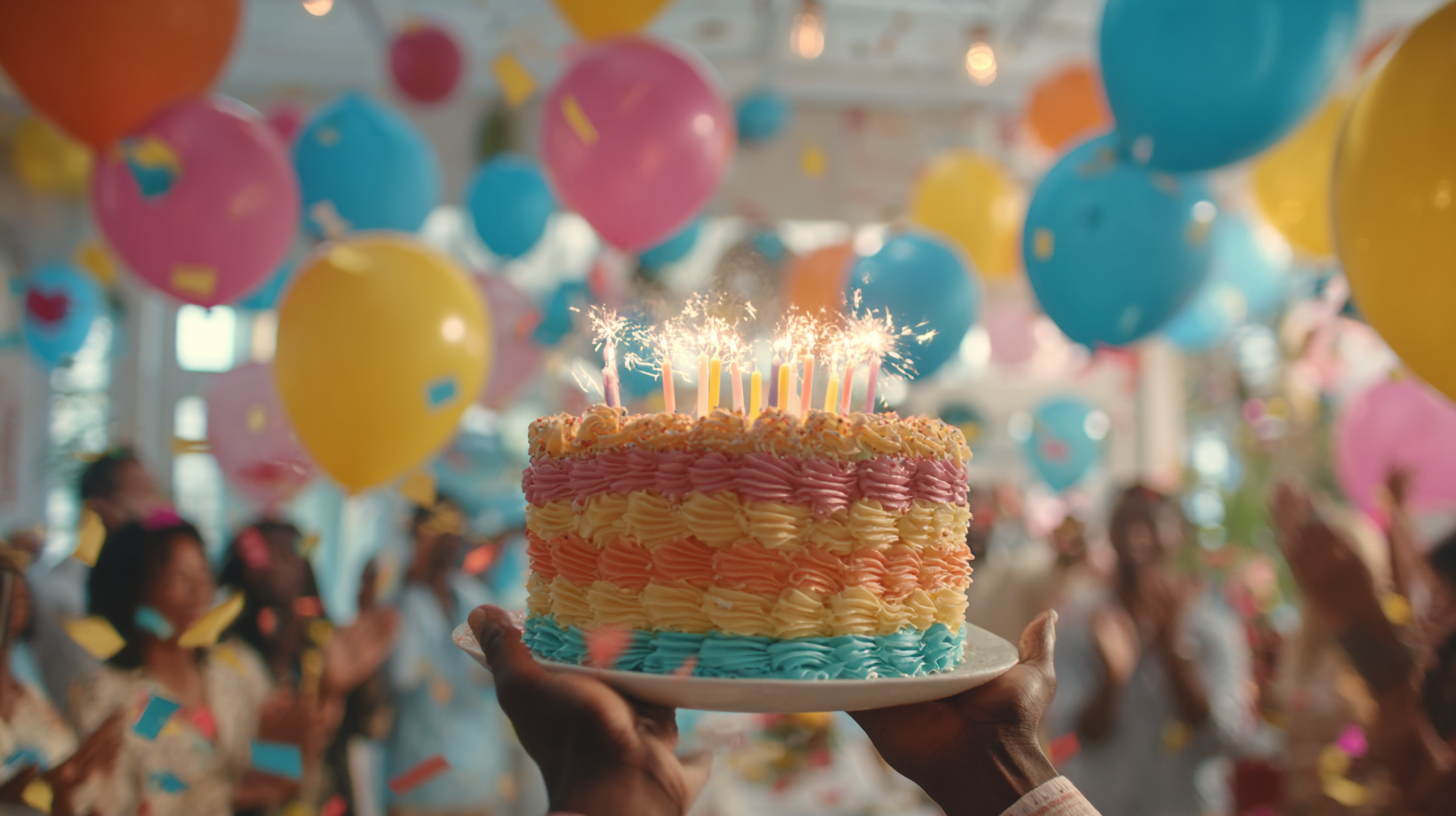
Trick candles (re-lighting ones) can be fun, but know your audience. For a prankster friend, they are hilarious. For a tired toddler or an impatient teen, they can be frustrating. Sparkler candles create a dramatic, high-energy effect but burn much hotter and faster. Musical candles add another element of sound but require timing consideration so they don’t drown out the singing.
Candle quantity matters. One candle per year becomes impractical past a certain age. It creates a fire hazard and heats up the frosting too much. Number candles solve this elegantly. The “one to grow on” tradition—adding one extra candle for good luck—exists in some families and adds a nice touch.
Arrange them for visual balance. Consider how the birthday person will blow them out. A line across the front is easier to extinguish than candles scattered all over the surface. Position them away from decorations that might melt, like sugar flowers or chocolate shards.
Practical considerations save the day here. Have extras. Candles break easily. Confirm the lighter works before the moment. Light them at the very last moment before walking out to prevent wax pools from forming on the icing. Have a plan for dripping wax if you know the candles will burn for a while (like during a long speech). For more on etiquette surrounding candles, check out Birthday Cake Traditions & Etiquette: The Unwritten Rules Every Host Should Know.
The Grand Reveal
The moment when the cake appears can be theatrical magic if handled well. The darkness, the pause of anticipation, the glow appearing from the staging area—this builds anticipation.
There are different approaches to the reveal. The Classic Approach involves someone carrying the lit cake from the kitchen while guests gather and lights dim. This is the standard for a reason—it works.
The Birthday Person Reveal is different. Sometimes, the guest of honor carries their own cake out, or stands by the table while it is revealed to them. This works well for adults who want to host rather than be “presented to.”
The Lights-Up Reveal involves positioning the cake unlit in the center of the room. Then, the lights dim, and the candles are lit right there with everyone watching. This creates a quiet, communal intimacy. Match the approach to your party style and the birthday person’s preferences.
Coordinate the reveal with the song beginning. Someone needs to start the song. It can be the host, a designated friend, or even the cake carrier. Starting too soon feels rushed. Waiting too long creates awkward silence where people shuffle their feet. The ideal moment is when the cake is in position, the birthday person is facing it, and the guests have had two to three seconds to take it in.
The Birthday Song and Wish: Creating a Meaningful Moment
Leading the Song
“Happy Birthday” is likely one of the most sung songs in the world. Yet, group singing often sounds terrible because no one leads. When no one leads, everyone hesitates at the beginning. The pitch varies wildly. The tempo drags like a funeral march. The ending trails off ambiguously.
Leadership eliminates most of these problems without requiring a professional singer. You just need a “Song Leader.” This doesn’t have to be the host. It should be someone comfortable singing audibly.
The Song Leader needs to start at a reasonable pitch. Most people start too high, and by the time you get to “Happy Birthday dear…” nobody can hit the high note. Start lower than you think you need to. Begin confidently with no hesitation. Maintain a steady, moderate tempo—not too fast, but definitely not the slow drone that happens at many parties. Make eye contact with the birthday person and smile. Conclude cleanly. This isn’t performing; it is facilitating.
There are variations some groups prefer. “And many more” at the end is common. Some families add the person’s name in a final line. Children’s parties often have silly additions about “cha-cha-cha.” Whatever variation your group uses, ensure the key players know it’s coming so the song ends in unison rather than confusion.
The Wish Moment
The moment between the song ending and the blowing out of the candles is often the emotional heart of the ceremony. This pause isn’t dead time. It is a moment of genuine hope, gratitude, or reflection.
Children take this seriously. They squeeze their eyes shut tight. Adults may pretend cynicism, but they often find it meaningful too. Rushing through this denies the birthday person that space.
Handle the moment without making it awkward. The birthday person doesn’t need direction—they know to make a wish and blow. They need space and patience. Two to five seconds of quiet while they compose their wish is appropriate. Make eye contact and smile to show there is no rush. Don’t yell “Make a wish!” immediately—give them a breath.
When they blow and the candles go out, that is the cue for cheers and applause.
Practical considerations apply here too. Young children may need help getting close enough to the cake. You might need to lift them or pull the table closer. Elderly relatives may need multiple breaths to extinguish all flames—be patient and kind. The “one breath or the wish doesn’t come true” tradition adds pressure some people dislike. If the birthday person is shy, keeping the moment brief may be the kindest gift you can give them.
After the Candles: Transition to Celebration
The moment after the candles go out needs handling to maintain momentum. Cheering and celebration should follow immediately. Applause, whistles, and shouts of “Happy Birthday!” fill the silence. The host can initiate this if it doesn’t happen spontaneously. The energy shifts from reverent (during the wish) to celebratory (after the blow).
Transition to cake cutting smoothly. “Let’s get this cake cut!” is a great phrase to signal the next phase. Having the knife and server ready prevents a long pause while someone rummages through drawers.
Traditionally, the birthday person cuts the first slice. Whether they serve it to themselves or to a special guest varies by tradition. Once that first ceremonial slice is cut, hand off the duty to whoever is managing service. This allows the birthday person to mingle and enjoy their moment.
Cover the photo opportunity before cutting. The intact cake with the candles out (but smoke still drifting) is valuable to capture. The birthday person posing with the cake, making the first cut, or serving the first piece—these are all classic photo opportunities. A simple “Let’s get a picture before we cut!” signals a brief pause for the camera.

Coordinating Guests and Helpers
Assigning Key Roles
A smooth birthday cake presentation requires a small team. You can do it alone, but it is harder. Assigning roles ensures nothing slips through the cracks.
- The Cake Carrier: brings the cake out safely.
- The Lighter: operates the lighter and handles any relighting issues.
- The Song Leader: starts the singing confidently.
- The Photographer: captures the official photos and video.
- The Lights Operator: dims and raises the lights at the right cues.
- The Birthday Person Wrangler: ensures the guest of honor is actually in the room and in position.
Roles can overlap. The host often acts as Wrangler and Lights Operator. But knowing who handles what prevents assumptions that lead to failures.
Communicate these assignments without over-orchestrating. You don’t need a clipboard and a whistle. For casual parties, simply asking “Hey, can you help me carry the cake out in five minutes?” handles most roles. For larger events, a brief huddle with your helpers before cake time reviews who does what. Most helpers are happy to have a specific job—it makes them feel useful.
Managing the Guest Crowd
Guests need gentle management to create a coherent moment rather than chaos. Start gathering a few minutes before the cake appears. Verbal cues work best: “Everyone head to the dining room—cake is coming soon!” Physical cues work too—dimming the lights signals deeply to our brains that something is about to happen.
For children’s parties, have kids sit in a designated spot. “Okay everyone, sit on the rug!” creates a defined audience area. For adults, standing in a rough semicircle creates better sightlines than a clustered mob.
We have to address the “phone forest.” Every guest wants to capture the moment for social media. This creates a wall of phones between the birthday person and the singers. It disconnects the room.
Some approaches work to mitigate this. You can designate a photographer and encourage others to be present: “We’ve got Dave taking photos, so everyone else just get ready to sing!” You can ask phone-wielders to hold devices low—chest height rather than face height. You can position the most phone-happy guests at the back of the room. Or, simply accept that phones are part of modern celebration and plan your camera angles to account for them.
Position guests for the optimal experience. The birthday person should face the majority of the guests. The closest positions should go to the most important people—parents, partners, best friends. Reserve a clear sightline for your designated photographer. Have seats ready for elderly relatives so they have good views without having to stand for ten minutes.
Capturing the Birthday Cake Moment: Photography and Video Strategies
Designating and Briefing Your Photographer
You have planned the perfect timing and set the stage, but if no one captures it, the memory fades. Having a designated photographer matters more than assuming “someone” will get the shot. When everyone assumes someone else is handling it, the result is usually zero photos or dozens of blurry, unusable ones. A single designated person who knows their job produces dramatically better results than the chaos of everyone grabbing a phone at once.
Choose someone comfortable with the responsibility. This doesn’t need to be a professional. A friend with a steady hand and a decent smartphone works perfectly. Ideally, choose someone taller who can shoot over heads, or someone agile enough to crouch in front.
Brief them in advance. Do not wait until the birthday cake presentation begins. Pull them aside ten minutes early. Tell them, “I’m bringing the cake out in about five minutes. Can you stand near the buffet and focus on capturing her reaction when she sees the candles?” A thirty-second conversation transforms a random guest into an intentional photographer.
For significant milestone celebrations—like a 50th birthday or a Golden Anniversary—professional photographers are worth the investment. They bring lenses that handle low light beautifully. But for most parties, a thoughtful amateur is all you need. The key isn’t professional equipment; it is intentional capture.
Camera Settings and Positioning
The low-light challenge defines the ceremony photography. The dimmed lights that make candles look magical also make photography difficult. Smartphone cameras struggle in low light, often producing grainy or blurry images because the shutter stays open longer to gather light.
There are solutions. If using a phone, turn on “Night Mode” if available, but be aware it requires holding very still. Brace your elbows against your ribs to stabilize the camera. Accept that some graininess is preferable to the alternative—the camera flash.
The flash decision is critical. Flash provides light, but it destroys the ambiance. It washes out the warm glow of the candles and flattens the depth of the image. Generally, avoid flash during the candle-lit portions. The candlelight is the point. Flash is appropriate for the celebration moment immediately after the candles go out, when the lights come back up.
Positioning creates the best angles. The photographer needs to see both the cake and the birthday person’s face. Standing directly behind the birthday person captures the cake well but misses the emotional reaction. Standing directly opposite captures the face, but the cake often becomes a blurry foreground blobs or the candles block the features.
The best position is roughly 45 degrees to the side. This captures the profile or three-quarter view of the face, the glowing cake, and the guests singing in the background. Establish this position before the song starts. You don’t want the photographer shoving guests aside during the wish.

The Essential Shots to Capture
You don’t need a thousand photos. You need five or six specific ones that tell the story of the presentation.
First, capture the cake itself, intact and lit, before anyone approaches it. This is the “beauty shot” of your hard work.
Second, catch the reveal moment. This is when the birthday person first spots the glowing cake coming toward them. Their expression—surprise, delight, or shy happiness—is often the most genuine capture of the night.
Third, get the group shot during the singing. Frame the birthday person surrounded by loved ones. The light from the candles will illuminate their faces from below, creating that classic warm gathering look.
Fourth is the wish moment. The room is quiet. The birthday person has their eyes closed. Their face is contemplative. This is often the most beautiful portrait.
Fifth is the action shot: the candle blow. Use “burst mode” on your camera for this, as the action happens in a split second.
Finally, capture the celebration after. The moment the lights come up and everyone cheers is full of joy, hugs, and laughter.
Address the video versus photo dilemma. Video captures what photos cannot—the sound of the singing (even if off-key), the flicker of flames, the deep breath before the wish. Even a short ten-second video preserves the atmosphere uniquely. However, trying to switch between photo and video modes often means missing both.
The solution is delegation. Ask one person to take photos and another to record video. Or, shoot video through the singing and the blow, then switch to photos for the cutting and serving.
Managing Guest Phones and Cameras
Multiple guests capturing with their own devices creates both opportunities and challenges. When every guest holds up a phone, it creates a “phone forest”—a wall of screens blocking the view for others and cluttering the official photos. The birthday person ends up looking at lenses rather than faces.
You can reduce interference with a pre-ceremony announcement. Just before the cake comes out, say, “We have a designated photographer for the cake, so feel free to put your phones away and just enjoy the moment—I promise to share the pictures!”
If that feels too controlling, try positioning. Ask the most phone-happy guests to stand at the back or sides. If you have a professional photographer, they will usually take charge of this, politely asking guests to clear the line of sight.
However, there is an opportunity side to this. Guests often capture angles the official photographer misses. A friend standing on a chair might get a great overhead shot. A child might capture a funny low-angle perspective. Ask guests to share their photos afterward. You might find a candid gem that becomes your favorite memory of the birthday cake ceremony.
Lighting for the Cake Moment
Creating Candlelight Ambiance
The magic of cake ceremonies comes largely from lighting. Candle flames are only impressive when they are the dominant light source. In a brightly lit kitchen, candles are just colored wax on fire. In a dim room, they are magic.
The goal is a room dark enough that the candles glow dramatically, but not so pitch-black that faces become invisible silhouettes. Most home spaces achieve this by turning off overhead lights but leaving some ambient light. A lamp in the corner, light spilling from an adjacent hallway, or the natural blue light of dusk coming through a window all work well.
Transition timing maximizes the impact of the presentation. The lights should dim just before or exactly as the cake enters the room. This change in environment signals to the brain that something special is happening. It quiets the crowd naturally. Assign someone to the light switch. They should keep lighting dim through the singing and the candle-blowing. Once the smoke clears and the applause starts, that is the cue to bring the lights back up for cutting.
Photography-Friendly Lighting
A tension exists between atmospheric lighting and photography-friendly lighting. Pure candlelight creates a mood that feels incredible in person but can look muddy in photos. The birthday person’s face might be lit entirely from below, which can create “ghost story” shadows that aren’t flattering.
You can balance this. Some additional ambient light improves photos without destroying the atmosphere. Place a soft lamp behind the photographer. This adds “fill light” to the scene, illuminating faces from the front without overpowering the candles.
If you have dimmers on your overheads, use them. Dimming to 20% is often better for photos than turning them off completely. The camera sensor needs that little bit of extra data to focus sharply. Test this before the party. Light a match in the spot where the cake will be and snap a test photo. If it’s too grainy, add a distant lamp.
Enhancing the Glow
Candle selection affects the visual impact. More candles create more light and a more impressive effect. Standard thin birthday candles provide modest flames. If you want a “wow” factor, use larger candles or more of them.
Surface and backdrop choices enhance the candlelight. Reflective surfaces near the cake multiply the glow. A mirrored tray or a metallic cake stand bounces light upward. A white or light-colored tablecloth reflects light back onto the birthday person’s face, acting like a photographer’s reflector.
Dark backdrops make the candle glow more dramatic by contrast. If the wall behind the cake is dark blue or the room beyond is unlit, the golden halo around the cake pops vividly.
Additional light sources can complement the birthday cake ceremony without competing with it. String lights or fairy lights in the background add depth and warmth. They create “bokeh”—those beautiful blurry balls of light—in the background of your photos. Just ensure they aren’t brighter than the candles themselves.
Navigating Challenges During the Birthday Cake Ceremony
When Things Don’t Go as Planned
Despite your best planning, things will go wrong. How you handle these problems determines whether they become disasters or barely-noticed hiccups.
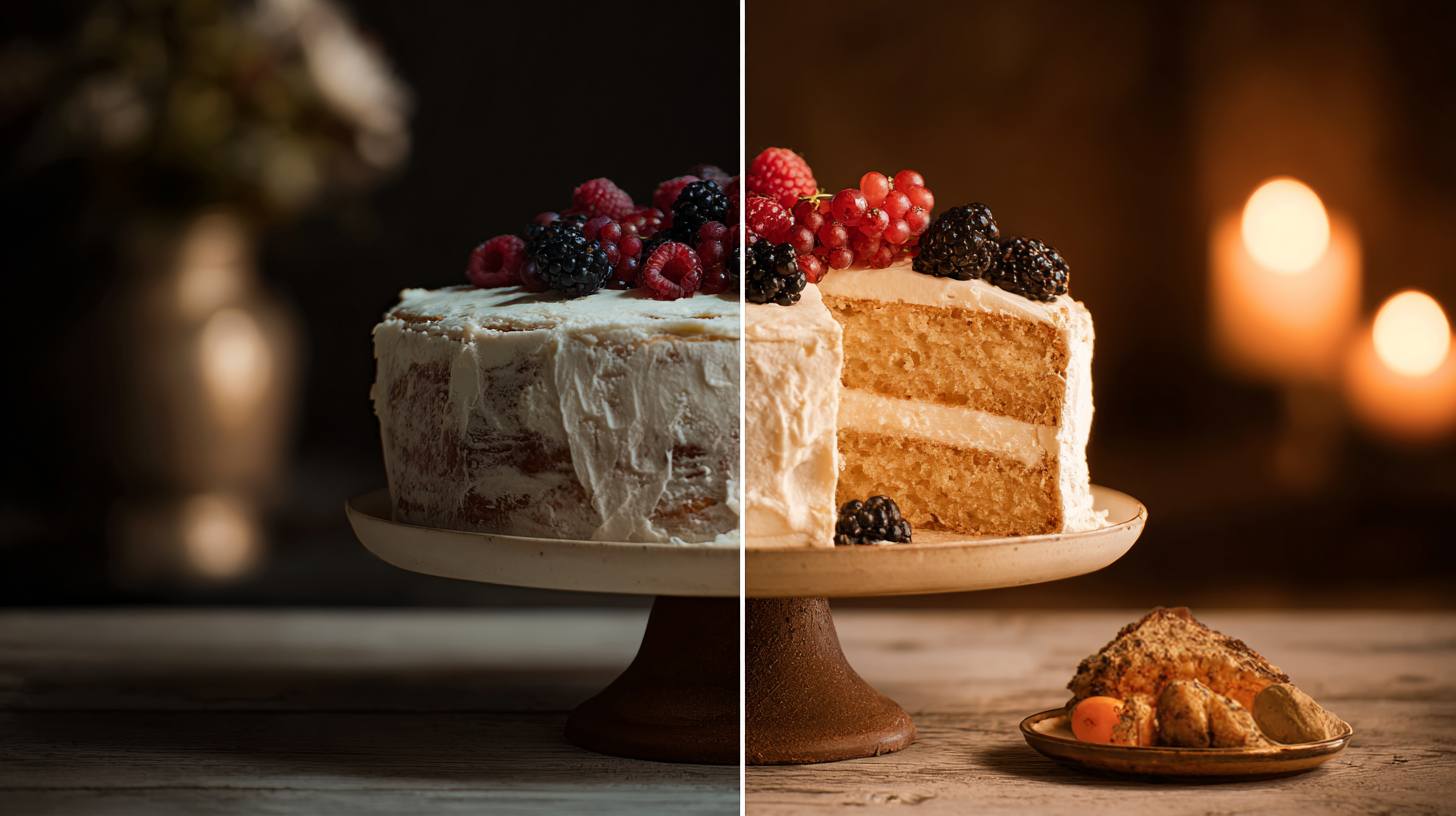
Candle problems are common. Candles that won’t light usually need wind-blocking and patience. Always have a backup lighter. If candles won’t stay lit, it indicates too much air movement. Close the window or turn off the ceiling fan. If you are outdoors and the wind is relentless, accept that the candles might have to be unlit and symbolic.
Singing problems happen. A ragged start is classic. If the song leader falters, simply jump in loudly to re-establish the pitch and tempo. If no one starts singing, you start. Don’t wait for a guest to take initiative. Tone-deaf singing is not a failure; it is enthusiastic love. Embrace the noise. If the song trails off uncertainly at the end, hit the final note with confidence to signal the finish.
Timing and coordination problems occur when guests are still arriving or the birthday person disappears. If guests are late, proceed without them rather than letting the energy of the party die while you wait. If the birthday person isn’t in position when the cake appears, stop. Pause the song. Wait for them to arrive. The cake can wait; the birthday cake presentation requires the guest of honor.
Shy or Reluctant Birthday People
Not every birthday person enjoys being the center of attention. Some actively dread the cake moment. For them, thirty people staring and singing feels like a nightmare, not a celebration.
Recognize and respect this discomfort. Signs include expressed reluctance beforehand (“Please don’t make a big deal”), visible discomfort during past parties, or requests to skip the song. These signals deserve respect. The birthday cake ceremony exists to honor the person, and forcing them through a ritual they hate actually dishonors them.
You can modify the ceremony to reduce pressure. Instead of a room-wide presentation, do the cake in a smaller circle with just immediate family. Abbreviate the singing—do a quick “Happy Birthday” without the extra verses. Position the birthday person beside the cake rather than trapping them behind a table.
Discuss the plan beforehand. Ask them, “How do you want to handle the cake? Do you want the song, or just the candles?” Giving them control changes the dynamic. They might choose a quiet moment over a public spectacle, and that is a valid choice.
Young Children and the Cake Ceremony
Young birthday people create specific challenges. Expectations must be age-appropriate. Babies do not understand the ceremony. Usually, a parent holds them and helps blow out the candle “for” them.
Toddlers may be frightened by the fire or overwhelmed by the noise. Keep ceremonies for one- and two-year-olds very brief. Be prepared to blow the candle out yourself if they freeze up or try to grab the flame.
Preschoolers generally understand the concept but have limited patience. They might blow the candles out before the song ends. They might try to stick a finger in the frosting immediately. This is normal.
School-age children typically enjoy the spotlight but may have strong opinions on how it should go.
Specific challenges like overstimulation can lead to meltdowns. If a child is already cranky, do the cake immediately. Sugar and attention can actually help reset their mood, or at least get the necessary photo before they need a nap.
For first birthdays, the “smash cake” tradition is popular. This is a small, individual cake given to the baby to touch, taste, and destroy while the main cake serves the guests. Position this for photos—put the baby in a high chair or on a washable mat. Expect a mess; that is the point. Be aware that not every baby enjoys the texture of frosting—some will cry. Have a wet cloth ready for immediate cleanup. For more on cake types suitable for this, see Birthday Cakes and Cupcakes: The Complete Celebration Guide.
Outdoor and Venue-Specific Challenges
Outdoor ceremonies face nature’s obstacles. Wind is the enemy of candles. Standard wicks will not stay lit in a breeze. Shield the cake with your body or a group of guests. Use “sparkler candles” which burn hotter and resist wind better. Or, light the candles indoors, show the birthday person, blow them out, and then carry the cake outside for serving.
Insects are attracted to both the light of the candles and the sugar of the frosting. Keep the cake covered until the very last second. Time the ceremony efficiently so the cake isn’t sitting out exposed for twenty minutes.
Sun angle affects visibility. If the sun is directly behind the cake, the birthday person will be squinting and photos will be silhouetted. Position the setup so the sun is to the side or behind the photographer.
Venue challenges require communication. Restaurant lighting may not be adjustable. Ask the staff in advance if they can dim the lights in your section. If not, accept the brighter environment. Space constraints in a crowded bar might mean you can’t have a dedicated cake table. You might have to hold the cake in your hands. Noise in busy venues makes singing difficult—gather everyone very close and sing loudly to create a bubble of sound.
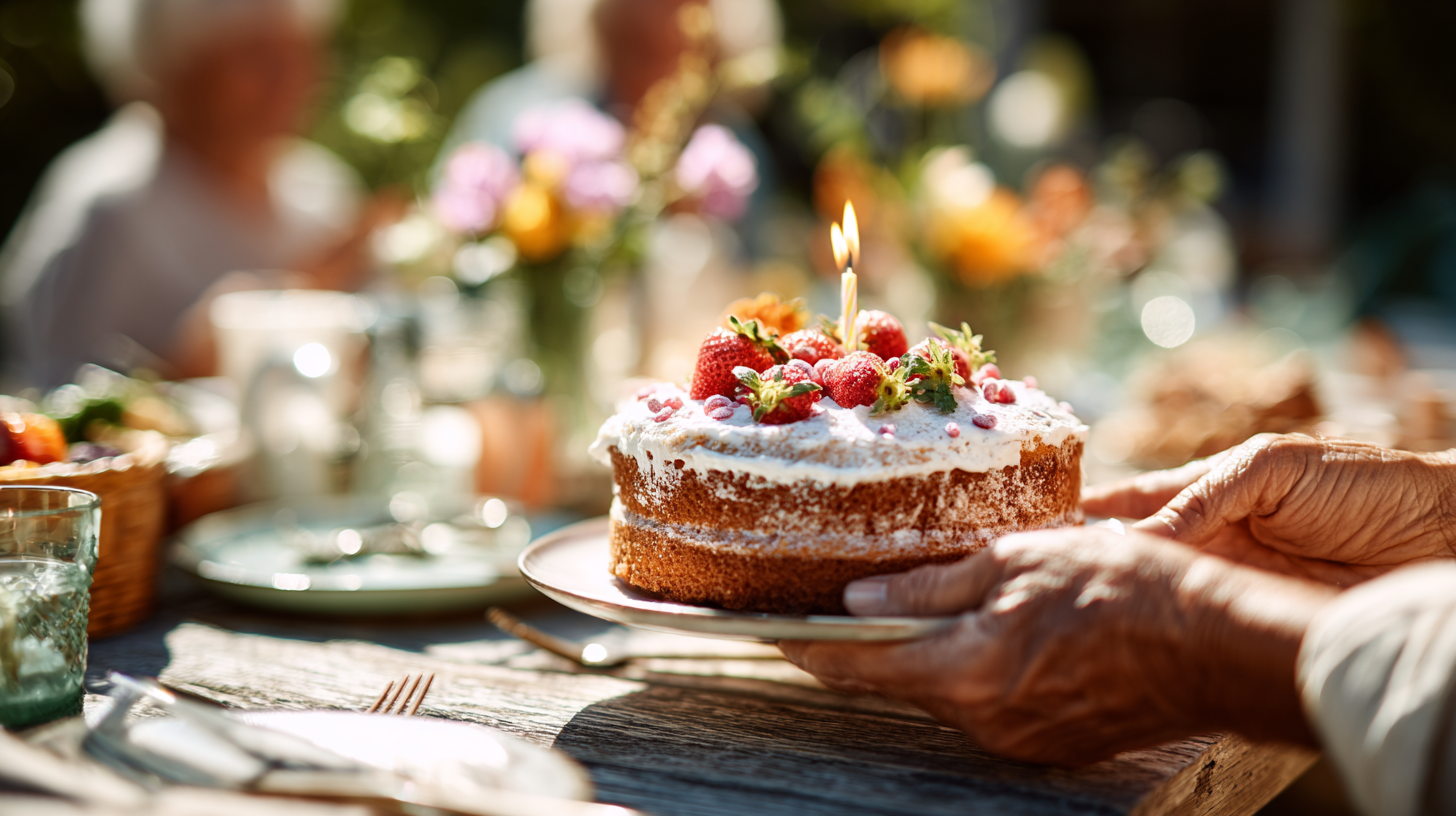
Special Touches That Make Birthday Cake Ceremonies Unforgettable
Personalization That Creates Meaning
The difference between a generic ritual and a memorable one often lies in small personalizations.
Spoken personalization adds depth. The birthday song can include the person’s full name or a special family nickname. A brief toast before the song—”To Sarah, who has had an incredible year”—adds emotional weight.
Physical personalization makes the birthday cake presentation feel curated. The cake should reflect their preferences, not just generic “birthday.” If they love blue, get blue candles. If they are obsessed with a specific movie, use a topper from that film. Display photos of the birthday person near the cake table—a picture from each year of their life is a classic touch that gives guests something to talk about while gathering.
Involve meaningful people. You need to determine who carries the cake, lights the candles and who leads the song? Assign these roles to people who matter. For a child, having a beloved grandparent carry the cake is special. For a milestone, having a best friend give the toast creates a connection.
Musical and Atmospheric Enhancements
Musical variations elevate the moment. “Happy Birthday” is standard, but you can supplement it. If the family has a cultural background with a different traditional song, sing that one too. Play the birthday person’s favorite upbeat song on a speaker immediately as the candles go out to kickstart the party energy.
Atmospheric elements create drama. For major milestones, dry ice (handled safely) or fog effects as the cake enters create a theatrical reveal. Sparklers held by guests (outdoors only!) create a tunnel of light for the cake to pass through. Confetti cannons popped exactly when the candles go out add a burst of celebratory chaos. These aren’t for every quiet family dinner, but for a 21st or 40th birthday, they create impact.
Documentation Beyond Photos
Video captures what photos cannot. The sound of a grandmother’s voice singing, the laughter of a child, the cheer of friends—audio is a powerful memory trigger. Even a shaky phone video becomes precious years later because it preserves the voices of people we love.
Written documentation captures the meaning that visual records miss. A guest book specifically for the birthday allows people to write down their wishes. For children, keep a simple journal noting their reaction to the cake each year and what they wished for (if they tell you). These written records become treasures as children grow.
Creating Birthday Cake Moments Worth Remembering
We have covered a lot of ground, from the precise timing of the reveal to the lighting tricks that make your photos shine. You now have the knowledge to orchestrate a birthday cake ceremony that feels magical rather than messy.
But remember, orchestration doesn’t mean rigid control. The goal isn’t to script every second or bark orders at your guests. The goal is to create the conditions for a beautiful moment to happen naturally. A host who has thought through the timing, positioned the cake for impact, and briefed a photographer can relax when the moment comes.
Imperfect moments can still be wonderful. The ceremony where the candles wouldn’t stay lit, the singing was hilariously off-key, or the toddler grabbed a handful of frosting before the song ended—these often become the stories we tell and laugh about for years. Perfection is boring; connection is what matters.
Prioritize your own presence. If you are the host, it is easy to get stuck in “management mode.” Try to step out of that. Once the song starts, stop directing. Sing. Look at the birthday person. Feel the joy in the room. The host who experiences the moment through their own eyes rather than a camera screen is doing it right.
Creating these moments is a gift. It tells the birthday person, “You are important enough for us to stop, gather, and celebrate just you.” That feeling is sweeter than any frosting.
Frequently Asked Questions About Birthday Cake Ceremonies
When is the best time to bring out the birthday cake?
The best time depends on the party energy, not just the clock. For children’s parties, aim for sixty to ninety minutes in, before kids get over-tired. For adult dinner parties, serve it after the meal as a distinct dessert course. Always read the room: ensure guests are gathered and attentive, and the birthday person is visible and happy. If guests are still arriving or the energy is scattered, wait until things settle.
How do I get good photos in candlelight?
Candlelight is tricky for cameras. To get better shots, use your phone’s “Night Mode” if available and hold the camera very steady against your body to prevent blur. Position the cake near some ambient light, like a dim lamp or hallway light, so the camera sensor has something to work with. Accept that a little graininess is better than using a harsh flash, which kills the mood. Assign one person to focus just on photos so you don’t miss the moment fumbling for your phone.
What should I do if the birthday person hates being the center of attention?
Respect their boundaries. If they dislike the “Happy Birthday” spectacle, modify the ceremony. You can do a quiet cake presentation with just immediate family in the kitchen while others mingle. Of course you can skip the singing entirely and just do the candles. You can position them beside the cake rather than trapping them behind a table. Ask them beforehand what they prefer—giving them control usually reduces the anxiety.
How do I manage all the guest phones during the cake moment?
It is normal for guests to want their own photos, but a wall of phones can ruin the moment. Make a brief, friendly announcement just before the cake comes out: “We have a designated photographer capturing this, so feel free to put your phones away and just enjoy the singing—I promise to share the photos!” If that feels too strict, simply ask guests to keep phones at chest level so they don’t block the view for others.
What do I do if the candles won’t stay lit?
This is usually an airflow issue. If you are indoors, check for ceiling fans or open windows and close them. If you are outdoors, wind is a constant challenge. Try shielding the flame with your body or a group of guests. Use “sparkler candles” or “wind-proof” wicks if you know it will be breezy. If they simply won’t stay lit despite your efforts, don’t stress—proceed with the song and the wish using unlit candles. The sentiment matters more than the fire.
How can I make the cake ceremony more special for a milestone birthday?
For milestones like a 21st or 50th, elevate the ceremony with formal elements. Have a close friend or family member give a short toast immediately before the cake appears. Use the birthday person’s favorite song for the entrance instead of just silence. Add theatrical touches like sparklers (if venue allows) or a confetti pop right when the candles go out. Ensure you have a dedicated person capturing video to preserve the voices and speeches of the night.






Leave a comment
You must be logged in to post a comment.